

Looking to transform your space with a natural, matte finish? limewash paint interior walls has become a top trend for earthy, sophisticated interiors—and it’s as practical as it is beautiful. But applying limewash on drywall takes more planning than standard paint, and there are some real pitfalls. Here’s a field-tested guide for getting a luminous look that lasts.
Key Takeaways
- Limewash paint is surging in popularity for interiors, especially in residential projects that embrace tactile, sustainable finishes.
- Applying limewash over painted drywall demands specialized prep, the right materials, and patience—it is not a quick DIY job.
- Costs and results vary significantly between DIY and professional limewashing, with labor and prep usually representing the biggest hurdles.
- What Is Limewash Paint for Interior Walls?
- Step-by-Step Guide: How to Apply Limewash Paint on Interior Walls
- Advanced Analysis & Common Pitfalls
- Conclusion
- FAQs
What Is Limewash Paint for Interior Walls?
Limewash paint is a traditional mineral-based coating made by slaking lime with water, producing a paint that soaks into surfaces and forms an ultra-matte, cloud-like finish. Unlike acrylic paints that form a film, limewash chemically bonds with the substrate. Interior designers love its depth, texture, and subtle color movement, making rooms feel both calming and high-end.
This finish is also valued for being naturally antibacterial, VOC-free, humidity-regulating, and suitable for biophilic design. Residential interiors are the largest and fastest-growing application, accounting for over 56% of the global limewash paints market in 2024. Europe leads the trend, but North American adoption is accelerating thanks to design media and online inspiration.
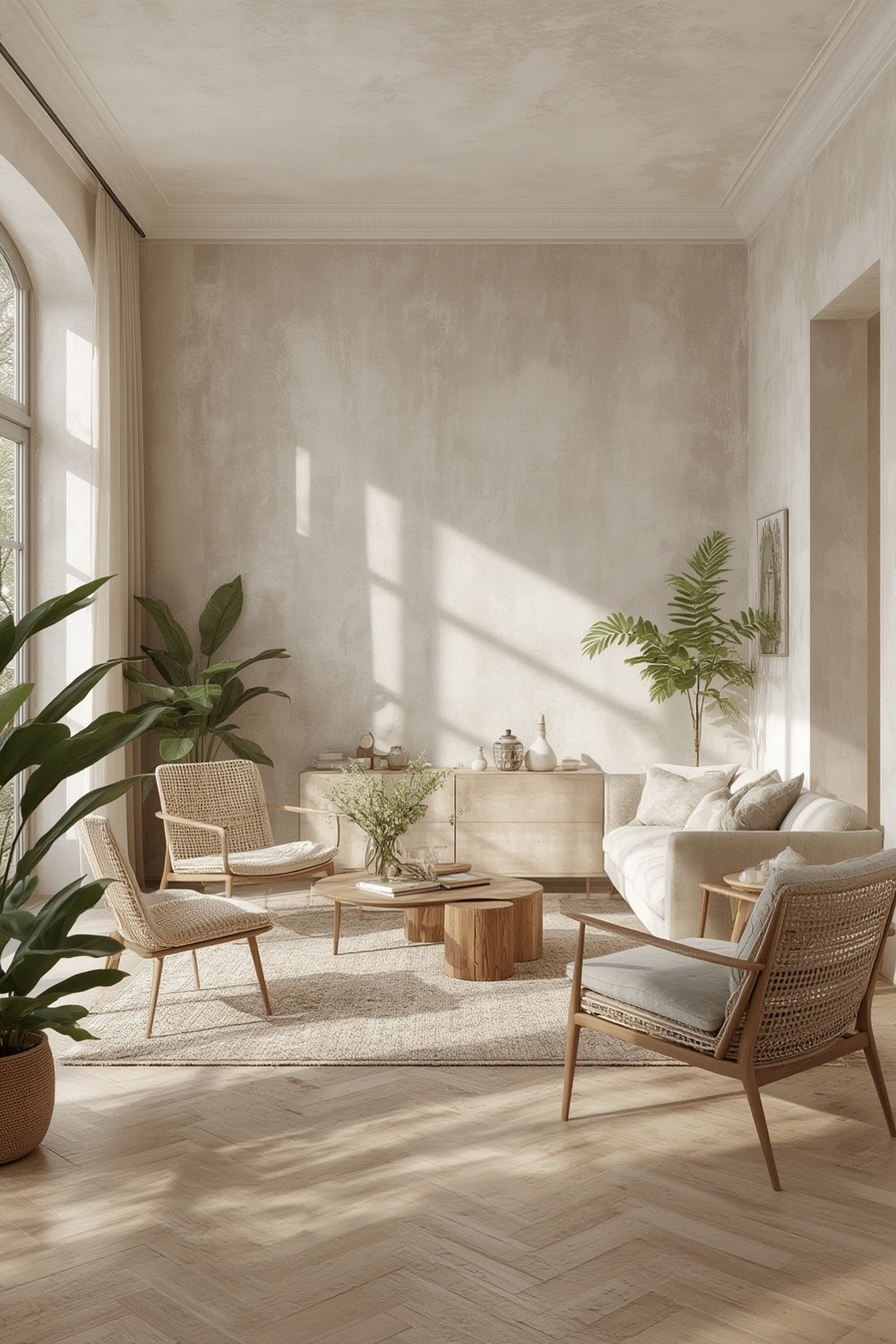
Modern formulations offer a spectrum of colors beyond classic whites and grays—yet true limewash still involves a multi-step process and specific wall prep. Done right, you’ll get a one-of-a-kind surface that softens harsh light and brings an organic vibe indoors.
Interested in other creative interior upgrades? Explore pet friendly furniture and peel and stick backsplash tiles for more ways to add texture and function to your rooms.
Step-by-Step Guide: How to Apply Limewash Paint on Interior Walls
Applying limewash to interior drywall (especially if already painted) involves careful surface preparation, the right materials list, and a bit of patience. Here’s the exact procedure used by professionals in 2024:
Materials & Tools List
- Limewash paint (match amount to surface area, typically 1L covers 100-150 sq ft per coat)
- Bonding primer or mineral primer (for painted drywall)
- Painters tape and drop cloths
- Medium or fine sanding block
- Lint-free cloths and bucket for cleaning
- Large natural masonry or limewash brush (avoid synthetic bristles)
- Protective gloves and eye protection
Step 1: Clear & Clean Walls
Remove any furniture, curtains, outlet covers, and artwork. Dust thoroughly, then wipe down the walls with a damp cloth and let them dry. Any grease or residue will block absorption.
Step 2: Sand and Patch
Lightly sand to remove sheen from existing paint, improving adhesion. Patch any dings or nail holes, then sand smooth so texture is uniform.
Step 3: Prime (Critical for Painted Drywall)
Limewash is highly absorbent. Painted drywall, especially if latex painted, will not let lime soak in evenly without a mineral or bonding primer. Apply according to manufacturer instructions and allow to dry completely.
Step 4: Mix & Test the Limewash
Limewash needs thorough stirring. Do a test swatch on a hidden area or test board. Add water if needed for flow but watch for over-thinning. Color may appear lighter while wet.
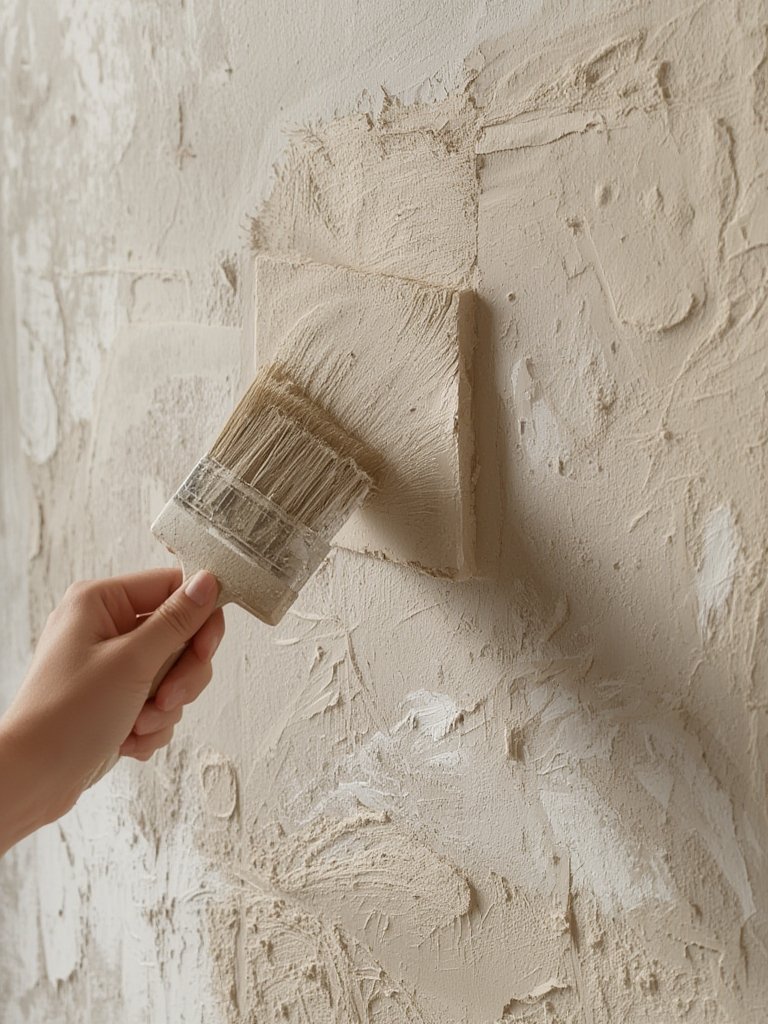
Step 5: Brush On the First Coat
With a damp brush, apply limewash in irregular, crisscross strokes. Avoid traditional up-and-down painting; overlapping patterns give a more natural look. Work in sections from top to bottom.
Step 6: Let It Dry, Then Add More Coats
Wait at least 8 hours (but preferably 24) between coats. Two or three coats yield best results. The appearance will even out as it cures. Avoid touching up small spots after it dries, as limewash does not touch up well.
Step 7: Finishing Touches
Remove tape carefully. Once fully cured, you can gently burnish for more depth if desired. Avoid washing limewashed walls with strong chemicals, as this may damage the mineral surface.
For other fast DIY wall upgrades, check out peel and stick tile backsplash for the kitchen or bath.
Advanced Analysis & Common Pitfalls
Applying limewash, especially over painted drywall, isn’t always smooth sailing. Here’s where DIYers and even some pros go wrong, and what you should realistically expect:
- Poor adhesion on standard paint: Without a special mineral or bonding primer, limewash may flake or streak. Don’t skip priming, and never apply directly over oil or glossy paint.
- Uneven absorption and blotchiness: Filler patches, different paint layers, and porous joins can create visible spots. Testing and planned blending are key.
- Tough touch-ups: Limewash blends poorly once a section is dry, making repairs or partial re-coats difficult compared to acrylic paint.
- High initial cost (materials and labor): Compared to regular latex paint, limewash products and primers are more expensive, and pro labor can double total costs for a room.
- Humidity sensitivity: Limewash will re-absorb humidity and can ghost or fade in unventilated rooms or kitchens.
- Specialized application skills needed: Rushing, overworking, or using the wrong brush leads to muddy results or streaks. Practice is critical.
| Aspect | Limewash Paint | Roman Clay |
|---|---|---|
| Composition | Mineral (lime, water, pigment) | Limestone, clay, acrylic binder |
| Visual Finish | Matte, cloudy, organic movement | Smooth, velvety, stucco-like surface |
| Durability | Moderate (can be sensitive to scrubbing, touch-ups) | More durable and wipeable |
| Application | Brush with crisscross strokes, multi-coat | Trowel or spatula, single thick coat or burnished layers |
| Best Use | Textured, historical, organic-inspired interiors | Modern, seamless, polished finishes |
For power-saving home upgrades with similar attention to detail, see our AI smart thermostat 2025 energy guide.
Market Snapshot: The global limewash paints market reached $1.12 billion in 2024 and is projected to double by 2033. Residential interiors dominate demand, propelled by DIY interest, especially in Europe and the US. Still, initial material and skill requirements mean pros are often called in for flawless results, especially on imperfect walls (source).
Conclusion
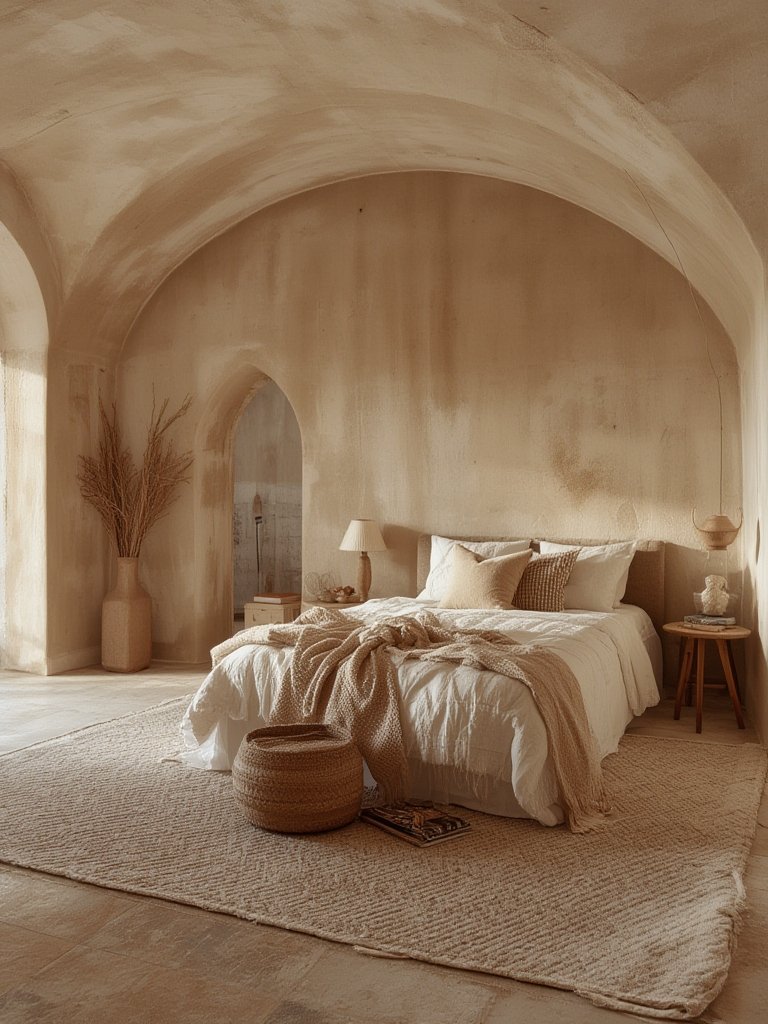
Limewash paint interior walls delivers serene, timeless drama—without the shine or plastics of conventional wall paints. But unlike a basic repaint, limewashing requires patience, surface prep, quality limewash, and some test runs to get it right. Understand its quirks, plan for a few learning curves, and you’ll enjoy a surface that ages gracefully and stays uniquely yours. Ready to try the limewash paint interior walls technique in your own home? Gather your materials, test-prime, and make your space your own. If you want more expert DIY insights for every room, browse our home upgrades archive and discover projects that match your style.
FAQs
Can I apply limewash paint directly over latex or acrylic wall paint?
No. You’ll need a mineral or bonding primer so the limewash can adhere and absorb properly. Skipping this step almost always leads to streaks and poor durability.
How many coats of limewash paint should I apply to interior drywall?
For best depth and coverage, two to three coats are recommended, with full drying between coats. More coats yield more visual depth.
Is limewash safe for households with kids and pets?
Yes. Limewash is non-toxic, free of VOCs and solvents, and won’t off-gas after curing. It’s a safe option for bedrooms, living areas, and nurseries.
How does the cost of limewash paint compare to regular wall paint?
Limewash is typically more expensive per gallon, and you’ll need specialty primers for painted drywall. Labor costs are also higher, both for DIY and professional jobs, due to multi-step application.
What’s the difference between limewash and Roman clay?
Limewash is a mineral-based paint with a delicate, cloudy look, while Roman clay uses limestone and clay for a smoother, polished, and more wipeable finish. Application tools and durability differ, as detailed above.