

Japanese soaking tub small bathroom installations deliver spa-level relaxation in tight spaces, but real-world experience shows they aren’t as simple as they look. If you’re ready to rethink your bath experience without a remodeling disaster, read on for a hands-on guide that keeps you realistic—and safe.
Key Takeaways
- Installing a Japanese soaking tub small bathroom requires careful space planning and floor reinforcement—ignoring the tub’s weight can cause serious structural problems.
- Precise drain alignment, waterproofing, and proper ventilation are critical for a leak-free, mold-resistant installation—this is not a basic DIY job.
- Japanese tubs offer immersive soaking in less floor space than Western tubs, but their depth and weight introduce unique safety and accessibility issues.
- Understanding Japanese Soaking Tubs for Small Bathrooms
- Step-by-Step: How to Install a Japanese Soaking Tub in a Small Bathroom
- Advanced Analysis & Common Pitfalls
- Conclusion
- Frequently Asked Questions
Understanding Japanese Soaking Tubs for Small Bathrooms
Japanese soaking tubs—ofuro—are designed to provide a full-body soak, immersing you to the shoulders while seated upright. Unlike standard Western tubs, they pack serious depth (usually over 24 inches) into a compact footprint, with many models measuring only 48 inches long by 32 inches wide. This makes them appealing for small bathrooms where space is precious but transformative experiences matter.
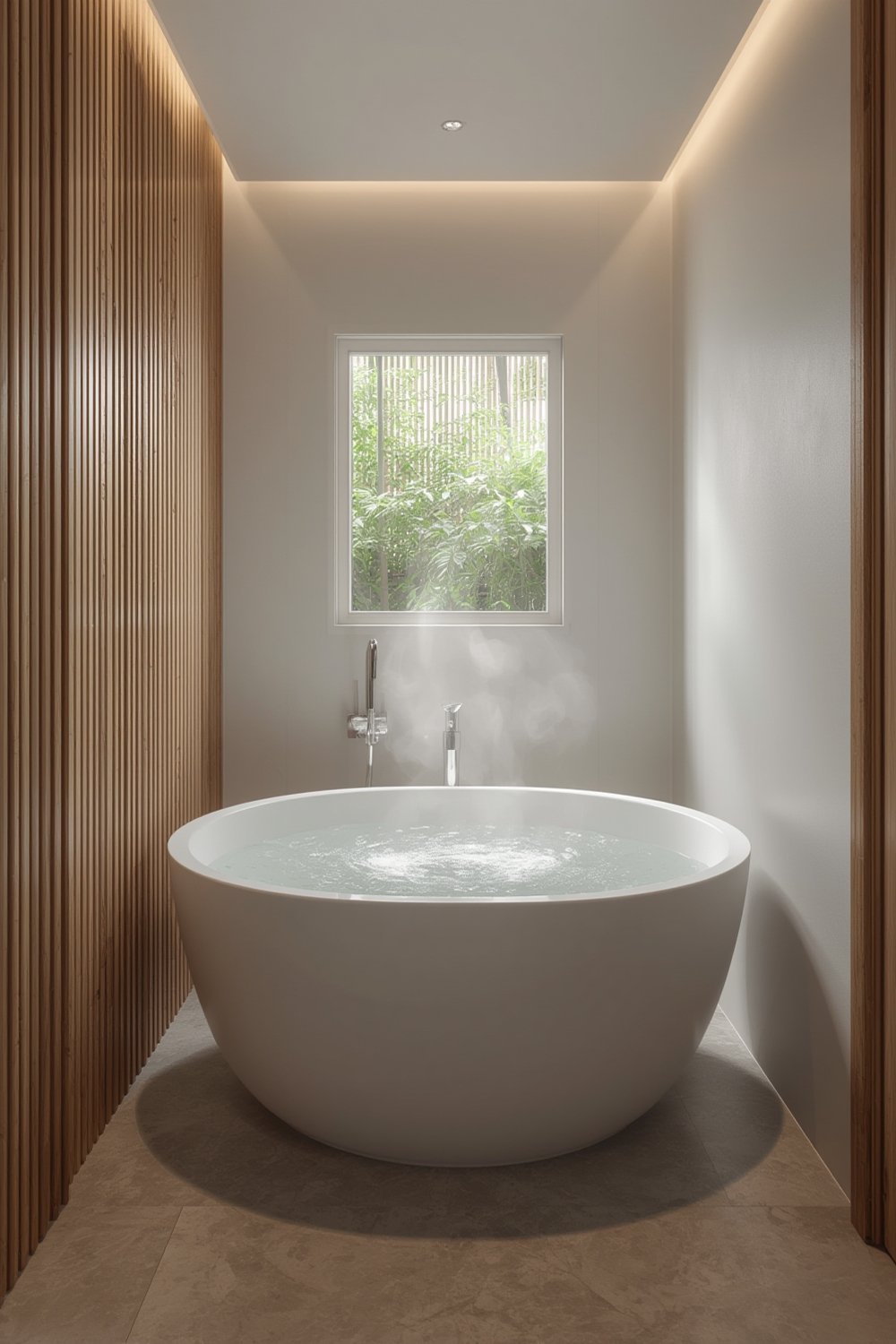
The main attraction: you gain an authentic, spa-like bath without the sprawl of a full-size tub. But, the tradeoff is a much heavier fixture, special installation demands, and unique safety issues. For those seeking both minimalism and luxury, understanding these tradeoffs is crucial before you buy.
Compared to standard Western bathtubs (which run 60+ inches in length but are shallow), Japanese soaking tubs provide more immersion with less space. Still, prepare for extra work: you’ll need a reinforced floor, optimal drain placement, and excellent ventilation. Source
For more innovative small-space ideas, see our guide to pet-friendly living and efficient home upgrades.
Step-by-Step: How to Install a Japanese Soaking Tub in a Small Bathroom
Installing a Japanese soaking tub in a small bathroom is achievable, but only with planning, precision, and respect for the tub’s weight. Use these detailed steps based on consistent user reviews and pro installer insights:
- Precise Planning and Measurement: Measure your bathroom accurately (each wall, alcove, and obstacles). Japanese soaking tubs require at least 48 inches in length for even compact models, plus a minimum 4-inch clearance between the tub’s edge and wall studs for correct installation. Mark out the area using painter’s tape or a physical cutout.
- Check Floor Structure: Determine if your subfloor and joists can support 1,000 lbs or more (filled tub plus occupant). Older homes usually need extra bracing—consult a contractor or structural engineer if unsure. Never skip this step. Source
- Plumbing Adjustments: Japanese soaking tubs generally need a 2-inch drain (3-inch for larger or fast-draining models). Ensure the drain aligns with your existing waste pipe, or plan plumbing modifications. Floor- or wall-mounted tub fillers may be needed, especially for compact bathrooms. Don’t forget to assess your hot water heater’s capacity—deep soaking uses more hot water than standard tubs.
- Site Preparation and Demolition: Remove old fixtures, cover surfaces to protect from debris, and ventilate the space well. If possible, place a temporary floor protector to avoid damage while moving the tub.
- Install Floor Reinforcement: Using guidance from your pro or engineer, add blocking, bracing, or subfloor upgrades as required. Double-check everything before moving the tub into position.
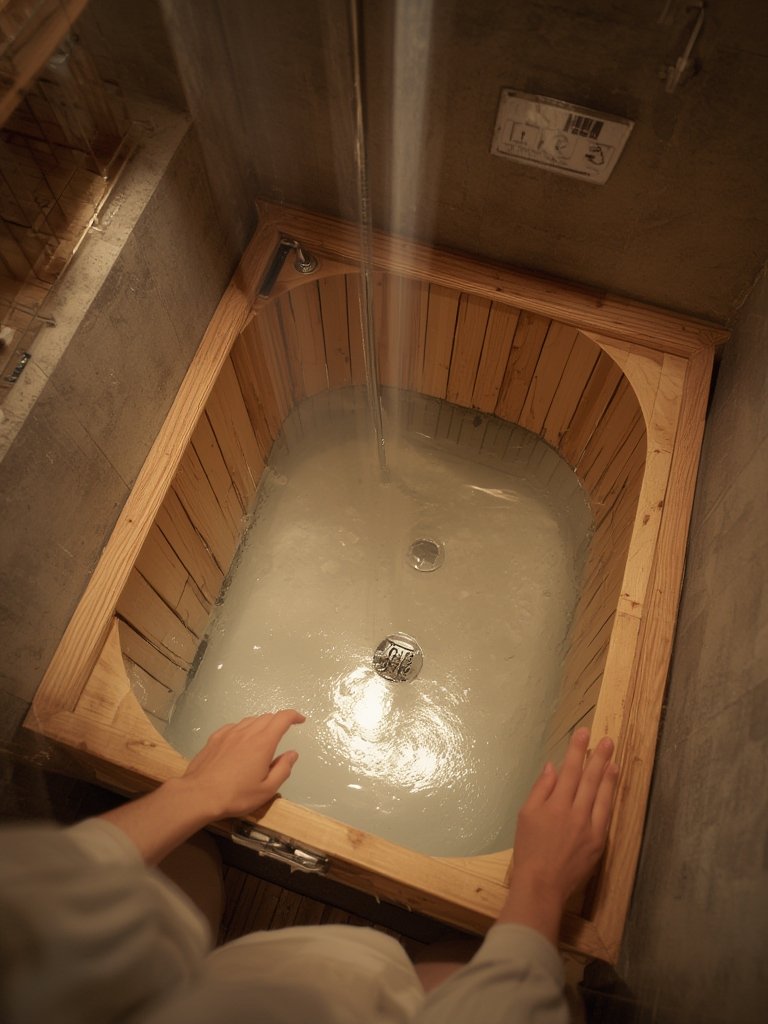
- Set the Tub & Install Plumbing: With 2+ helpers or professional movers, maneuver the tub into place (corners and along walls maximize room in small spaces). Connect plumbing, test for leaks, then make final leveling adjustments. Waterproof all joints and seal around the base to prevent future leaks or mold growth.
- Finish & Test: Install required trim and access panels, ensure your exhaust fan meets or exceeds minimum room ventilation requirements, and do a final check with a full water load. Watch for leaks or drainage issues before regular use.
Explore more clever small bathroom solutions in our proven guide to peel-and-stick backsplash tiles.
Advanced Analysis & Common Pitfalls
It’s easy to underestimate the complexity of fitting a Japanese soaking tub in a small bathroom. These issues appear again and again in renovation forums and pro feedback:
| Common Pitfall | Description | How to Avoid |
|---|---|---|
| Underestimating Tub Weight | Filled tubs often weigh 1,000+ lbs, risking subfloor collapse or expensive repairs if floors aren’t upgraded. | Always have a pro assess/upgrade floor joists and subfloor before installation. Source |
| Drain Alignment Errors | Poorly aligned drains cause water puddling, slow drainage, or leaks behind walls. | Pre-plan exact drain measurements. Dry fit before finalizing placement. Use professional plumber as needed. |
| Ventilation Oversight | Bathrooms get steamy—a small Japanese soaking tub can turn a tight bathroom into a mold trap. | Choose a high-capacity, quiet fan. Consider wall-mount if ceiling mounting is not feasible. Source |
| DIY Shortcuts | Improper installation, missed warranty steps, or ignoring manufacturer specs can lead to leaks, performance loss, or voided support. | Follow every installation instruction, keep documentation/photos, and have a pro double-check final connections. |
| Accessibility Gaps | The depth makes entry/exit harder—especially for elders or anyone with limited mobility—plus less open floor means less freedom to move. | Install a sturdy bath stool or step, mount grab bars, and leave maximum clearance around the tub. Check out advanced home tech in our AI thermostat guide for safe, smart upgrade ideas. |
While compact Japanese tubs do help you reclaim square footage, they typically require more depth than Western models—the payback is a private, full-body soak. However, market trends for 2024 show that sizing, weight, and tricky plumbing continue as leading complaints, especially when homeowners try to cut corners or skip professional help. For insight on performance appliances, see our space heater review for safe heating in compact bathrooms.
Persistent user complaints and unbiased data show most headaches are fixable at the planning stage—but only if you’re brutally honest about your bathroom’s structural and spatial limits.
Conclusion
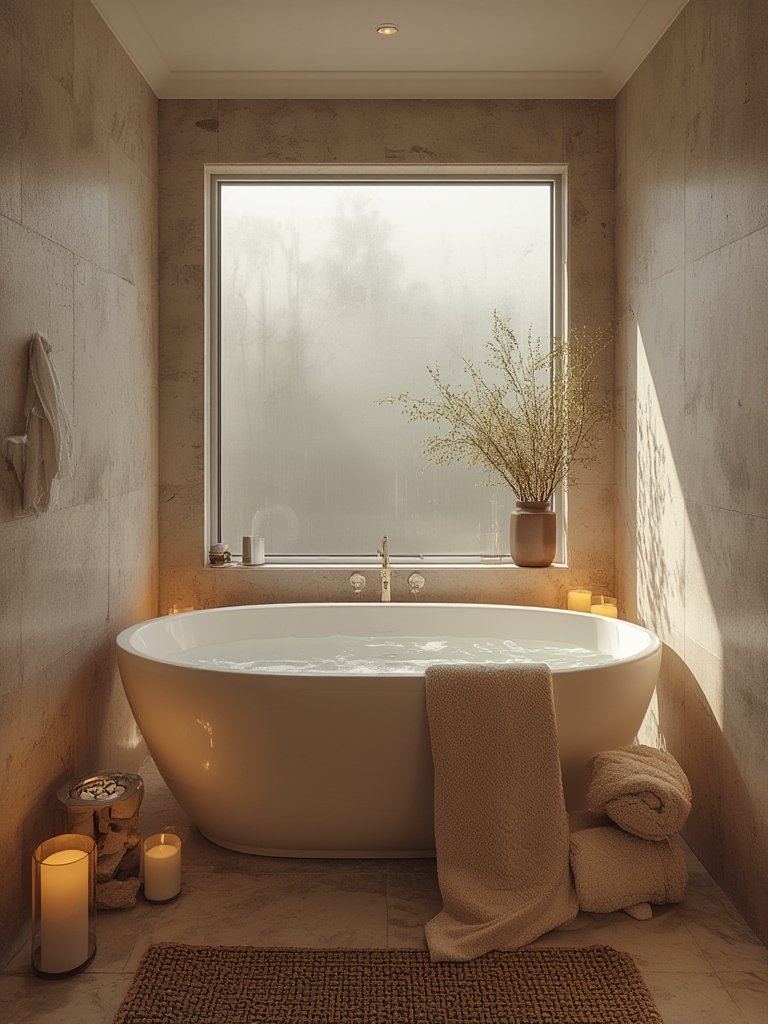
A Japanese soaking tub small bathroom installation can transform even the tiniest home spa setup—if you’re realistic about flooring, drainage, space, and ventilation. There’s no shortcut: these tubs demand more planning than a standard bath replacement. If you want luxury and comfort without risking structural damage or mold issues, invest in prep, not just the tub. Ready for more ideas? Check out our picks for smart security upgrades for 2026 to round out your next-level home.
For expert guidance or a certified installer, don’t hesitate—plan your Japanese soaking tub small bathroom upgrade the right way to avoid costly headaches. Start today!
Frequently Asked Questions
Can I install a Japanese soaking tub in any small bathroom?
Most small bathrooms can fit a compact Japanese soaking tub, but you’ll need at least 48 inches of length, a minimum 4-inch clearance to walls, and a floor built or reinforced for 1,000 pounds or more. Always verify dimensions and consult a pro if in doubt.
Do I need to upgrade my water heater?
Japanese soaking tubs are deep and use more water—especially hot water—than standard tubs. If your water heater is underpowered or small, you may not fill the tub with enough hot water for a comfortable soak. consider upgrading or adding a tankless heater if possible.
What’s the best way to prevent mold in a bathroom with a soaking tub?
Always use a high-quality, appropriately sized ventilation fan. Make sure your bathroom dries quickly after each use. Adding a timer or humidity-sensing switch improves airflow and prevents mold growth.
Is DIY installation a good idea for these tubs?
DIY is possible for advanced renovators with the right tools and experience. However, most experts recommend hiring a pro due to the tub’s weight, plumbing alignment, and high risk of water damage or leaks from incorrect installation.
How do Japanese soaking tubs compare to Western tubs for space savings?
Japanese soaking tubs are much deeper but shorter and narrower than Western tubs, making them ideal for a full-body soak without requiring a long wall. You’ll save on floor space while still enjoying immersion comfort.
—