

### Blog Post:
Best Drywall Repair Kits are essential for homeowners and DIYers looking to fix unsightly holes fast without hiring a pro. Whether dealing with nail pops, dents, or larger patches, choosing the right kit can make the difference between a flawless finish and a patch that stands out for all the wrong reasons.
Key Takeaways
- Quality drywall repair kits usually include spackle, joint compound, mesh patches, and tools—better contents often mean smoother, longer-lasting results.
- Most repair kits target small wall repairs, with user trends shifting to easy DIY solutions due to increased home renovation and e-commerce options.
- Efficiency, material safety, and proper technique separate great repairs from average patches—innovative tools and greener materials are growing trends for 2024.
- The Core Concept: How Drywall Repair Kits Work and Why They Matter
- Step-by-Step Guide to Using the Best Drywall Repair Kits
- Advanced Analysis & Common Pitfalls: Problems You Can Avoid
- Conclusion: Making the Right Choice
- FAQ
The Core Concept: How Drywall Repair Kits Work and Why They Matter
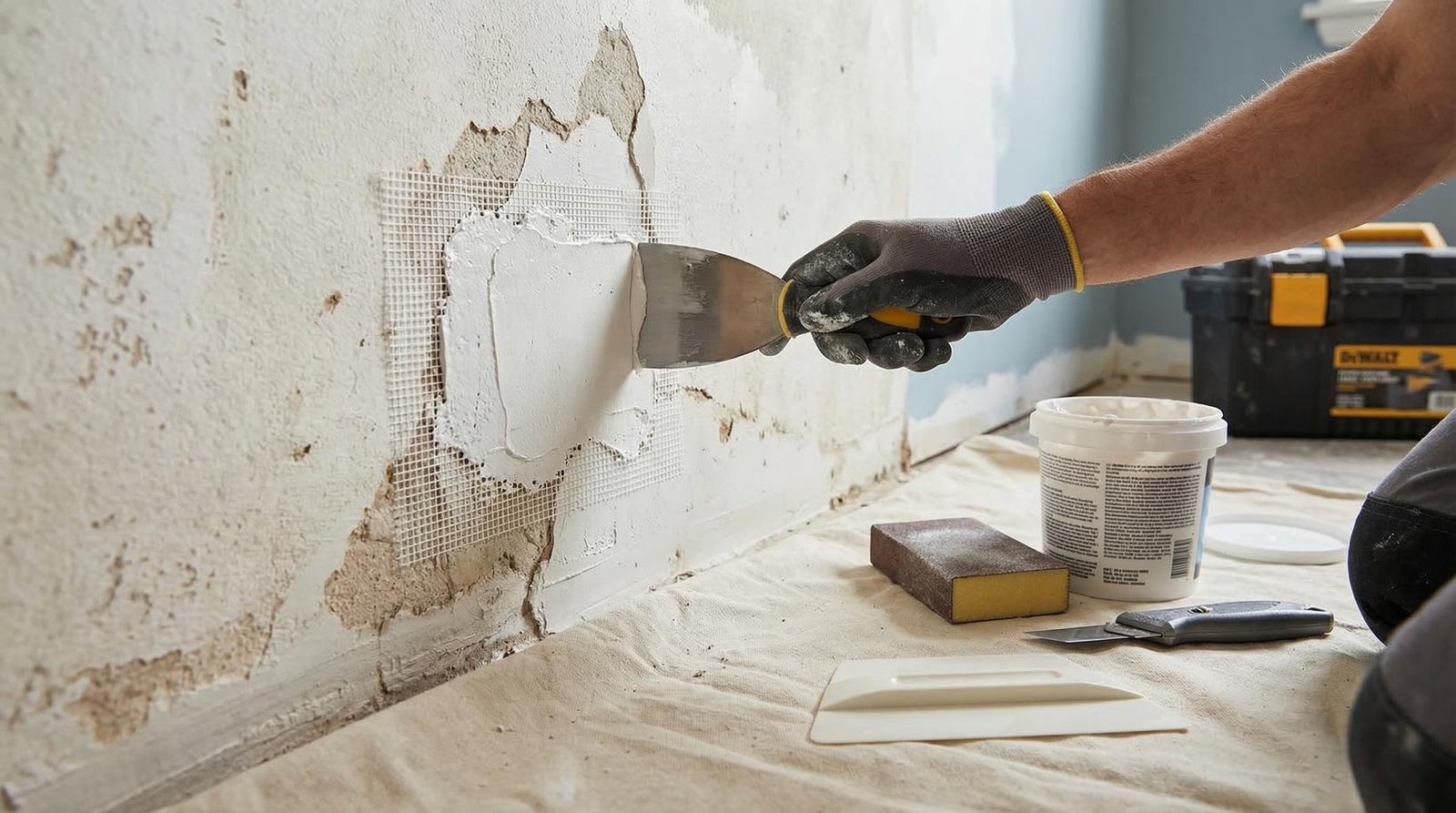
Drywall patch kits are pre-assembled solutions designed to fix holes and cracks in gypsum board quickly. Standard kits mix wet materials like pre-mixed spackle or pre-mixed joint compound with mesh patches, taping knives, and sometimes sanding blocks. This all-in-one approach streamlines minor repairs—especially compared to buying each component separately or hiring a professional.
These kits are gaining traction due to aging homes needing fast touchups, surging DIY culture, and a strong market for simple, cost-effective home upgrades. According to industry reports, wall repair product sales in the U.S. continue to rise, buoyed by demand for wet repair materials like spackle and compact kits designed for non-professional users. Modern kits target everything from nail holes to more serious wall gashes, reflecting a growing preference for DIY efficiency and product convenience.
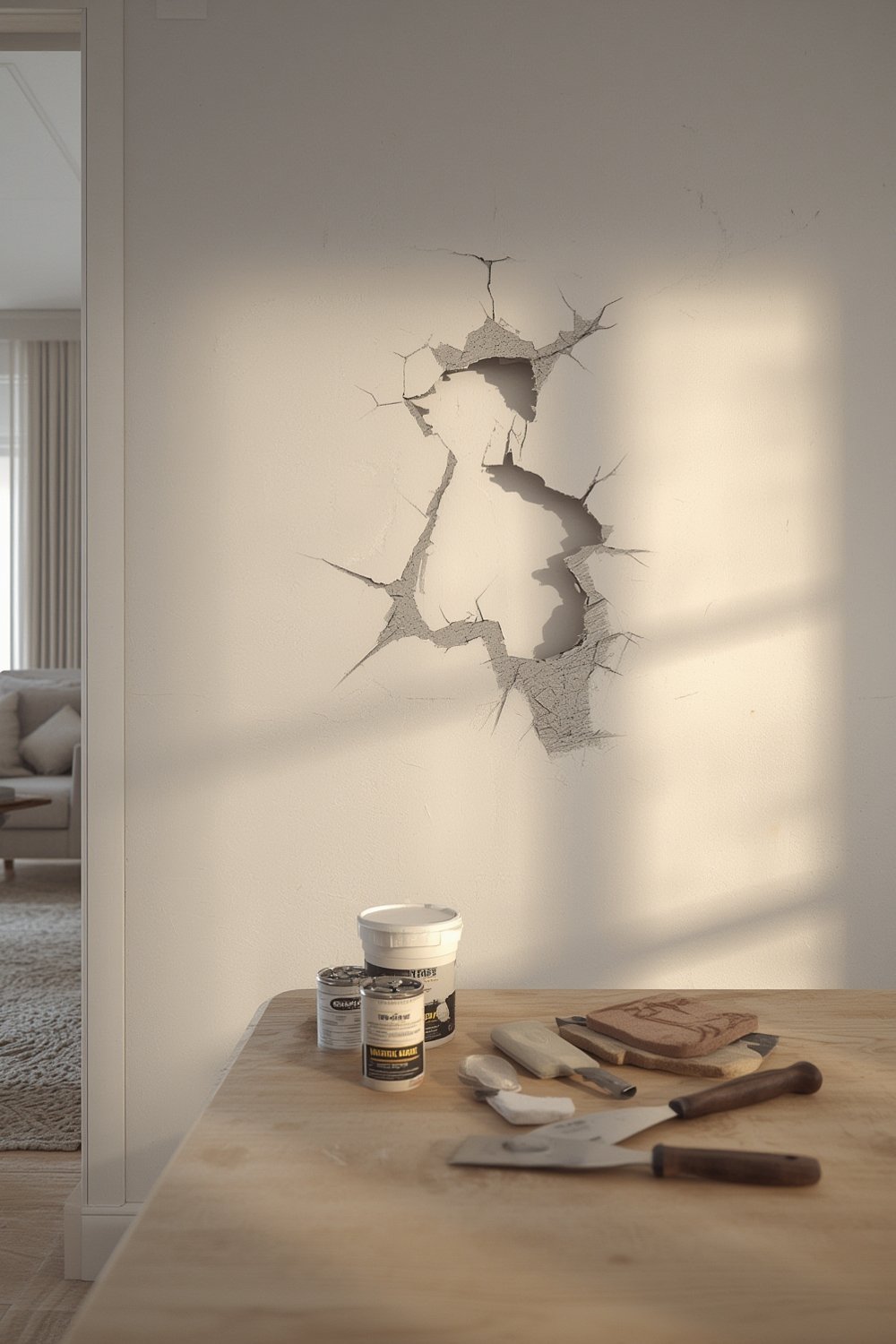
For quick fixes—especially when prepping a home for sale or rental—a well-chosen drywall kit saves time, money, and stress. They allow users to bypass long drying periods associated with fuller repairs and avoid the hassle of mixing powder compounds, making them especially appealing for average homeowners.
This efficiency trend is part of a broader DIY movement, in which the convenience of online ordering and ready-made kits is reshaping both the tools and the expectations homeowners bring to minor wall repairs. Increased competition among brands has led to specialized bundles, sometimes with eco-friendly features or better safety specs.
For more on household solutions that simplify daily life, check out our skylight calendar reviews or washable doormat guide.
Step-by-Step Guide to Using the Best Drywall Repair Kits
To get a seamless patch—not just a quick cover-up—you need to follow the right process. Here’s how to use a standard drywall repair kit, and some insider tricks to get the best possible finish.
- Identify and prepare the damaged area. Cut away any loose or torn drywall paper with a utility blade. Dust and vacuum the area for best adhesion.
- Choose the right patch. For holes up to 2”, use just the filler. For holes between 2” and 6”, apply the included self-adhesive patch slightly larger than the hole. For bigger holes, rigid aluminum-backed patches work best.
- Apply the patch. Center the self-adhesive patch over the hole and press firmly. Ensure all edges are secure and lying flat.
- Spread compound or spackle. Use the provided taping knife or spreader. First, cover the patch with a thin layer, feathering 2–3 inches past the patch edges. Let dry fully.
- Sand smooth. Once dry, sand lightly using a fine-grit sanding pad (provided in most kits). Take care not to over-sand the center, which can reveal the patch.
- Repeat compound/sanding. Apply a second (and if needed, a third) coat, feathering out each time. The wider your compound feather, the more seamless your wall will look after painting.
- Prime and paint. Once the patch is invisible and the area feels flush, apply primer before your final color. Skipping primer risks visible touch-up spots.
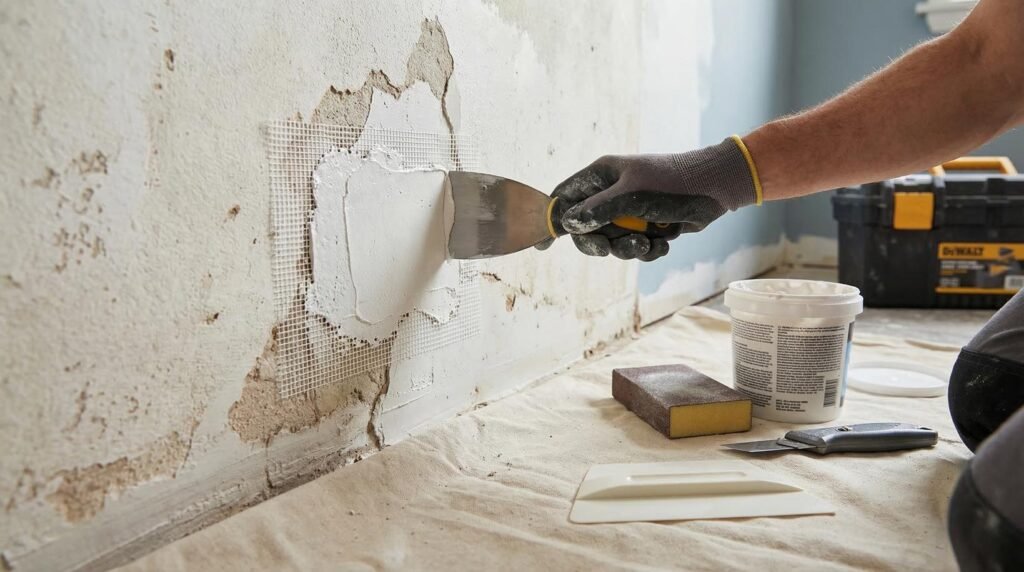
Most drywall repair kits include these key components:
- Pre-mixed spackle or lightweight joint compound
- Self-adhesive mesh patches (usually in 4”, 6”, sometimes 8” squares)
- Plastic or steel taping knife (often 2” to 6” wide)
- Fine-grit sanding pad
- Instructions and sometimes a primer sample
If your kit is missing a crucial tool, supplement with items from a local home improvement discount store.
Quality kits also specify drying times, recommended layer thickness, and safety warnings. Advanced or “eco” kits promote low-VOC formulations, which may matter if you’re concerned about indoor air quality (see our guide on avoiding chemical exposures in your appliances).
To extend the life of your repair tools, clean the taping knife and sanding block immediately after use. Dried compound can ruin these surfaces quickly.
Advanced Analysis & Common Pitfalls: Problems You Can Avoid
Even the Best Drywall Repair Kits aren’t foolproof. Users often run into issues like visible patches, cracked repairs, or mismatch in wall texture and paint. Below, we break down common pitfalls and how to sidestep them for a flawless repair.
| Pitfall | Why It Happens | How to Avoid |
|---|---|---|
| Patch visible after painting | Insufficient feathering, skipping primer, or using a patch thicker than wallboard | Feather compound widely, use primer, and pick mesh thin enough to blend with wall |
| Cracked repair | Applying compound or patch too thickly, or not letting it dry fully between layers | Apply thin, multiple coats and allow ample dry time |
| Repair feels soft or indented | Used lightweight spackle on a larger hole or weak support behind patch | Use rigid backing or high-strength mesh for holes larger than a golf ball |
| Dust mess from sanding | Using dry sanding rather than a damp sponge or vacuum-equipped sander | Try damp sponge sanding on the final coat, or lay down a drop cloth before starting |
| Kit contents run out before repair is done | Kit too small for more than one medium patch, or inadequate compound for multi-layer coats | Estimate repair needs up front, buy a “medium” or “large” kit if in doubt |
Users also encounter issues with mis-matched wall textures, especially on orange peel, knockdown, or popcorn finishes. Many kits overlook this, so consider a kit with a texturing sponge or buy one separately for the most invisible result.
Another concern is durability. While few public datasets compare long-term performance, industry sources report growing demand for fire-rated, impact-resistant, or soundproof patches—especially in busy homes or rentals. When possible, check for these specs on the packaging or in the kit description.
Finally, do not forget about indoor air quality: prefer low-VOC (volatile organic compound) options if patching near a kitchen, nursery, or frequently used living space. For further home air safety guidance, see our air purifier for bedroom guide.
If you’re working within a tight renovation budget, our guide to home improvement stores near you may help you source kits and materials for less.

Conclusion: Making the Right Choice
Choosing the Best Drywall Repair Kits means weighing more than just price. Pay attention to kit size, quality of spackle or compound, mesh patch durability, included tools, and any special features like fire resistance or eco-friendly formulations. Be realistic with your skills and don’t rush the process—using a good kit with proper technique will deliver a seamless result you hardly notice.
Ready to tackle your next project? Start small, choose wisely, and don’t be afraid to reference our home organization or budget improvement guides for more inspiration. The right kit can make any wall look good as new—without the pro price tag.
Still undecided on the right wall touch-up? Visit our home organization tips for more home upgrade ideas, or browse our contracting services guide if your wall job is bigger than DIY can handle.
FAQ
What should I look for in the best drywall repair kit?
Look for kits that include pre-mixed compound, various sizes of mesh or metal patches, a taping knife, and clear instructions. Kits offering primer or sanding pads are a plus. The best kits specify coverage area, drying times, and are tailored to your repair needs.
Can drywall repair kits handle large holes or just nail pops?
Most repair kits are optimized for small-to-medium holes (up to 6 inches). For larger repairs, consider a kit with rigid backing panels or support bars. Small nail holes or cosmetic cracks require just lightweight spackle or filler.
How long does a typical repair take to complete?
Basic repairs can be completed in a few hours, but for seamless blending, factor in several coats and full drying time between each (may require 24 hours total). Always check the kit’s instructions for manufacturer-recommended times.
Are drywall repair kits safe to use indoors?
Most kits are safe for indoor use. If you’re sensitive to chemical odors, look for low-VOC compounds and avoid sanding dust by using a damp sponge. Always work in a ventilated area and store unused materials according to manufacturer directions.
Do different brands really make a difference?
Yes, especially regarding patch adhesion, compound texture, and included tools. Reputable brands often provide clearer directions, higher-quality fillers, and more durable mesh. However, avoid overpaying for branding alone—compare kit contents and reviews carefully.
—