

### Blog Post:
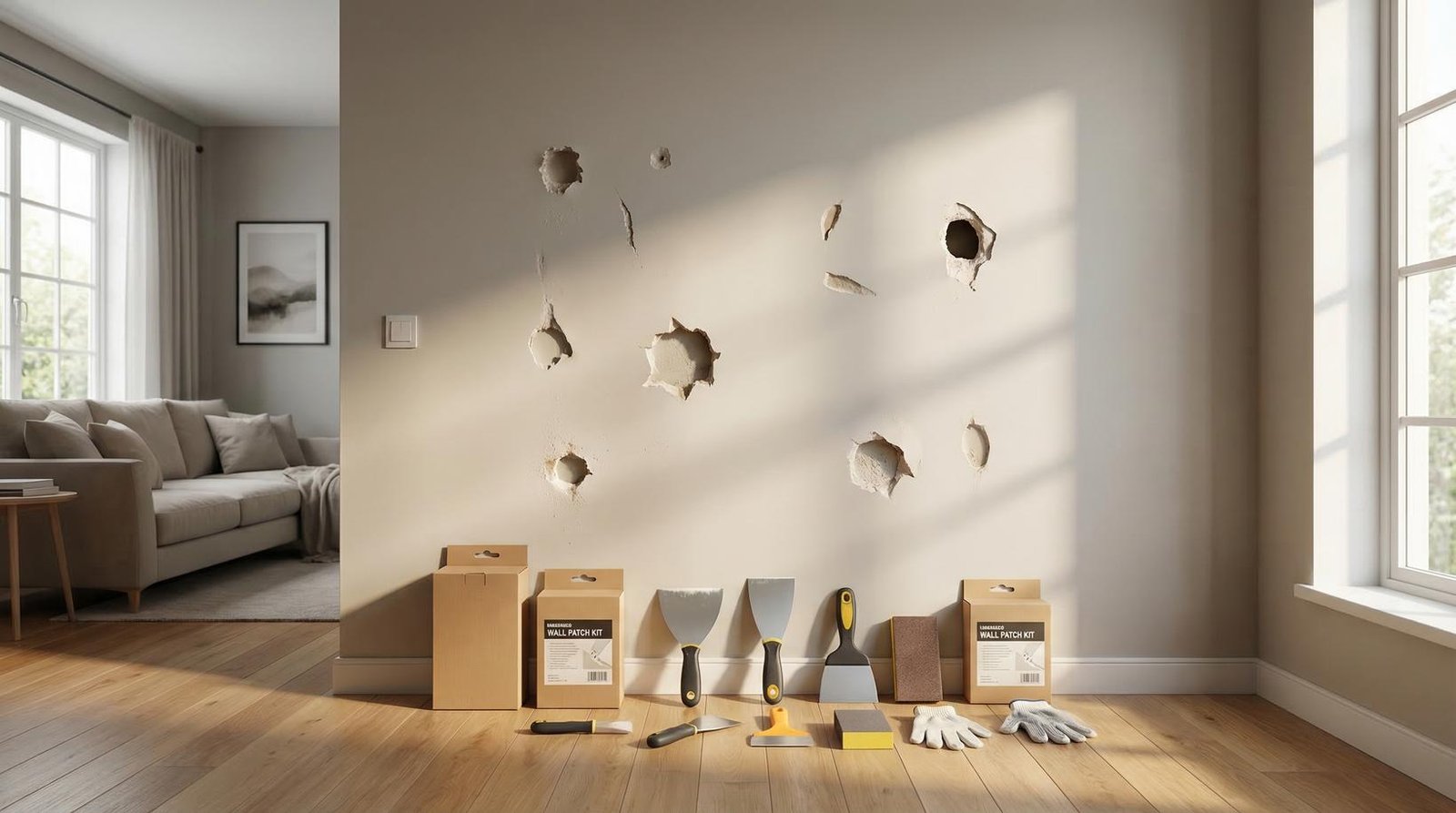
Best wall patch kits are the fastest solution for homeowners who need to repair holes or cracks in drywall without hiring a pro. Whether you’re facing nail holes from a gallery wall or patching up accidental damage, consumer interest in these kits is surging as more DIYers aim for clean, invisible results.
Key Takeaways
- The wall patch kit market is accelerating in 2024, particularly due to increased DIY and home improvement activities.
- Most consumers prefer wet products like spackle for minor repairs, but technical data on kits is limited.
- Detailed performance benchmarks and real user feedback on leading kits are scarce; make purchase decisions using available specifications where possible.
- What Are Wall Patch Kits and Why Are They So Popular?
- Step-by-Step Guide: How to Use Wall Patch Kits for Seamless Repairs
- Advanced Analysis & Common Pitfalls When Using Wall Patch Kits
- Conclusion
- Frequently Asked Questions
What Are Wall Patch Kits and Why Are They So Popular?
Wall patch kits bundle together all the essentials—such as patches, putty/spackle, and application tools—for quick, amateur-friendly drywall repair. In 2024, the global wall patch kit market is valued between USD 1.24 billion and USD 1.47 billion, with U.S. residential demand especially high as homeowners increasingly tackle repairs on their own.
This growth is driven by several factors:
- DIY boom: Homeowners want to avoid professional service fees for minor fixes.
- Convenience and speed: Kits contain everything you need—no running to multiple stores or searching for the right materials.
- Changing consumer preferences: There’s a shift toward wet products like spackle instead of just mesh patches or dry fillers, especially for small repairs (source).
These factors mean wall patch kits are easy for beginners, yet surprisingly effective for achieving a smooth finish with minimal cost.
Step-by-Step Guide: How to Use Wall Patch Kits for Seamless Repairs
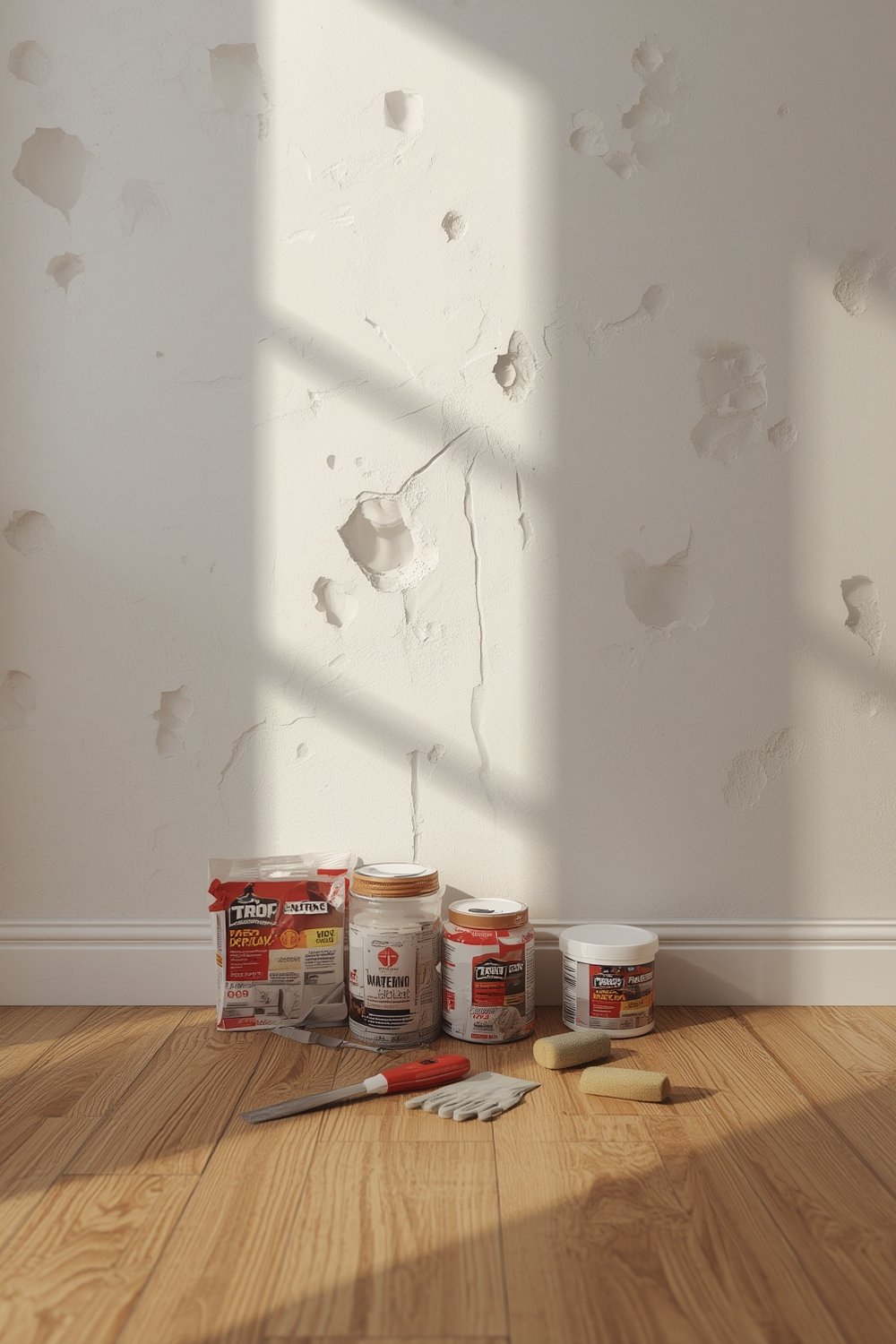
Anyone can use a wall patch kit for quick repairs, but good technique will ensure a professional result. Follow these steps:
- Clean the Damaged Area: Remove loose paint, drywall dust, or debris from the hole or crack using a utility knife or dry cloth.
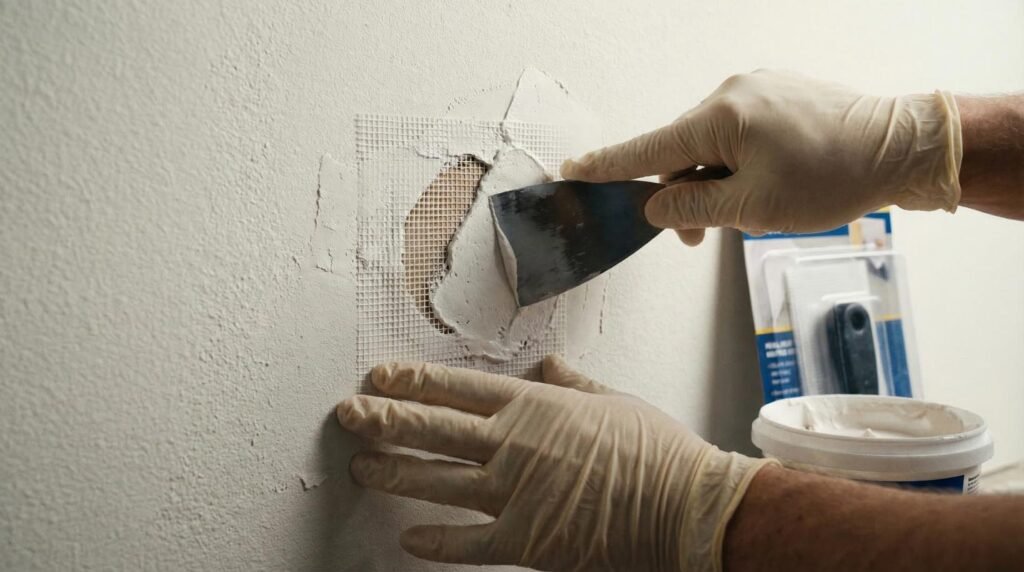
- Prep the Patch: For holes larger than a nail-head, select a self-adhesive patch or mesh from your kit. Cut it to size if needed.
- Apply the Patch: Stick the patch over the repair area, ensuring it lays flat and fully covers the hole’s edges.
- Mix or Stir Compound: If your kit uses spackle or joint compound, mix thoroughly for smoothness. Some kits provide premixed filler for added convenience.
- Spread Compound: Use the kit’s putty knife to press compound smoothly over the patch, feathering it slightly beyond patch edges for blending.
- Let Dry and Repeat as Needed: Allow to dry fully (drying time varies by product but is rarely specified in the box). For deep or wide holes, a second coat may be necessary.
- Sand for a Flush Finish: Gently sand the dried area using the sanding pad included in many kits. Wipe away dust before painting.
- Paint: Spot-prime if needed, then apply matching wall paint. Allow to dry thoroughly before moving furniture against the wall.
If you’re making multiple repairs or tackling an older home, consider checking out our Best Drywall Repair Kits buyer’s guide for additional options with multi-tool value.
For more cost-saving ideas—and ways to budget your home projects—read about discount home improvement stores and financing like $10,000 home improvement grants.
Advanced Analysis & Common Pitfalls When Using Wall Patch Kits
Despite the popularity of wall patch kits in 2024, several knowledge gaps and practical frustrations can catch DIYers off-guard. Performance details like curing time, included tool quality, and which patch types work best for different repairs are rarely revealed on packaging—or even in most online reviews.
- Undefined Curing Times: Kits don’t always disclose how long spackle or compound should dry before sanding or recoating. This can lead to rough finishes or peeling paint if rushed.
- No Real Cost Transparency: There’s limited market data about the exact price range for these kits versus professional repairs. According to industry estimates, the drywall repair service market in the US alone is over $5 billion, but the price difference between DIY and hiring out is unclear.
- Difficulty Matching Texture: Even the best kits struggle with orange peel, knockdown, or heavy wall textures—most assume a flat finish.
- Unknown Tool Quality: Some kits include flimsy putty knives or low-quality sandpaper that don’t deliver a professional finish.
- No Consistent User Feedback: Most reviews are generic, and no large-scale, expert tests have compared kit performance on nail holes, cracks, and larger wall damage.
- Lack of Safety Data: There are no recent recall warnings, lab test results, or detailed safety advisories for any brand of wall patch kit.
| Feature | Typical Wall Patch Kit | Professional Repair |
|---|---|---|
| Included Tools | Patch, putty/spackle, knife, sometimes sandpaper | Pro-grade taping knives, sanding blocks, advanced materials |
| Repair Scale | Great for nail holes, small dents, cracks | Handles large holes, water damage, complete texture matches |
| Finish Quality | Mediocre to very good, rarely “invisible” on close inspection | Practically seamless finish |
| Drying Time | Rarely specified; most need 1-2 hours, sometimes overnight | Known and controlled for optimal finish |
| Cost | Kit: $8-$25 (estimate, varies by DIY store and size) | Pro: $100-$300+ per repair (varies by region/extent of wall damage) |
For complicated or large repairs, you might want to compare best contracting services or learn how to budget for bigger home improvements.
Conclusion
Wall patch kits are a convenient and affordable option for most small- to medium-sized drywall repairs. While there’s limited published data on specific kit performance, their popularity is undeniable, especially for DIYers seeking a fast, seamless finish. For bigger jobs—or if you want a pro-grade result—don’t hesitate to explore hiring a professional or using specialty patching materials.
If you’re ready to tackle those dings and dents yourself, start with the Best Wall Patch Kits to save time and money. For deeper home improvement insights, check out our resources and guides above.
Frequently Asked Questions
Can I use a wall patch kit on textured walls?
Yes, but basic kits are suited for flat and light orange peel textures. For heavier textures, you may need to recreate texture with specialty sprays or drywall compound techniques after patching.
How long does a wall patch typically last?
If applied according to instructions and protected from moisture, a patch can last for years. However, improper drying or movement in the wall substrate can lead to cracks or bulging over time.
Are wall patch kits safe to use around kids and pets?
Most kits are non-toxic when used as directed, but always ventilate the area and keep materials away from children and pets until fully dry and cleaned up.
Do kits work for both small and large holes?
Basic kits are excellent for nail holes, dents, and cracks. For holes over 4 inches, look for kits with reinforced aluminum backing or use a drywall plug for best results.
What is the main difference between spackle and joint compound in these kits?
Spackle dries faster and is ideal for small jobs, while joint compound is better for larger repairs and feathering, but takes more time to dry thoroughly.
—