


### Blog Post:
Kitchen renovation checklist is the difference between a smooth remodel and one that goes sideways on your timeline or budget. If you want a realistic step-by-step playbook — not just generic price lists — this guide covers every step, cost detail, and overlooked decision homeowners and contractors most often regret missing.
Key Takeaways
- 2024 national kitchen renovation costs range from $12,000 to $60,500, with $27,000 as the median; cabinetry and appliances usually take up over half the total budget.
- Most online guides miss permit steps, trade timing, hidden-conditions discovery, and real homeowner pain points; this checklist fills those gaps.
- Order your long-lead items early, lock scope before demo, and insist on a pre-demo inspection to minimize costly delays or budget overruns.
- Quick snapshot — 2024 kitchen renovation at-a-glance
- Step-by-step kitchen renovation checklist & sequencing
- Advanced analysis & common pitfalls homeowners face
- Conclusion & next steps
- Kitchen Renovation Checklist FAQ
Quick snapshot — 2024 kitchen renovation at-a-glance
If you’re planning a kitchen remodel in 2024, here’s what to expect before you dive in: costs, project tiers, and timeline basics. National kitchen renovation costs now range between $12,000 and $60,500, with the median for a typical kitchen at $27,000.[1] Project scopes break down as follows:
- Minor remodels: $10,000–$25,000
- Mid-range: $25,000–$60,000
- High-end: $60,000+
From first planning to final inspection, most kitchen renovations take 8–16 weeks. Your timeline depends on project scope, existing conditions, and how fast you can make decisions and coordinate trades. Set realistic expectations from the start so you’re not caught off guard by hidden surprises or overlooked steps.
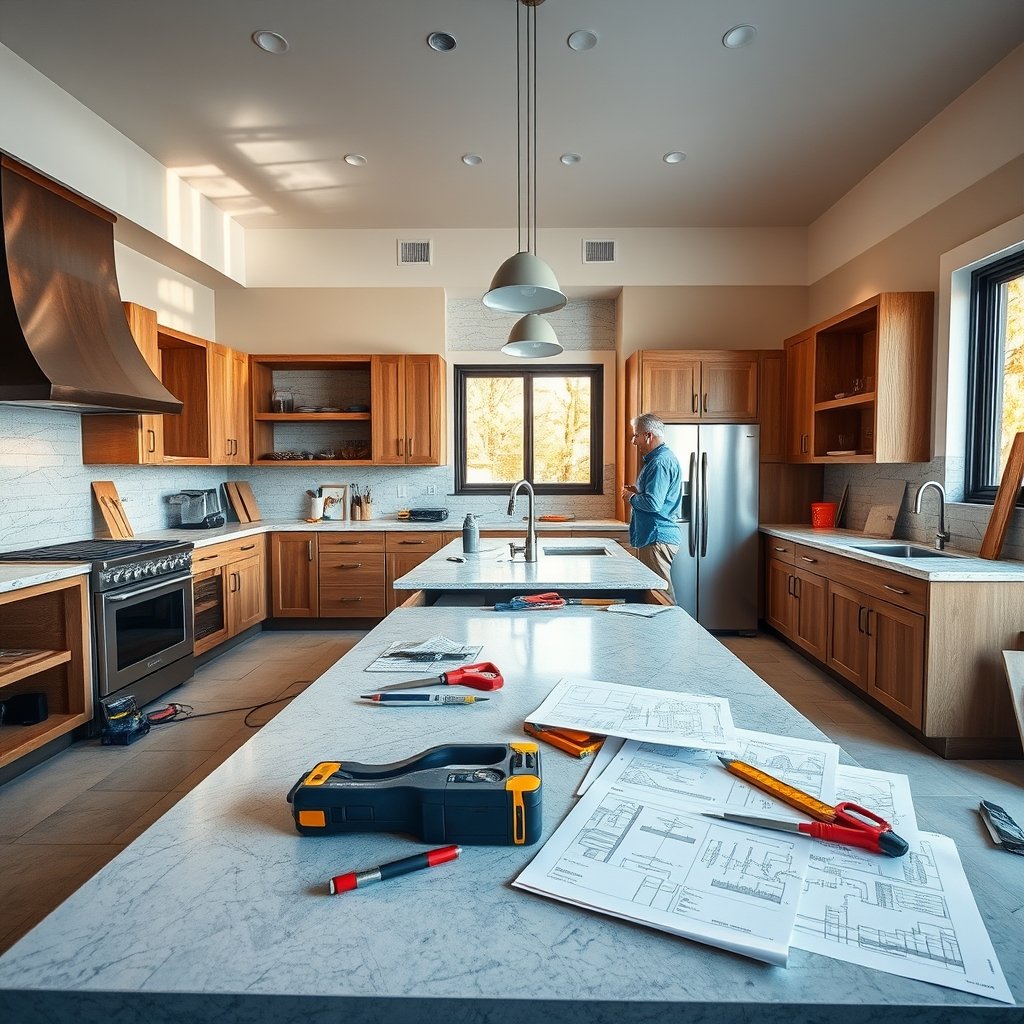
Do this next: Pin down your own rough budget and timeline category (minor, mid, or high-end) — this single step shapes every decision going forward.
Step-by-step kitchen renovation checklist & sequencing
The right kitchen renovation checklist isn’t just a list of tasks — it’s a sequenced action plan with who does what, when. Here are the real-world steps that prevent chaos and regrets:
- Planning & Design: Measure, draft layout options, pick finishes, create a detailed budget, and interview contractors. Start a shared spreadsheet to track every choice and quote.
- Permits & Approvals: Apply early for any permits (plumbing, electrical, structural). Use your city’s online permit portal (e.g. NYC DOB) for accurate forms and timelines.
- Procurement — Order Long-Lead Items: Place orders for cabinetry and appliances as soon as your design is final; delays here can derail the entire schedule.
- Demolition: Protect adjacent rooms, shut off utilities, and schedule a pre-demo inspection. Removing finishes often exposes hidden issues.
- Structural/Rough-ins: Tackle any framing, subfloor, or wall repairs now. Structural work must finish before new systems go in.
- Mechanical, Electrical & Plumbing (MEP): Bring in licensed plumbers/electricians. Line up new rough-ins for outlets, vents, water, and gas per your plan.
- Cabinetry Install: Cabinets are often the single biggest line-item—installation can take several days and needs precision.
- Countertops & Appliances: Countertops fit after cabinets are in; appliances get delivered and installed so connections line up.
- Finishes (Backsplash, Paint, Lighting, Flooring): Leave all finish work until after heavy installs to minimize damage and dust.
- Final Inspections & Clean-Up: Book required city/county inspections, then deep clean every surface before you start moving in.

Typical Budget Broken Down by Step
- Cabinetry: 20–40% of total budget, up to $15,000+[1]
- Appliances: Average $8,200; dishwashers $300–$2,000, induction cooktops $500–$3,000[2]
- Countertops: About $6,000
- Permits, Labor, Planning, Demolition, Flooring: Varies by market and scope; estimate labor/permits at 20–35% of mid- or high-end projects, or budget ~ $150/sq ft
For an editable, line-item spreadsheet you can download and use, jump to the resources section below.
Do this next: Draft your ideal start date, then walk backward using the above sequence — write one must-complete milestone per week. Share this summary with every contractor/trade you interview.
For more on planning complex project timelines, see our general contracting services overview.
Advanced analysis & common pitfalls homeowners face
Most homeowners and even some contractors skip steps or hit costly mistakes because mainstream guides gloss over detail sequencing, documentation, and hidden-condition discovery. Here’s what real-world jobs, contractors, and homeowner forums say gets missed most often:
Top Common Pitfalls (Sourced from Contractor Interviews & Homeowner Forums)
| Pitfall | How to Prevent It | Source / Homeowner Quote |
|---|---|---|
| Permits delayed or overlooked | Apply the week your design is finalized. Use your city’s online portal (e.g., NYC DOB), or call city hall to clarify any gray areas. | Reddit/r/HomeImprovement: “Had to stop everything for 3 weeks—my contractor thought we didn’t need a permit, but inspector flagged us.” |
| Hidden subfloor, water, or wiring problems after demo | Schedule a pre-demo assessment; set aside at least 10% contingency for surprise repairs. | Contractor (Tom S., Denver): “Almost every old kitchen I’ve seen has a couple hidden wow moments under the floor or behind the drywall.” |
| Long-lead materials (cabinetry, custom countertops, appliances) not arriving before install date | Confirm order lead times in writing and check warehouse readiness status a week in advance. Order immediately after plans lock. | Houzz: “Fridge and range were delayed, had to reschedule the countertop guys twice—added another month to project.” |
| Missed outlets, poor task lighting, insufficient venting | Add at least two more outlets than you think; specify layered lighting. Double check vent diameter with appliance specs. | Reddit: “We wish we’d added more outlets and better undercabinet lighting!” |
| No written change-order or contingency process | Insist on a contract clause explaining how changes and extra work are priced, approved, and paid—before demo begins. | See our find home improvement contractors guide for template contract language. |
What Competitor Guides Omit (that cost you later)
- Permit & Building Code Guidance: Very few guides provide city-by-city permit and inspection lists. Always check your own town’s requirements. For eco-options, insist on ENERGY STAR appliances and look for local green material credits (ENERGY STAR).
- Exact Trade Sequencing: Pin down who finishes before the next trade starts: for example, plumbers and electricians before cabinets, then counters, then finishes; get written commitments.
- Pre-demo Discovery Plan: Too many guides skip the need for a pre-demo inspection. Walk the job with your GC and relevant trades, using a checklist to spot signs of rot, termites, or outdated wiring before you rip out existing finishes.
Real Homeowner Regrets (and how to avoid them)
- Insufficient storage: Deep drawers and pull-out organizers increase storage capacity more than extra wall cabinets. See options in our under sink organizer and pantry container guides.
- Poor lighting design: Use multiple lighting layers. Always add undercabinet LED strips and at least two ceiling fixtures.
- Under-spec hardware: Select soft-close hinges and full-extension drawer slides for lasting durability, not just bottom-bin big box options.
- Noisy ventilation: Upgrade vent hood CFM and double check wall/roof vent routes — undersized ductwork is the number one cause of persistent noise.
- Budget overrun: 10–20% overruns are typical when homeowners don’t lock final scope or order key materials up front; insist on a contract with milestone payments and freeze scope before demo.
Want more insider guidance? Review our construction management checklist for contractor interview templates and cost control checklists.
Do this next: Customize the above pitfall table to your own job — schedule a pre-demo inspection, list required permits, and write out your own scope freeze/change-order process with your contractor.
Conclusion & next steps
No two kitchens — or kitchen renovation checklists — are alike, but homeowners who plan for hidden conditions, lock timeline sequences, and insist on documenting every step will encounter fewer surprises and avoid the regrets found all over homeowner forums. Use this guide as your master document: print the checklist, edit line-item budgets, and align every contractor on one timeline to control costs and minimize stress. Download our free editable checklists below and take them to every site meeting.
If you want more targeted tips or need a checklist for a smaller project, check out our small kitchen renovation ideas page. For related projects and insights, visit our guides on affordable bath renovations or learn how professional home remodeling can streamline your next upgrade.
Ready to get started? Download your one-page printable kitchen renovation checklist and take action before that first hammer swings.
Kitchen Renovation Checklist FAQ
How long should a full kitchen renovation take from start to finish in 2024?
Most kitchen renovations now take 8–16 weeks, depending on scope, major material lead times, and complexity. Minor jobs may take just 4–7 weeks, while full-gut plus major reconfiguration can stretch over three months. Always build in a contingency window in case material supply or permit issues arise.
What is the best way to budget for hidden costs or surprises?
Add a contingency fund of 10–20% over your “ideal” budget for unexpected issues like subfloor rot or electrical upgrades uncovered during demo. Get your contractor to walk the site before demolition to estimate likely hidden repairs.
Do I need permits for my kitchen renovation?
Most kitchen renovations that involve electric, plumbing, or structural changes require permits. Always check your city or county website — you may need separate permits for electrical, plumbing, and sometimes even for wall/door reconfigurations.
How do I avoid project delays with appliances and cabinets?
Order all long-lead items (custom cabinets, major appliances) as soon as final plans are set — some lines take 8–14 weeks. Double check delivery windows, have items stored if necessary, and schedule project milestones so installation can proceed the moment materials arrive.
Where can I find a detailed, free kitchen renovation checklist or budget template?
This post includes downloadable editable checklists — scroll above for links to printable versions, or see resources on kitchen renovation templates and step-by-step guides.
—