

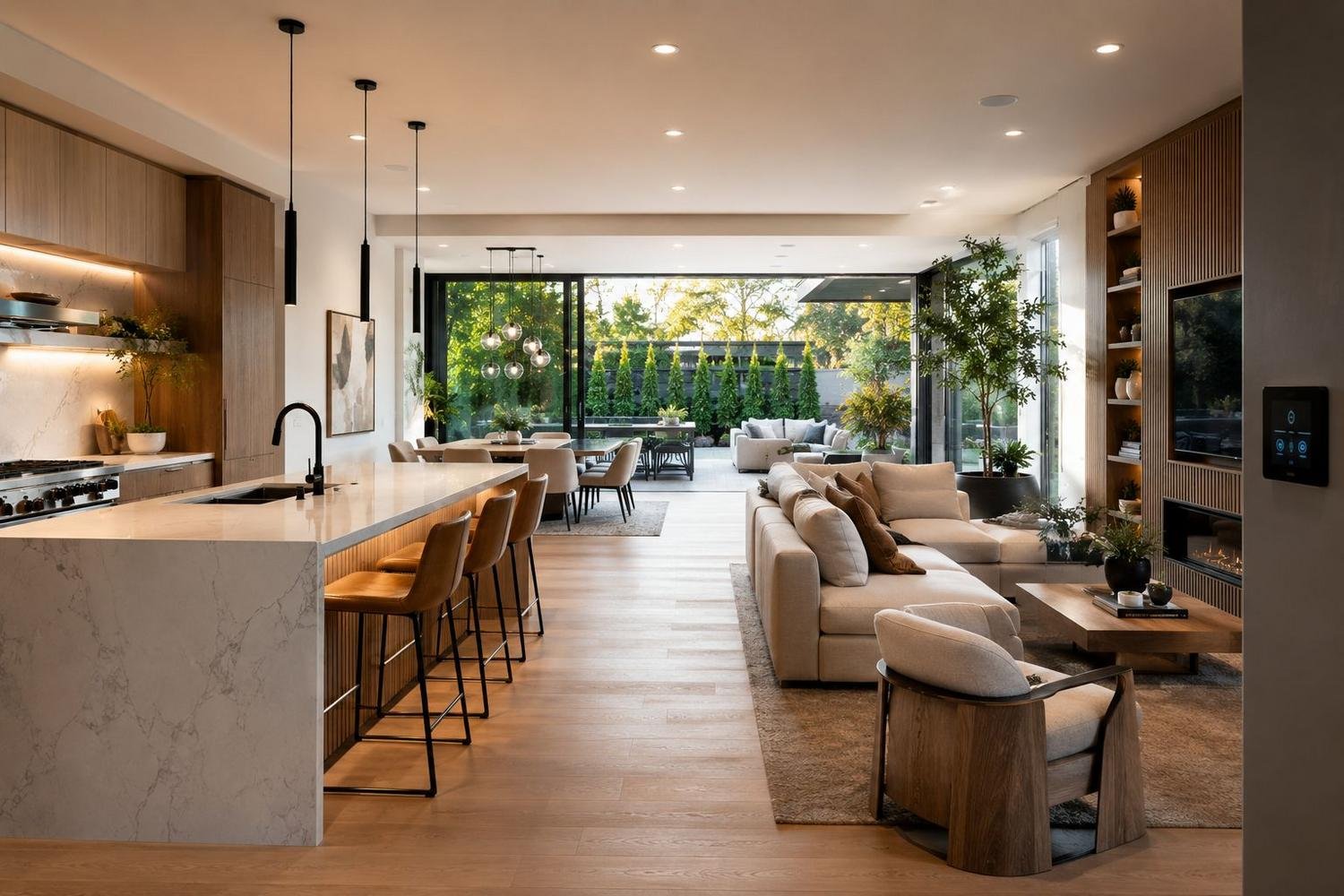
Home interior remodeling is one of the smartest ways homeowners can maximize comfort, update outdated spaces, and protect their property’s value—especially with 2024’s rising renovation costs and shifting design trends. Planning a renovation now isn’t just about style; it’s about avoiding budget shocks, minimizing household disruption, and making sure every dollar spent truly adds value. This guide delivers a step-by-step, ROI-first playbook built for real families—not just Instagram-perfect reveals.
Key Takeaways
- Remodeling is booming in 2024—kitchens lead, but under-budgeting and hidden costs are common traps.
- ROI varies by project: finish hardwood, update insulation, and paint for top value before selling.
- Success comes from phased plans, clear contractor contracts, and a robust 10-20% contingency budget.
- Why Remodel Now — the 2024 Market Context
- Step-by-Step Remodeling Guide (with Timeline & Checklists)
- Advanced Analysis & Common Pitfalls: Cost Surprises, Risk, and ROI
- Conclusion: Confident, Value-Driven Remodeling
- FAQ
Why Remodel Now — the 2024 Market Context
The home interior remodeling market is on fire in 2024. According to the Houzz U.S. Houzz & Home Study, 62% of homeowners plan to remodel within the next year, with spending climbing from a $15,000 median (2020) to $24,000 (2023). Kitchens and primary bathrooms are the top targets, driven less by pure aesthetics (only 10%) and more by the need to replace outdated, deteriorating materials (30%).
Why the surge now? Pent-up demand after inflation and pandemic supply shocks, surging real estate values, and the pressure to make existing homes fit new lifestyles (think: home offices, family spaces) all factor in. Trends like sustainability, biophilic design, and statement fixtures are everywhere, but the smartest remodels balance visual appeal with proven ROI and durability. With $463 billion spent nationally on renovations in Q1 2024 (Houzz), mistakes are increasingly costly—especially as the median kitchen project cost jumps 20% in a single year.
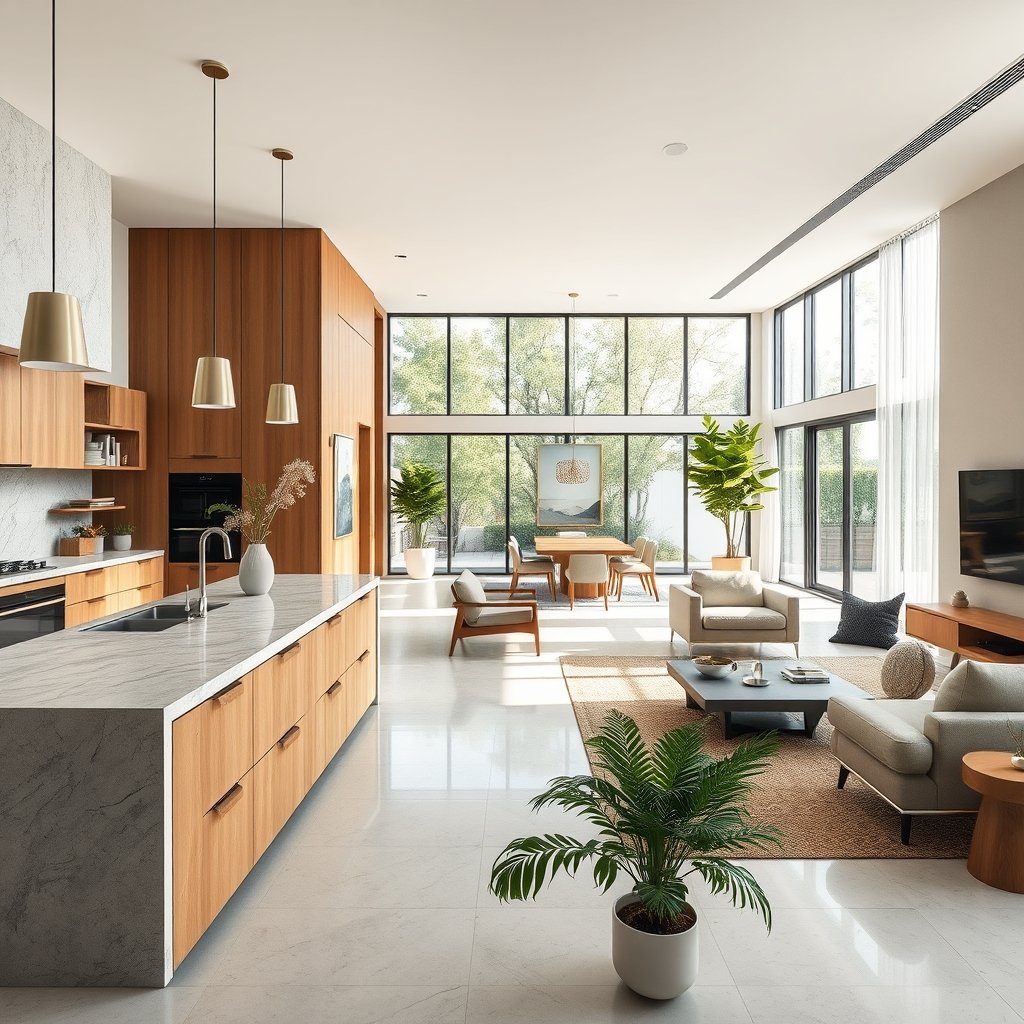
Step-by-Step Remodeling Guide (with Timeline & Checklists)
Every successful home interior remodeling project—especially in kitchens and bathrooms—follows a structured roadmap. Here’s exactly how to tackle yours with realistic budgets, less stress, and maximum value:
1. Define Your Goals & Budget
- Decide if you’re remodeling for improved daily function, prepping for resale, or both.
- Choose key spaces: kitchens (29% of remodels), guest baths (27%), primary baths (25%), or living spaces (21%).
- Set your budget: 39% spend under $5,000 (best for small updates), 36% spend $15,000+ (typical for full kitchens and primary baths).
For detailed project cost breakdowns, see remodeling budgets for bathrooms.
2. Research & Prioritize for Highest ROI
- Prioritize updates proven to generate value: refinishing hardwood floors, adding insulation, or upgrading kitchen cabinetry.
- Choose timeless over “trendiest”—maximalism and country-western themes can date quickly, while nature-inspired and soft lighting elements have wider appeal (Decorilla).
- Balance eco-friendly materials with life-cycle durability—untested composites may look green but could cost more to maintain.
For more on ROI and resale, see expert value-driven remodeling tips.
3. Get Bids & Secure Permits
- Request quotes from at least three line-itemized scopes.
- Insist on line-itemized scopes, payment milestones (deposit, rough-in, finish, final), and specified timelines.
- Check your city/county for required permits: structural, electrical, plumbing, ventilation, and—especially in homes built before 1980—environmental (lead/asbestos).
Permits aren’t optional: work without them can generate fines, failed inspections, and serious resale headaches (International Code Council).
4. Plan Your Project Timeline & Living Arrangements
- Typical phases: permits (2–6 weeks), demolition (1 week), rough-in (2–3 weeks), finishes (2–6 weeks), final inspections (1 week).
- Map out which spaces will be “offline” and when—if you have kids or remote work to juggle, plan well beforehand.
- Include buffer weeks for unexpected delays (materials lead times, inspection re-dos).
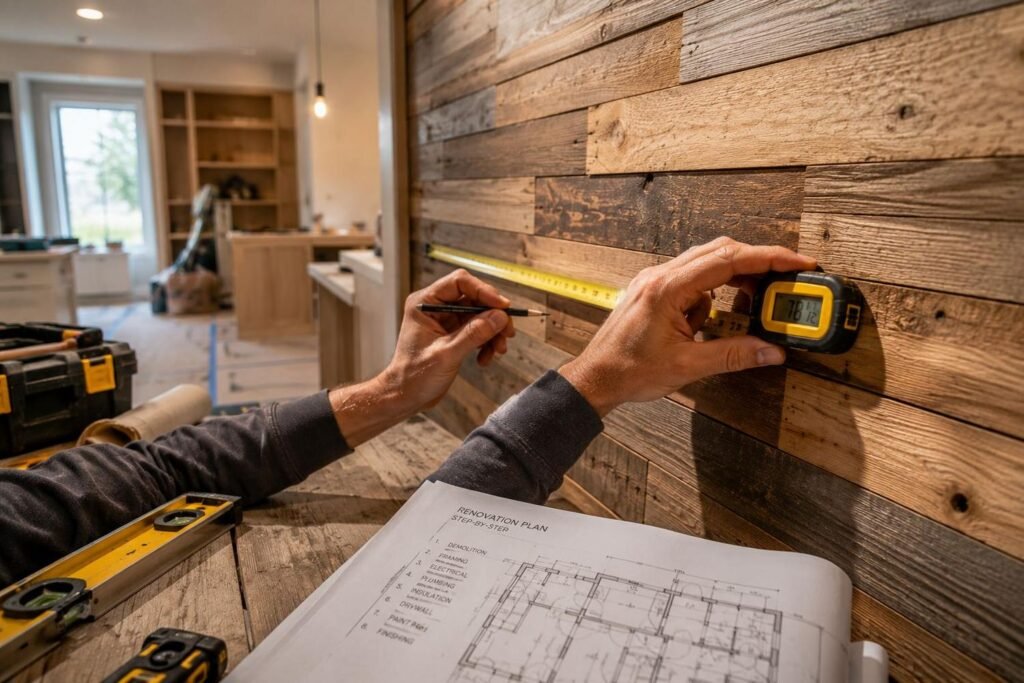
5. Lock in Contract Details (& Add Contingency)
- Approve a detailed contract: phases, line-item pricing, payment schedules tied to progress, warranty information, start/end dates, and a clear change order process.
- Require proof of insurance, permits, and licenses.
- Never pay more than 25% upfront; hold back final 10% until walkthrough and punch list are complete.
For detailed contractor checklists and legal safety, see our general contracting services guide.
6. Oversee Demolition, Rough-In, and Finishes
- Demo and rough work often reveal hidden costs—unplanned electrical/plumbing fixes or structural repairs.
- Inspect each phase before authorizing next payment: get photos, request receipts (especially for big material spends).
- Finish carpentry, painting, and tiling should follow a logical flow; don’t rush or you risk costly redos.
7. Final Inspection & Closeout
- Attend final walkthrough with your contractor—flag defects, request corrections, and gather all warranties/manuals.
- Don’t release the final payment until all permit signoffs and corrections are fully completed.
For a customizable checklist, download our kitchen renovation checklist template.
Advanced Analysis & Common Pitfalls: Cost Surprises, Risk, and ROI
Even diligent homeowners get blindsided by hidden costs and overlooked project risks—especially with kitchen or bathroom remodels. Here are the most common issues and how to avoid them:
Cost and Budget Pitfalls
| Pitfall | Why It Happens | Prevention |
|---|---|---|
| Under-budgeting | Using outdated cost data; omitting 10–20% contingency (Houzz Study) | Inflate your budget by 20% and keep cash/credit reserved for hidden issues. |
| Permitting confusion | Overlooking permits for electrical, plumbing, or structural changes | Check local requirements or use the ICC Permit Finder tool. |
| Change orders & scope creep | Inadequate contract language; unclear selections | Specify decision deadlines, require written change orders, and define contingency funds in the contract. |
| DIYing complex work | Trying to save on labor for electrical/plumbing/structural tasks | Hire pros for technical work. DIY surface updates, hardware, or paint only. |
| Chasing fast trends | Copying 2024’s maximalism, bold yellow, or velvet everywhere | Anchor your design in durable materials and timeless colors/patterns. |
Material, Durability, and Sustainability Dilemmas
- High-demand eco-friendly and composite materials lack track records for 20-year durability—some have resulted in higher mid-life costs (Cardinal Financial).
- Hardwood flooring and insulation remain the two highest-ROI interior projects, per Houzz and CivicScience data.
DIY vs. Pro: The Real Tradeoffs
- DIYers spend less (60% under $5,000), but risk code, safety, and finish issues, especially in kitchens and baths.
- Pro-led projects cross $5,000–$24,000 quickly, but generally deliver greater resale value and fewer headaches.
- For a detailed comparison of when to DIY or hire out, explore this general contracting planning resource.
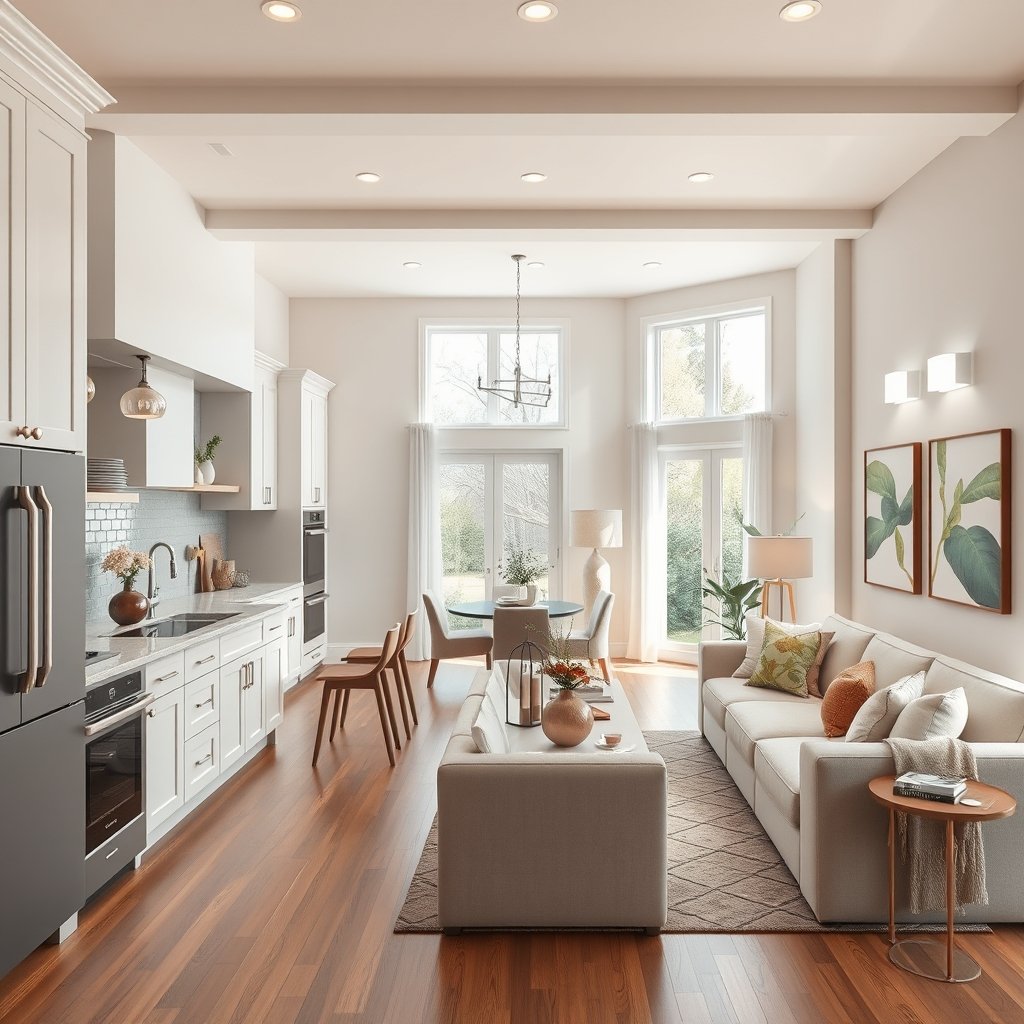
Cost Range Reference: What’s Typical Now?
- Median Kitchen: $24,000 (20% jump since 2022)
- Primary Bathroom: $15,000
- 39% of projects: under $5,000 (mostly cosmetic/DIY or single-room basics)
- 36% of projects: $15,000 or more (full gut/remodel)
Get tailored ideas for modest updates in this budget-friendly home projects feature.
Checklist: Avoid These Mistakes
- Skipping detailed contracts & documentation
- Not storing extra tiles/paint for future repairs
- Neglecting ventilation or lighting plans
- Underestimating permit and inspection timelines
- Failing to update insurance (for major remodels)
High-Impact, Low-Cost Upgrades for Resale
- Full interior repaint (nearly 50% of realtors recommend)
- Targeted kitchen refresh: new hardware, resurfacing cabinets, statement lighting
- Floor refinishing or adding modern area rug
Still not sure? Our remodeling reviews page has more real-world perspectives from homeowners who’ve tackled these updates.
Conclusion: Confident, Value-Driven Remodeling
Home interior remodeling is as much about future-proofing your investment as it is about personal style. By using realistic budgets, smart phasing, robust contracts, and investing in proven value items, you can remodel with confidence—even in a volatile market. Start with the high-ROI improvements, insist on proper permits, and keep a sharp eye on contract details. Ready for your own transformation? Explore our step-by-step contractor selection checklist and get started on your home interior remodeling plan today.
FAQ
What is the typical timeline for home interior remodeling projects?
Most projects take six to twelve weeks for kitchens, and three to eight weeks for bathrooms—plus 2-6 weeks for permitting and supply chain hiccups. Always add a buffer for surprises.
How much should I budget for unexpected costs?
It’s standard to add 10–20% of your project budget as a contingency fund for hidden issues like outdated wiring, water damage, or permit delays. Never skip this step.
Which remodeling projects give the best return on investment?
Projects with the best ROI are finishing or adding hardwood flooring, updating insulation, and a whole-home paint refresh. Kitchens and bathrooms offer strong returns if designs are timeless and functionality-focused.
How can I minimize household disruption during major renovations?
Phase your project (one space at a time), set up temporary living/cooking spaces, and communicate clear start/end dates with your contractor. Consider relocating during major kitchen or bath work if feasible.
What should I check before hiring a remodeling contractor?
Get at least three bids, verify licenses and insurance, review permits required, and ensure a contract covers payments, milestones, and change-order processes. Download our interview checklist for more tips.

[…] Corporate wellness and analytics integration is now a primary use case—more at our ROI remodeling guide. […]