

Fluted wall panels are one of 2024’s top design upgrades for homeowners and pros looking to balance modern style and practical acoustic improvements. Whether you’re refurbishing a living room, building out a classy home office, or guiding clients through upgrades, this guide gives you the hard numbers, realistic options, and market context to make a smart, regret-free decision.
Key Takeaways
- Both fluted wall panels and wood slat wall panels are seeing fast-growing demand thanks to design trends, acoustic needs, and social media inspiration.
- Material differences, acoustic specs (NRC/STC), and installation techniques have a huge impact on real-world results and long-term maintenance.
- Heavier wood slats need smart fastening; quote comparisons require apples-to-apples specs to avoid nasty price or quality surprises.
- Why fluted and wood-slat walls are booming in 2024
- Fluted vs wood-slat: design language, use cases, and installation basics
- Acoustic performance, pitfalls, and comparison table
- Conclusion: Decision-making for fluted wall panels
- FAQs: Fluted Wall Panels
Why fluted and wood-slat walls are booming in 2024
Design-savvy homeowners want spaces that feel softer, quieter, and visually elevated. The boom in fluted wall panels and wood slat wall panels comes from a mix of heightened acoustic awareness, open-plan living, and home offices—plus endless inspiration on Instagram and design blogs. These panels aren’t just a fad; wood slat systems now account for about 23% of the overall market and are projected to keep growing at nearly 8% annually through the early 2030s (source).
Fluted panels have evolved with luxurious, refined vertical grooves and advanced 3D laminate finishes that convincingly mimic premium wood, stone, or even textile textures (source). These details make fluted and slatted panels mainstays for living room feature walls, home theaters, and upscale commercial projects—not just magazine inspiration but solid investments in a room’s comfort and value.

Fluted vs wood-slat: design language, use cases, and installation basics
Understanding the distinct language of fluted wall panels versus wood slat wall panels is the key to choosing the right option. Here’s how they differ and what that means in practice:
- Fluted Wall Panels: Continuous concave grooves, evenly spaced, create a sleek vertical rhythm. Materials include paintable primed MDF, 3D laminates, or WPC. The most common use cases: living-room fluted accents, ceiling decor, or built-ins that need subtle but noticeable texture (source).
- Wood Slat Wall Panels: Individual vertical slats (often on acoustic felt backing), providing more dimensional depth and discrete separation. Real wood, MDF with veneer, and even WPC options exist. They shine in home theaters, media walls, or any spot where superior sound absorption and warmth matter.
- 3D Finishes: Both fluted and slat panels now come in high-performance 3D laminates that mimic woodgrain, stone, and fabric—offering easier cleaning and more scratch resistance than real wood, but with acoustic tradeoffs.
Basic Installation Steps for Homeowners and Pros:
- Site Prep: Clean, level, and de-dust walls. Patch major holes or divots. Mark your vertical and horizontal lines for alignment using a laser level.
- Panel Planning: Dry-fit panels first. Avoid placing narrow offcuts in high-visibility corners. Pre-cut for outlets and switches using a fine-tooth saw with the panel face down to reduce chipping.
- Adhesive & Mechanical Fastening: For heavier wood slat wall panels, combine construction adhesive and 18ga brad nails into studs. Adhesive-only is often riskier and can cause pull-away or sag over time.
- Touchups: Use color-matched filler or touchup marker for exposed MDF or small chips. For 3D laminate fluted panels, avoid caulking the grooves; use a wipeable dust cloth instead.
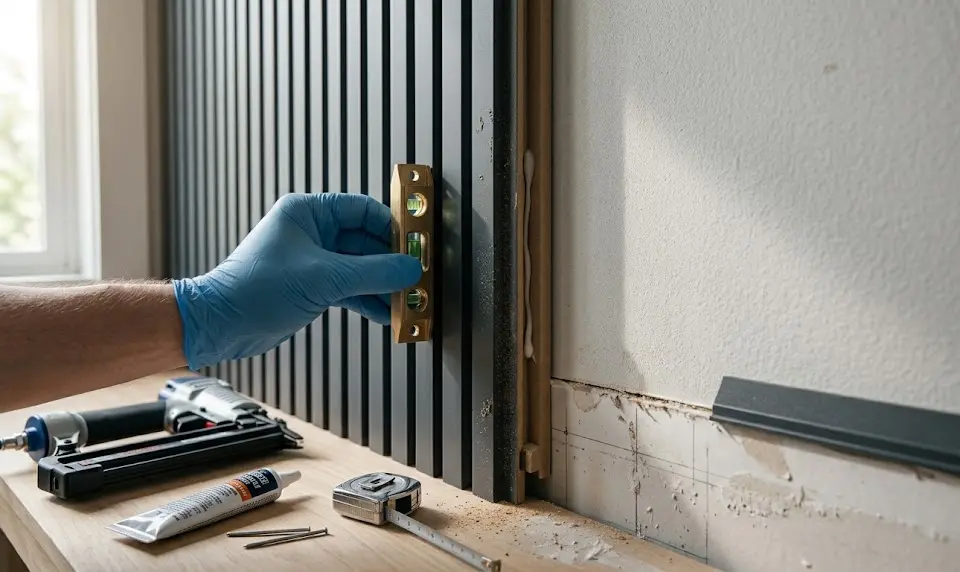
If you’re comparing suppliers or installers, always ask about the panel core (MDF, real wood, WPC), finish type, and precise acoustic ratings (NRC/STC). For like-for-like quotes, request the same thickness and whether price includes acoustic backing and professional fitting. Check our home improvement tips guide if you want more on project prep.
Acoustic performance, pitfalls, and comparison table
Acoustics are the biggest functional reason to invest in wood slat wall panels or fluted wall panels, but specs differ sharply by material and build:
- NRC (Noise Reduction Coefficient): Reflects how well a panel absorbs sound and reduces echo. NRC of 1.0 is the maximum.
- STC (Sound Transmission Class): Measures how much sound is blocked from passing through the wall (good for privacy and home theaters).
Wood-slat acoustic panels generally hit NRC values between 0.6–0.9 and STC ratings of 30–45 depending on the thickness and backing type. 3D laminate fluted panels are mostly decorative, showing NRC around 0.4–0.6 and STC in the mid-20s (source). For most living rooms, hitting NRC 0.6 or above will noticeably cut echoes and make conversation easier.
Common pitfalls—hear from real users:
- Substrate Flatness: Wavy, patched, or old plaster walls show every imperfection with fluted wall panels—use skim coat or new drywall for best results.
- Alignment Issues: Tongue-and-groove slat panels need precise fitting; small errors snowball down the wall. Simple room updates can help offset these flaws visually but not structurally.
- Adhesive Mess: Glue seepage into flutes or visible glue lines is common with inexperienced installers. Prevention is easiest—painter’s tape, precise squeeze, and wiping excess immediately.
- Heavy Slats Pull Away: Heavier wood slat wall panels need nails, especially above fireplaces or on tall feature walls. Adhesive-only installs often fail here (source).
- Outlet/Trim Cutouts: Use a multi-tool with a fine blade or down-facing pull saw. Veneers chip easily—mask the cut line and go slow.
- Cleaning Flutes: Deep fluted wall panels attract dust and cobwebs (source). Use a microfiber brush, not wet cleaners, especially on MDF or wood veneer.
Check our living room accent chair guide for more tips on pairing panels with other statement pieces.
| Feature | 3D Laminate Fluted Panels | Wood Slat Wall Panels |
|---|---|---|
| Core Material | MDF or WPC, mostly decorative | MDF, solid wood, or veneer over acoustic backing |
| NRC (Acoustic) | 0.4–0.6 | 0.6–0.9 |
| STC (Sound Blocking) | Mid-20s | 30–45 |
| Maintenance | Wipeable, easy to clean, less repairable if scratched | Can be patched/re-touched, more prone to surface damage |
| Recommended Uses | Accent walls, tight budgets, low-traffic rooms | Theaters, offices, noisy living rooms, feature walls needing real sound control |
For more advice on matching finishes and features, visit our butcher block countertop guide.
Conclusion: Decision-making for fluted wall panels
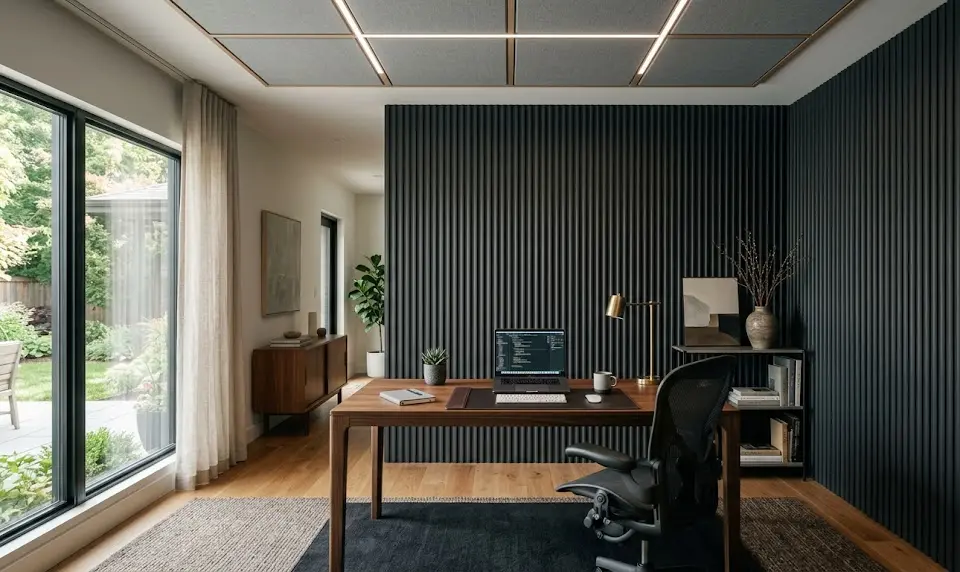
With 2024’s surge in demand, both fluted wall panels and wood slat wall panels go beyond looks—they’re strategic upgrades for acoustic comfort, resale value, and day-to-day enjoyment in living rooms or home offices. Choose fluted wall panels when you want statement-making texture and easier cleaning in lower-traffic spaces, and invest in wood slat wall panels if superior sound absorption and durability matter most. Compare quotes using NRC/STC values, core types, and required fastenings, or consult pros for a seamless, long-life result that stays beautiful. Ready to take the next step? Request a quote or product sample today and see which fluted wall panels elevate your home best.
FAQs: Fluted Wall Panels
Will fluted wall panels make my room smaller?
Fluted wall panels add texture and depth, which can visually make small rooms feel cozier or, if flutes are deep/dark, slightly more compact. For lighter or more open looks, choose shallow, light-colored flutes and keep panel height below eye level.
Can I install fluted wall panels over plaster or drywall?
Yes—both fluted and wood slat panels can be installed over finished plaster or drywall, but surface must be flat. Use a combination of construction adhesive and nails for best results, especially for heavy wood slats.
How do I choose which NRC target is right for my space?
For living rooms or home offices where echo reduction is key, look for NRC 0.6 or higher. For home theaters or music rooms needing stronger sound absorption, aim for NRC 0.7 and above. Always confirm the acoustic backing, as that drives actual performance.
Do I need a professional installer or can I DIY?
If you’re handy with a saw and level and have a flat wall, medium DIYers can successfully install most panels. For full-room features, heavy wood slat panels, or precise acoustic specs, getting a pro installer is worth the cost to avoid seams, sagging, or performance loss.
What’s the best way to keep fluted panels clean long-term?
Use a microfiber duster or soft vacuum brush weekly. Avoid wet cleaners on MDF or wood veneer. For 3D laminates, gently wipe with a damp soft cloth—but never saturate seams or grooves.