

Clover lawn alternative is gaining attention among eco-smart, budget-conscious suburban homeowners who want a greener, less thirsty yard without endless fertilizers or costly upkeep. But making the switch takes real planning, honest cost/effort analysis, and a firm understanding of what you might gain—or lose—in the trade-off.
Key Takeaways
- Clover lawn alternatives can cut water and fertilizer bills but require realistic expectations around appearance, upkeep, and HOA approval.
- The most successful transitions use micro clover seeds in eco-lawn seed blends, paired with solid soil prep and early overseeding.
- Common pain points include patchy summer die-back, uneven looks, bee activity, and rules conflicts. Research your exact area before starting.
- Why homeowners are considering a clover lawn alternative now
- How to plant a clover lawn: Step-by-step guide
- Advanced analysis & common pitfalls
- Conclusion
- Quick FAQ: Clover lawns at a glance
Why homeowners are considering a clover lawn alternative now
Interest in clover lawn alternatives is growing steadily, but they’re still a niche movement. As of 2024, about 5 percent of U.S. homeowners had tried a clover-based lawn (either full clover or a grass-micro clover blend), up from about 1 percent in 2019—a pace of about 1 percentage point rise per year. This reflects practical motivations like shrinking water supplies, frustration with chemical inputs, and a desire to support pollinators and biodiversity [1].
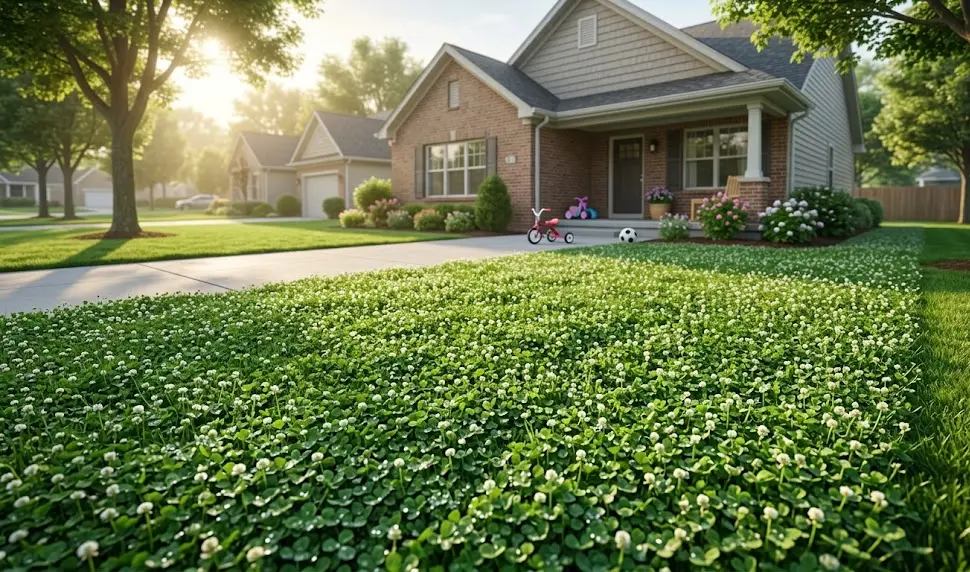
But make no mistake—most front yards on your block are still classic turf. The surge in clover interest is driven by cost pressures, drought headlines, and eco-values spreading faster than actual lawn conversions.
Homeowners cite clover lawns to:
- Reduce watering and fertilizer needs
- Avoid routine herbicide use
- Keep yards playable for kids and pets
- Attract pollinators for a healthier ecosystem
Still, a minority of U.S. yards have made the full switch, often due to concern over patchy summer look, bee stings, or neighbor/HOA scrutiny.
How to plant a clover lawn: Step-by-step guide
Success with a clover lawn alternative boils down to choices, prep, timing, and care. Here’s a practical guide based on university extension trials, major research reviews, and real-world experiences.
Step 1: Choose your conversion method
- Overseed method: Spread micro clover seeds into an existing lawn, then water lightly and mow high. Clovers fill the gaps over seasons.
- Blended seeding: Start fresh with a mix of micro clover seeds (typically 5-10%) plus cool-season grass in an eco-lawn seed blend.
- Full replacement: Remove all turf in one go and reseed just clover (or a clover-heavy blend) for total change. This is higher risk for patchiness year one.
Seed & Prep Quick Checklist:
- Micro clover seed rate: 1-2 lbs per 1,000 sq ft (as blend), or follow supplier label
- Overseed into: Short, scalped or aerated lawns (late fall or very early spring)
- Best timing: Early spring or late summer/early fall in temperate regions. Avoid peak summer heat.
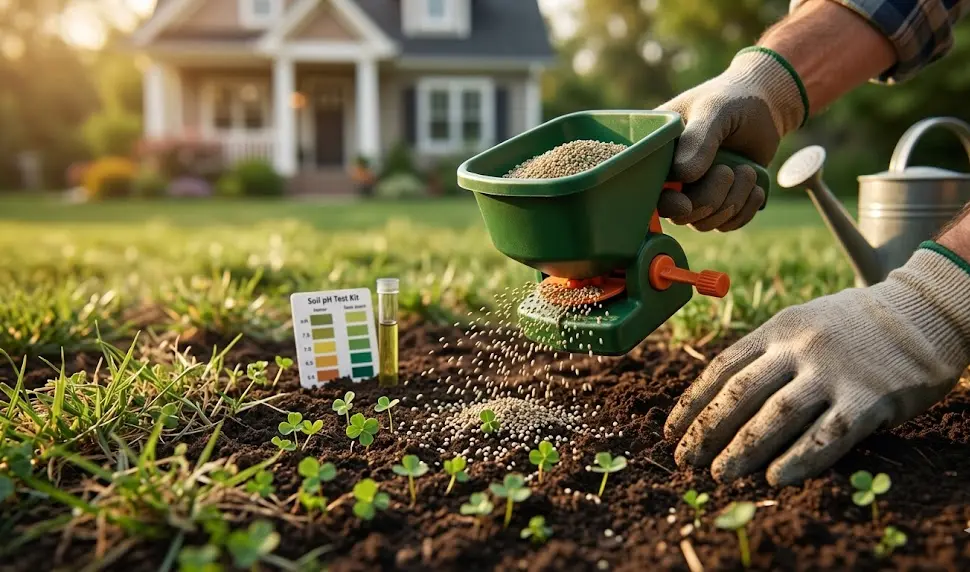
Step 2: Soil preparation
- Test and adjust pH to 6.0-7.0. Apply lime or sulfur as recommended.
- Rake away thatch, debris, or dense dead turf. Aerate if soil is compacted.
- If completely reseeding, lightly till or rough up top 0.5in of soil for better seed contact.
Step 3: Seeding
- Broadcast seeds evenly. Walk two directions for good coverage if needed.
- Rake or top dress lightly with fine compost (no more than 1/4in deep).
- Roll or tamp surface for firm soil–seed contact. Don’t bury seeds.
Step 4: Post-seeding care
- Lightly water daily (or keep moist) for 7-14 days until first true leaves appear.
- Reduce watering but don’t let seedlings dry out until 3–4 weeks old.
- Mow high (>3″), beginning only when clover and grass seedlings are 3-4″ tall.
Step 5: Year One Management
- Plan to overseed patchy spots after first summer—it’s normal to see bare areas early on.
- Fertilizer rarely needed, except for helping the grass in blends if grass appears thin.
For a more detailed breakdown, check out regional reseeding/turf guides and see what’s available locally at Lowe’s Home Improvement or Home Depot.
Seed Shopping List Example:
- Pipolina or Pirouette micro clover seeds (top micro clover seeds)
- Fine fescue blend or perennial rye grass (eco-lawn seed blend partners)
- Light compost/top dress and a broadcast spreader
Advanced analysis & common pitfalls
While replacing grass with clover can pay off in reduced bills and a healthier yard, there are trade-offs and frustrations that often catch homeowners off guard.
- Summer die-back: Micro clover seeds produce shallow-rooted plants with limited heat and drought tolerance. Expect partial browning or patchiness during midsummer, especially outside the cool Northeast/Midwest.
- Uneven or “weedy” appearance: As clover outgrows grass, expect visual differences in color and leaf shape. Not everyone loves the look; some see it as messy or unkempt [5].
- Bee activity: Clover attracts pollinators. This is win-win for biodiversity, but some families worry about bee stings (especially parents of barefoot kids or pet owners) [8].
- HOA/local code pushback: Some associations and city codes still demand monoculture grass or ban “weeds”—and clover often counts. Always secure written HOA permission before starting. Present before/after visuals where allowed.
- Ongoing spot overseeding: Especially year one, plan for patch repair after die-back or heavy play. Gaps otherwise invite invasive weeds.
Compare the input needs and maintenance of clover lawns to traditional turf using this table:
| Input | Traditional Turf | Clover Lawn Alternative |
|---|---|---|
| Water (Annual) | High (1–2″ per week) | Moderate to low (often <1″ per week after establishment; needs more during drought) |
| Fertilizer | 3–4x/season (synthetic N required) | Low to none (clover fixes nitrogen) |
| Mowing | Weekly at 2–3″ height | 2–4x/month at 3+” height |
| Herbicide Use | Common (for broadleaf weeds) | Rare (clover is itself a broadleaf; can’t use common herbicides) |
| Reseeding/Overseeding | Occasional (overseeding thin areas or after heavy stress) | Likely yearly (clover doesn’t always reseed true) |
For tailored maintenance tips, consider reviewing home improvement expert guides and leveraging tips from local landscaping professionals [3,4].

Conclusion
Switching to a clover lawn alternative is not flipping a switch—it’s an evolving project requiring smart seed selection, up-front soil prep, patience with patchiness, and ongoing spot overseeding. You’ll almost certainly save on chemical inputs and water, and your yard will support pollinators in a way turf never could. But you’ll also need to accept a less “perfect” look and manage seasonal surprises and approval with your neighbors or HOA.
Ready to start? Evaluate your climate, test your soil, select your micro clover seeds and eco-lawn seed blends, and begin the conversion on a small test zone. For full supply checklists, local store guidance, or to compare other sustainable upgrades, check Lowe’s Home Improvement Upland or read more budget-friendly home project ideas. Make sure you’re clear on HOA and local rules, and don’t hesitate to talk to neighbors before you plant your first seeds.
Quick FAQ: Clover lawns at a glance
Will a clover lawn stand up to kids, pets, and play?
Yes—for most moderate play and pets, clover lawns remain green and resilient (sometimes more so than thinned-out turf). Heavy traffic may cause patchiness, but annual overseeding helps. Dog urine can spot clover less than for turf grass.
How can I reduce bee stings in a clover lawn?
Mow regularly (before heavy blooming) in high-traffic kid/pet areas. Consider using less-blooming microclover varieties (like Pirouette or Pipolina). Bee presence is a sign of ecosystem health but can be managed.
Will my HOA or city allow a clover lawn?
Some won’t. Many HOAs require grass or ban “weeds”—including clover. Check your covenants and get approval in writing. Mowing edges sharp, keeping a blend look, or using a partial conversion can sometimes help.
Does clover look good in winter? Will it go brown?
Most clover is green in cool months in temperate zones but can go dormant and brown if exposed or in extreme cold. Blending with cool-season grass helps maintain year-round coverage.
Do I have to reseed every year?
Some spot reseeding is normal, especially after the first summer and in high-use areas. Microclover doesn’t always reseed itself perfectly—plan for light overseeding each spring or fall for full, consistent cover.