

Heat Pump Water Heater Rebate programs in 2024 can slash thousands off your upfront cost for a smart hybrid or high-efficiency tankless water heater—if you know how to stack every available incentive. This complete, no-nonsense guide breaks down exactly how to maximize savings, which paperwork to collect, the most common rebate mistakes to avoid, and the easy scripts to use with contractors to secure every dollar you’re owed.
Key Takeaways
- Stacking federal, state, and utility Heat Pump Water Heater Rebates can reduce your out-of-pocket cost by $2,000–$5,000 in 2024.
- Qualifying models and professional installation are usually required—self-installs can often disqualify you from major rebates.
- Missing documentation or not following each program’s timing rules is the top reason incentives are denied—use the step-by-step checklist below.
- Why 2024 Is a Prime Year to Upgrade
- Step-by-Step Guide to Stacking Heat Pump Water Heater Rebates
- Advanced Analysis & Common Pitfalls
- Conclusion & Next Steps
- FAQ: Heat Pump Water Heater Rebate
Why 2024 Is a Prime Year to Upgrade
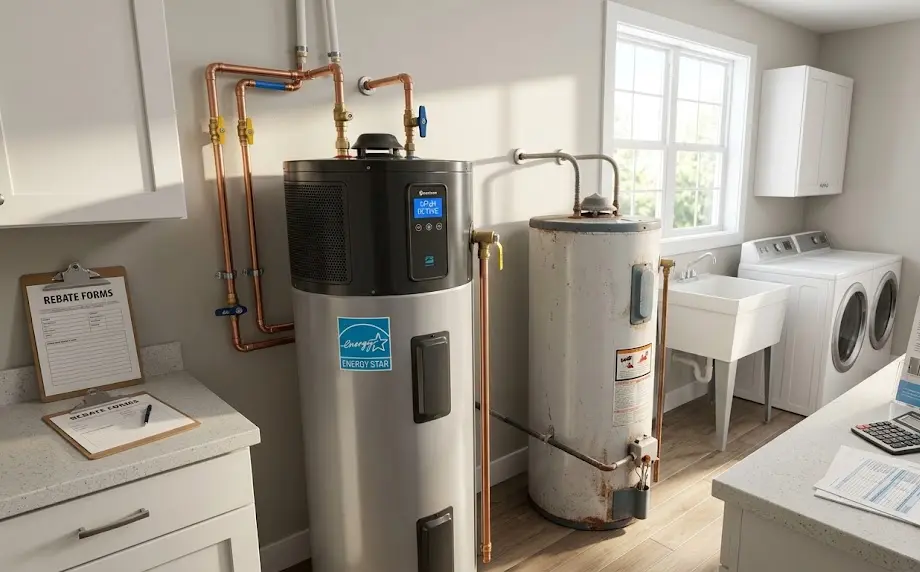
2024 is hands down the best time to upgrade to an energy-efficient water heater, thanks to an unprecedented stack of heat pump water heater rebate offers. The Federal Energy Efficient Home Improvement Credit gives you 30% back on eligible equipment and installation costs (up to $2,000, claimed as a tax credit). There’s also the new High-Efficiency Electric Home Rebate of up to $1,750 for ENERGY STAR models. Many utilities and states, such as PSE in Washington ($750), CRPUD in Oregon ($1,500–$2,200), and SMUD in California (up to $4,000), have expanded rebates for heat pump water heater installation, especially for replacing gas or standard electric units. With most programs set to expire or shrink after 2025 and funds allotted first-come, first-served, waiting means leaving money on the table.
Step-by-Step Guide to Stacking Heat Pump Water Heater Rebates
Here’s exactly how to get the maximum eco water heater incentives with minimum frustration, no matter where you live.
- Check all available incentives:
– Local utility Heat Pump Water Heater Rebate Pages
– State/municipal programs (search “[Your State] energy efficient water heater rebate” or see national rebate directories)
– Federal programs like the Energy Efficient Home Improvement Credit - Confirm eligibility: Choose a model from the BPA/ENERGY STAR qualified list. Confirm your project is NOT new construction, as most programs only apply to retrofits.
- Get at least 2–3 contractor quotes: Ask specifically:
- Are you licensed to install HPWHs and familiar with required paperwork?
- Which models qualify for my rebates?
- Will you provide all install documentation and photos?
- Reserve rebates (if required): Some utilities (like SMUD) require you to claim or reserve the rebate before starting work. Do this step before the installation!
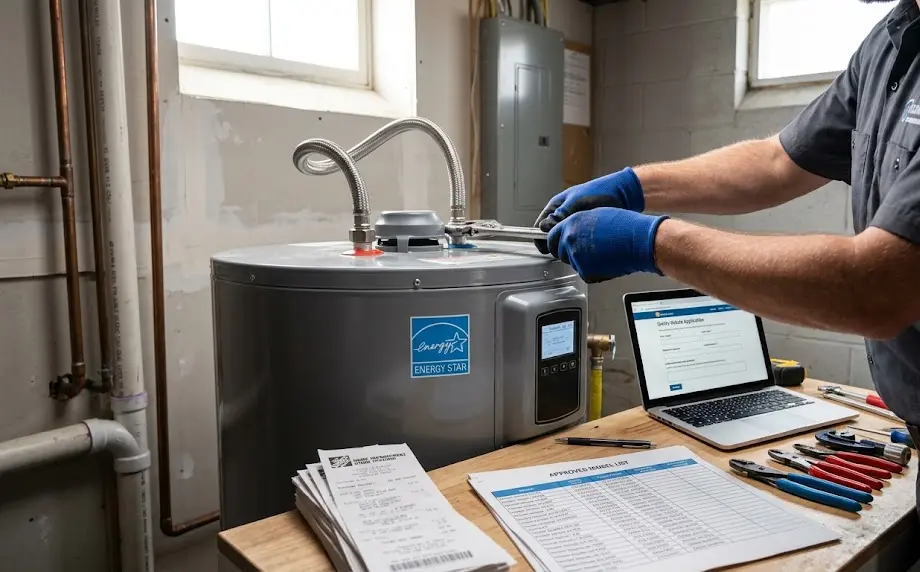
- Schedule installation with all documentation in mind: Take date-stamped photos of removal, installation, and serial numbers. File or keep receipts and permit info.
- Stack incentives in this order:
- Apply for and get local/utility rebates (usually mail-in with installation photos and receipts).
- Claim your federal tax credit when you file taxes (form 5695 for Energy Efficient Home Improvement Credit—save all receipts and proof).
- Look for manufacturer promotions last (verify they can stack).
- Follow up: Rebates can take 4–16 weeks. Track applications, submit additional docs promptly, and check status if you don’t hear back.
- Downloadable Eligibility & Documentation Checklist at the end of this post.
Mini Case Study: How Stacking Works in Real Life
Sarah and Mark’s Upgrade (PSE Customer, Family of 4)
- Smart Hybrid Water Heater: $1,700 (installed)
- PSE Utility Rebate: $750
- Federal Tax Credit (30% of $1,700): $510
- OEM promotion: $150 Visa Prepaid Card
- Total out of pocket: $1,700 – $750 – $510 – $150 = $290
- Estimated annual energy bill savings: $600
- 10-year net savings (factoring $80/yr filter maintenance): $6,000+
This quick payback is achievable in many regions! Your own mix may vary by state, but most readers will get at least $2,000 back by stacking.
For smart shopping resources, you can also check out this home improvement tips guide or browse Lowe’s Home Improvement in your area, as many retailers post local rebate flyers.
Advanced Analysis & Common Pitfalls
Even with the best eco water heater incentives, the biggest reason homeowners lose out is not following rules. Here’s what to watch for, with a side-by-side comparison table to help you navigate state and utility rebate variations.
Common Pitfalls (And How to Avoid Them)
- Self-installation: Most heat pump water heater rebates require licensed contractor installation. DIY jobs often void all but the federal tax credit.
- Wrong product/model: Systems not on approved lists (such as the BPA Qualified Products database) will be denied. Double-check serial/model numbers.
- Late paperwork: Many programs have a 30–90 day application window after installation. Missing this deadline means $0 incentive.
- Combining instant rebates and utility rebates: Some utilities (e.g., CPI) will NOT allow you to combine instant retailer rebates with their own; always read fine print.
- New construction ineligibility: Rebates are for retrofits only. New builds almost never qualify.
- Sizing and space requirements: Smart Hybrid Water Heater units are larger than tanks they replace—verify clearance before committing.
- Electrical upgrade costs: Panel or circuit upgrades can add $500–$1,200; some utilities cover these if included in the application (e.g., SMUD, TECH Clean CA).
| Program Type | Key Requirements | Typical Amount | Timing | Can Stack? |
|---|---|---|---|---|
| Federal Tax Credit (Energy Efficient Home Improvement Credit) | Residential, existing home; equipment + install; model must be on eligible list | 30% up to $2,000 | File with tax return in following year | Yes, with utility & state |
| State/Utility Rebates (e.g. PSE, CRPUD, SMUD) | Must use licensed installer, model on approved list, non-new construction, proof within 30–90 days | $750 – $4,000 | Usually post-install, 30–90 days window | Usually yes, but not with retailer instant rebates |
| Manufacturer Promotions | Limited time, specific models, may require serial photo and online claim | $100 – $300 | Varies (submit after purchase) | Variable; check T&Cs |
Eligibility & Documentation Checklist
- Choose an approved model (check BPA, ENERGY STAR, or local utility lists)
- Hire a licensed contractor (get a written estimate with their license number)
- Collect all install and purchase documents (invoices, contractor certification, model/serial photos, installation photos)
- Submit completed application within stated deadline (usually 30–90 days)
- One rebate per home/site; new builds are rarely eligible
Conclusion & Next Steps
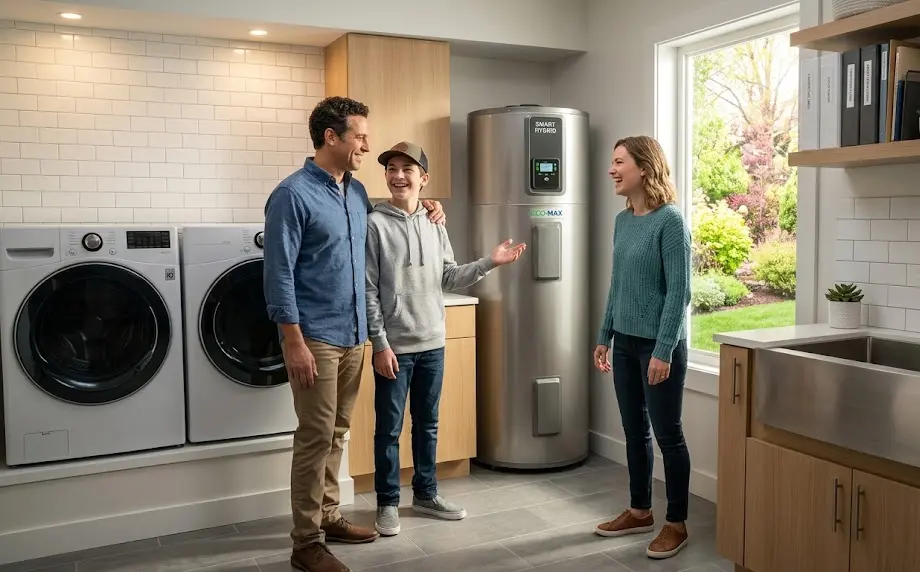
Stacking heat pump water heater rebates in 2024 is the most powerful way to cut upfront costs and utility bills fast. By closely following eligibility rules, getting your documentation in order, and using the step-by-step sequence above, most homeowners can reduce their net cost by $2,000–$5,000—and enjoy annual energy savings of around $600 per year. Don’t miss out: start today by checking utility offers, getting at least two licensed contractor quotes including approved model numbers, and organizing your purchase receipts for the federal tax credit. Bold savings, better comfort, and a cleaner home are just a few steps away.
Ready to upgrade? Reference these strategies the next time you visit a Lowe’s Home Improvement or Home Depot and speak with your installer. For more energy-efficient home upgrades, see our home improvement tips or discover affordable remodel resources near you. Take charge—and save big.
FAQ: Heat Pump Water Heater Rebate
Do installation labor costs count toward the federal tax credit?
Yes. For the Energy Efficient Home Improvement Credit, both equipment and installation (labor) costs are eligible for the 30% credit up to the $2,000 limit. Be sure to keep itemized invoices as documentation.
Can I install a heat pump water heater myself and still get rebates?
Only the federal tax credit allows self-installation in some cases. Most state and utility rebates require installation by a licensed contractor. DIY installs generally void all local incentives.
What happens if I miss the 30–90 day rebate application deadline?
You may forfeit your rebate. Most programs are strict on timing. Submit all required documentation as soon as installation is complete to avoid denial.
Can I combine an instant in-store rebate with a utility mail-in rebate?
Usually no. Utility mail-in rebates often prohibit stacking with retailer instant rebates. Always read the rebate terms or call your utility before buying.
Are heat pump water heaters really cheaper to run than standard electric or gas?
Yes—they typically use 50–70% less energy than standard electric models, translating to $500–$600 in savings per year for most single-family homes. High efficiency tankless models show similar savings over standard tanks.