

### Blog Post:
Peel and stick backsplash tiles are one of the fastest ways to update kitchens and bathrooms on a budget, appealing to renters and homeowners alike looking for a hassle-free DIY upgrade. But do these self-adhesive tiles hold up to everyday life, and what do you need to know before trying them?
Key Takeaways
- Peel and stick backsplash tiles deliver quick, affordable updates but require careful prep for best results.
- Expect some limitations—adhesion, water resistance, and removal can be problematic if not handled properly.
- DIY installation is simpler than with traditional tile, but paying attention to details prevents most common issues.
- What Are Peel and Stick Backsplash Tiles and Why Are They So Popular?
- How to Install Peel and Stick Backsplash Tiles: Step-by-Step
- Advanced Analysis & Common Pitfalls with Peel and Stick Backsplash Tiles
- Conclusion
- FAQ: Peel and Stick Backsplash Tiles
What Are Peel and Stick Backsplash Tiles and Why Are They So Popular?
Peel and stick backsplash tiles are thin, often vinyl-based tiles with pre-applied adhesive backing, designed to stick directly onto clean walls without grout or mortar. Their main appeal is ease of installation—no need for special tools, drying time, or professional help. Just peel away the backing and press onto the wall.
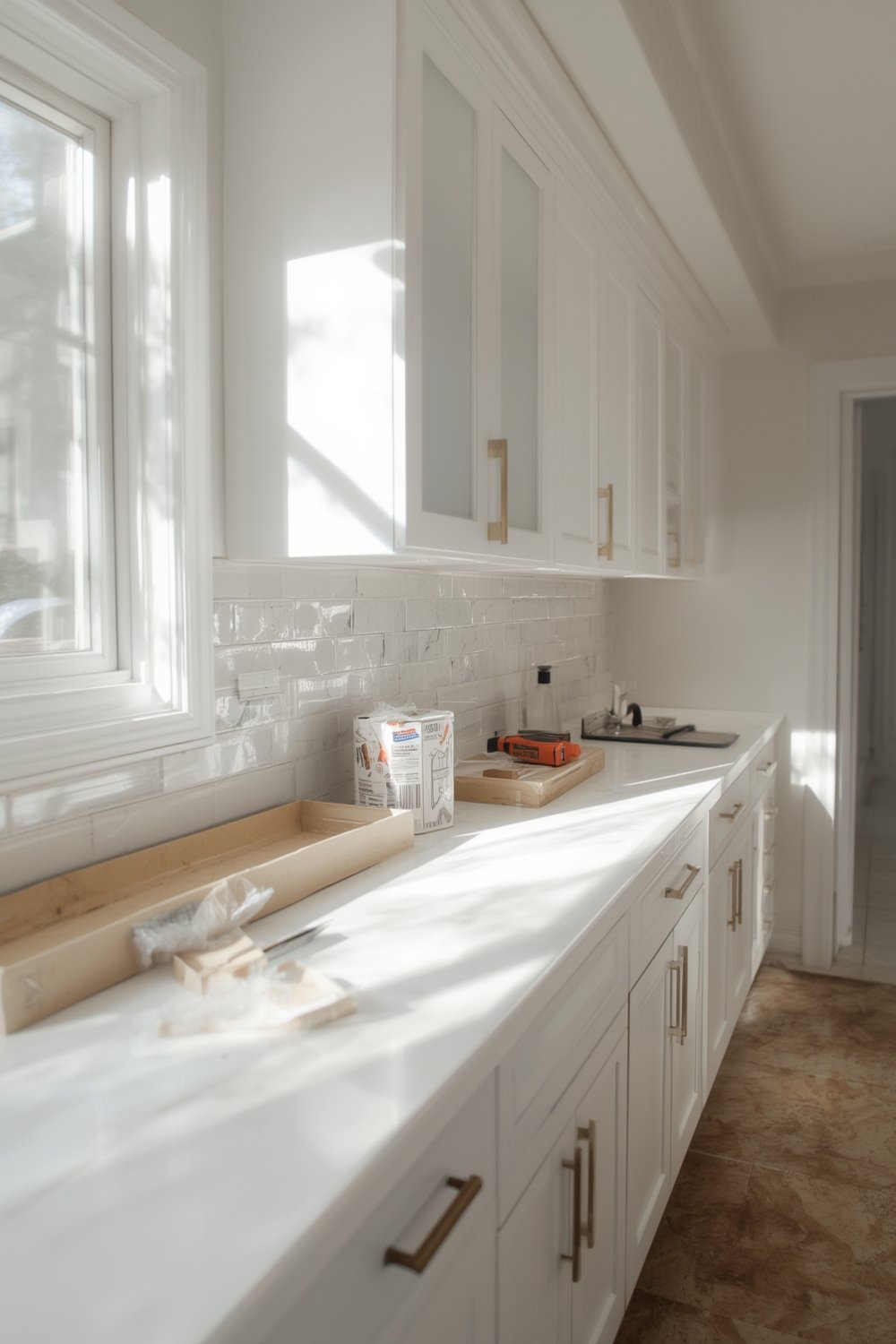
This simplicity has fueled explosive market growth. Globally, the peel and stick backsplash tile market was valued at $1.2 billion in 2023 and is projected to reach $2.5 billion by 2032, with a CAGR of 8.5% from 2024 to 2032 (source).
Post-pandemic, both homeowners and renters want fast, no-mess updates. E-commerce and new adhesive technologies have made it easier than ever to order and install these tiles without professional installers—especially with vinyl options dominating the sector due to improved durability (source).
Peel and stick tiles are especially attractive for:
- DIYers new to tiling
- Renters wanting removable décor
- People on a budget
- Anyone seeking a fast, clean aesthetic change in a kitchen, laundry, or bath
If you’re curious about tech-driven home updates beyond tiling, check out our Ultimate Smart Home Upgrades & Pet-Friendly Furniture roundup for practical ideas.
How to Install Peel and Stick Backsplash Tiles: Step-by-Step
Installing peel and stick backsplash tiles can take less than a day. Still, attention to prep and layout makes a huge difference in the final look and how well your tiles last.
- Prep the Surface
- Clean the wall thoroughly with degreaser. Dry completely.
- For best adhesion, sand glossy paint lightly and wipe away dust.
- Patch holes or cracks for a flat, smooth surface.
- Layout and Planning
- Measure and mark a level line using a straight edge.
- Dry-lay a row or two to visualize the pattern and check for awkward end cuts.
- Plan your tile placement to minimize small slivers at corners/outlets.
- Cut Tiles
- Score with a utility knife and snap, or use scissors for vinyl tiles.
- Test-fit tricky cuts before removing the adhesive liner.
- Use a hole saw or sharp blade for cutting around outlets.
- Apply the Tiles
- Peel backing, press tile firmly starting from one end—smooth out air bubbles as you go.
- Butt tiles tightly for a groutless finish, or use manufacturer spacers where included.
- Apply pressure along edges to ensure complete adhesion. Use a small roller for best results.
- Finishing Touches
- Seal edges with clear caulk where tiles meet sinks, counters, or stoves to help with water resistance.
- Wipe off any adhesives or fingerprints with a damp, lint-free cloth.
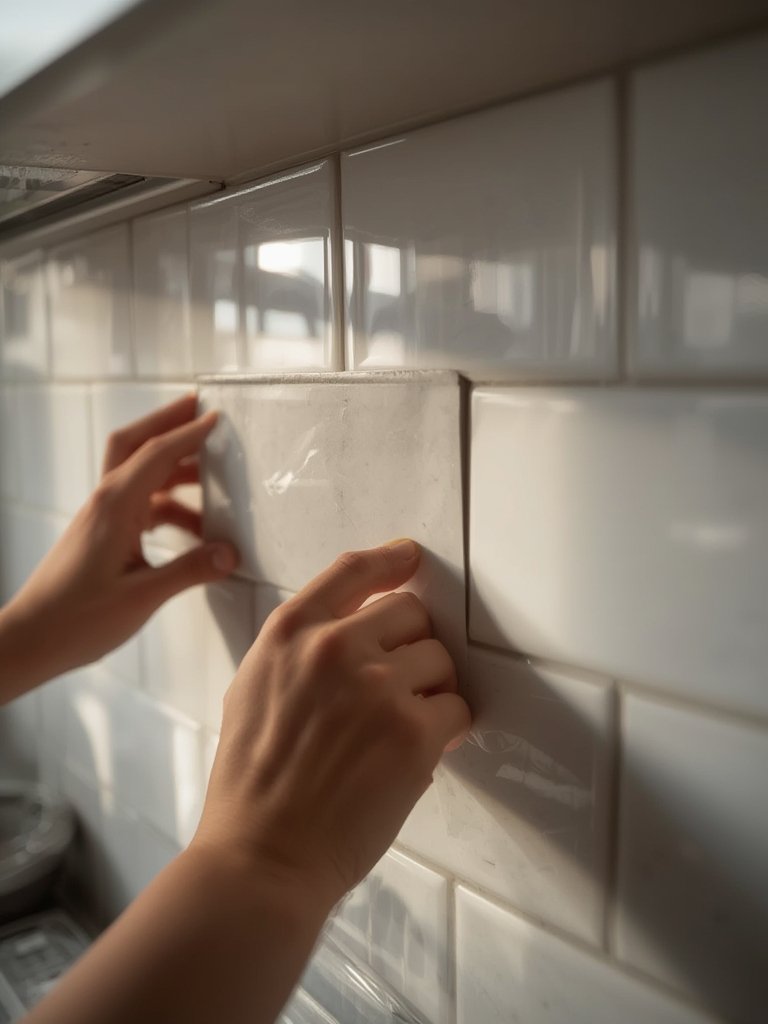
Avoid pressing too hard on delicate walls (like painted drywall in rentals), which might cause denting. For renters, apply painter’s tape to the area first for an extra layer between tile and wall if removability is a top priority.
If you’re planning pet-safe upgrades or integrating backsplash tiling into a kitchen overhaul, our Pet-Friendly Furniture Guide will help you select surfaces that match both style and low-maintenance living.
Advanced Analysis & Common Pitfalls with Peel and Stick Backsplash Tiles
While peel and stick tiles offer exceptional convenience, they’re not without drawbacks. Based on market research (source), here’s what you need to watch for:
- Adhesion Issues: Poorly prepped surfaces (grease, dust, or excessive texture) reduce stickiness, causing tiles to lift or peel after a few months.
- Water Resistance: Most vinyl peel and stick tiles resist splashes, but unchecked water or frequent soaking (as behind a sink or stove) can loosen adhesive or cause mold between seams.
- Heat Resistance: Not all products are rated for high-heat areas. Extreme heat (above 120°F) may cause warping or softening. Always check official product specs for cooktop backsplashes.
- Removal Damage: Especially in rental spaces, aggressive adhesives can remove paint or drywall paper when peeled off. Low-tack varieties or a removable base layer help—but always test in an inconspicuous spot first.
- Heavy/Stone Tiles: “Peel and stick” doesn’t mean weightless. Stone or glass tiles may sag or detach if not specifically rated for the substrate or if improperly installed (source).
- Surface Limitations: Adhesion is best on smooth, clean, painted drywall—avoid porous, textured, or damp surfaces.
For those comparing costs or considering traditional tile, here’s an at-a-glance comparison:
| Aspect | Peel and Stick Backsplash Tiles | Traditional Tile Backsplash |
|---|---|---|
| Materials Cost (average, per sqft) | $5 – $15 | $10 – $50 |
| Labor Cost | DIY (no professional needed) | $30 – $80+ per hour |
| Durability/Lifespan | 3 – 7 years (can vary, usually not permanent) | 10+ years (often outlasts décor trends) |
| Removability | Usually easy, risk of paint/wall damage | Destructive (requires demo and repair) |
| Water/Heat Resistance | Moderate (varies – check product) | High |
For more ideas on combining practical home improvement with smart tech, explore our Best Smart Home Devices for Pet Owners (2026 Buyer’s Guide) and Smart Yard & Garden Gadgets resources.
Conclusion
Peel and stick backsplash tiles deliver a fast, affordable makeover for kitchens and bathrooms—perfect for easy upgrades and even as a DIY rental solution. While installation is straightforward, success depends on careful surface prep and smart placement. For lasting results and minimal frustration, know your product’s limitations, especially with adhesion and water exposure. If you need more home or pet-friendly DIY inspiration, visit our guides on pet-friendly backyards or smart safety upgrades. Ready for your own update? Start exploring the best peel and stick backsplash tiles for your space and get creative today.
FAQ: Peel and Stick Backsplash Tiles
Are peel and stick backsplash tiles waterproof?
Most vinyl peel and stick backsplash tiles are water-resistant, not fully waterproof. They’re fine for splashes but may fail under heavy, prolonged moisture (like direct sink spray).
Can I install peel and stick backsplash tiles over old tiles or textured walls?
It’s possible, but adhesion is best on flat, smooth, and clean surfaces. Old tiles and heavy textures may cause early lifting or unevenness.
Will peeling the tiles off damage my walls?
There’s a risk, particularly if the adhesive is strong or the wall wasn’t properly sealed or primed. Test a small area first and use gentle heat (like a hair dryer) during removal to minimize damage.
How do peel and stick options compare in cost to traditional tile?
Peel and stick backsplash tiles usually cost much less overall—materials and zero labor charges. Traditional tile offers longer durability, but comes with high labor and a long install process.
Are peel and stick tiles good for high-heat or outdoor areas?
Most are not. Only use products specifically rated for those conditions. High heat from stovetops or outdoor exposure can cause warping, melting, or detachment.
—