

Peel and stick backsplash tiles are transforming kitchens and bathrooms by making it possible to upgrade walls quickly—without the mess or tools of traditional tile.
Key Takeaways
- Peel and stick backsplash tiles offer a fast, DIY-friendly alternative to traditional tile—ideal for renters or homeowners on a budget.
- While waterproof claims exist, buyers should be aware of limitations and the lack of standard technical certifications.
- Long-term durability and removal without wall damage are the main user pain points—choose products wisely and install with care.
- What Are Peel and Stick Backsplash Tiles—and Why Use Them?
- How to Install Peel and Stick Backsplash Tiles: Step-by-Step
- Advanced Analysis: Pitfalls, Realistic Problems, and Comparisons
- Conclusion
- Frequently Asked Questions
What Are Peel and Stick Backsplash Tiles—and Why Use Them?
Peel and stick backsplash tiles are adhesive-backed panels made from vinyl, glass, or metal composites designed to mimic real tile. Their main appeal is in their speed: skip grout, skip special tools, and transform a wall in an afternoon. The global market is projected to reach $2.5 billion by 2032, growing at an 8.5% CAGR, driven by the desire for quick DIY projects, lower costs, and a wide range of aesthetic options [source].
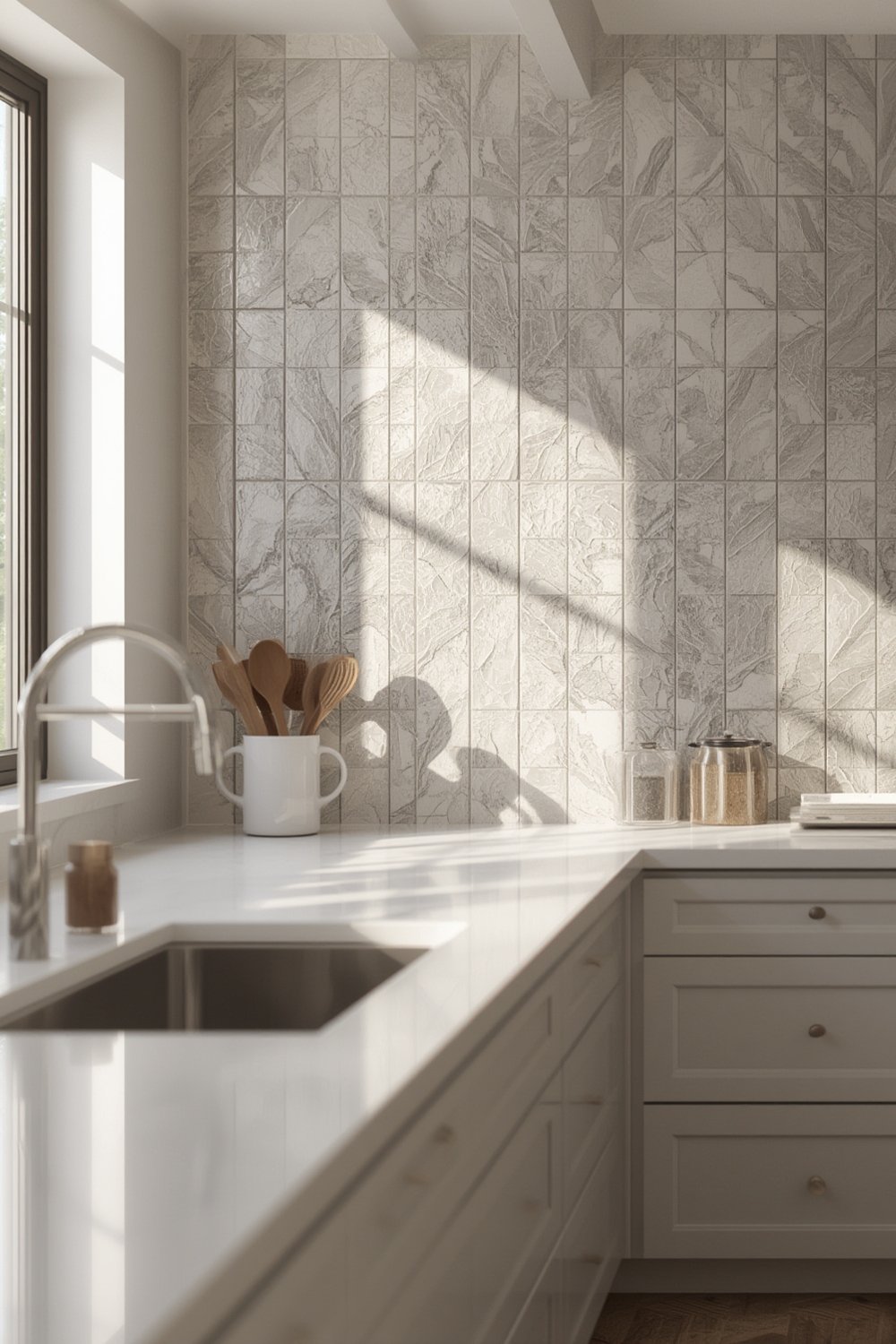
Markets like North America lead the adoption due to strong DIY culture, and younger homeowners appreciate the affordability and removable nature—making them especially popular in rentals. Many modern smart home upgrades now factor in peel and stick backsplashes as an easy aesthetic fix, often paired with other low-impact renovations.
The benefits are real: designs that mimic real ceramic, stone, or glass, new releases made from more sustainable vinyl, and adhesives that keep improving. No need to hire a contractor, buy wet saws, or deal with grout haze. The process is accessible to most DIYers, even complete beginners.
How to Install Peel and Stick Backsplash Tiles: Step-by-Step
Installing peel and stick backsplash tiles is a realistic DIY project, even if you have zero tiling experience. Here is a straightforward sequence to follow:
- Measure your wall area. Add 10% extra to cover mistakes and cuts.
- Thoroughly clean and prep the surface. Wash with a degreaser, let dry completely, and repair uneven spots. The cleaner and smoother the wall, the better the adhesion.
- Lay out tiles on the counter first to plan your pattern and minimize small slivers at corners.
- Peel the backing off the first tile. Carefully line it up along a level reference (laser level or pencil line), press firmly, and smooth from the center outward to avoid air pockets.
- Continue placing tiles, working row by row. Overlap or butt edges as designed for your specific tile style.
- Trim to fit: Use a sharp utility knife or scissors for vinyl tiles. Mark, score, bend, and cut slowly for clean results.
- Seal edges if desired. Some recommend a bead of clear silicone caulk along countertops or sinks for added moisture resistance—especially near water sources.
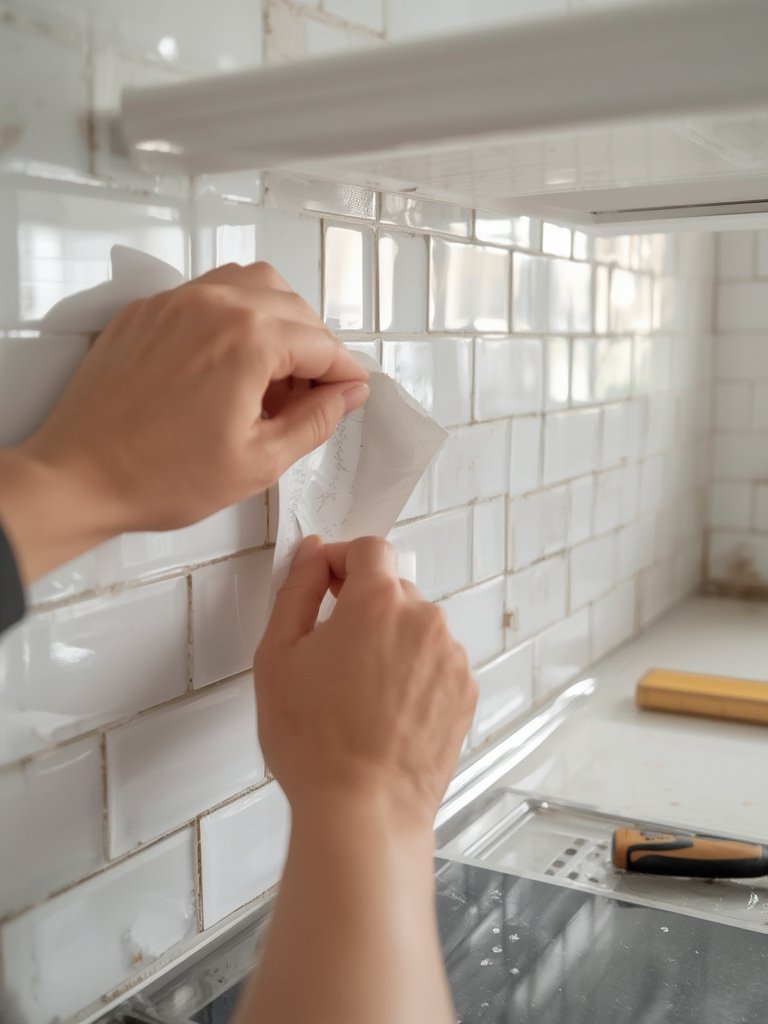
Most vinyl or composite styles can be cut right at home—no tile saw needed. Keep in mind the best adhesion happens on flat, non-textured, primed drywall or properly sealed surfaces. Applying over old tile is possible, but fill grout lines for a smooth base first.
If you’re working in a pet-friendly kitchen, check out our pet-friendly furniture guide for other upgrade ideas that complement easy-clean backsplashes.
Advanced Analysis: Pitfalls, Realistic Problems, and Comparisons
Despite the appeal, peel and stick backsplash tiles are not without real downsides. Here’s an honest look at known drawbacks, pain points, and how they stack up versus traditional tile:
| Feature | Peel and Stick Backsplash Tiles | Traditional Tiling |
|---|---|---|
| Installation Time | 1-3 hours for average-sized kitchen | 1-2 days (plus drying/grouting) |
| Tools Needed | Scissors, knife, level, cleaner | Tile saw, spacers, grout float, trowel |
| Waterproofing | Advertised as waterproof, but lacks industry standards; seal edges for best result | Fully waterproof when properly installed (grout, membrane, caulking) |
| Removal | Usually simple, but can damage paint or drywall if adhesive is strong or wall isn’t primed | Requires demolition; not renter-friendly |
| Durability/Lifespan | Varies—1 to 5 years typical; challenging in high heat or humidity, especially behind stoves | 10+ years possible; very tough if installed correctly |
| Cost | Lower: $8-$25 per sq ft (DIY all-in) | Higher: $20-$60 per sq ft (with labor) |
- Longevity concerns: While adhesives have improved, expect some edges to peel in high humidity or above stovetops. There is little third-party data proving multi-year performance [data insights].
- No official waterproofing rating: Most brands claim water resistance, but unlike ceramic tile, there is no universal certification. Use caution if installing in splash-prone or high-humidity areas.
- Removal can cause surface damage: Although marketed as removable, some users report peeled paint or drywall when taking tiles down—especially on unprimed or textured surfaces. Go slow, use a warm hairdryer to soften adhesive, and patch as needed.
- “Eco-friendly” claims are new: The trend toward recycled vinyl or low-VOC adhesives is positive, but demand proof. Check for specific certifications if indoor air quality or sustainability is important.
- Unaddressed issues: Cost comparisons, detailed waterproofing specs, and true user complaint frequencies are rarely covered in top-ranking articles. For a genuinely pet-friendly home, review our smart home upgrades for further inspiration.
Peel and stick backsplashes are best for quick makeovers, rentals, or spaces where the “real tile experience” isn’t required. In permanent, high-steam, or splash-heavy installations, weigh the pros and cons or combine with other durable solutions like washable paint. If you’re interested in low-maintenance living areas, our breakdown of low-maintenance backyard ideas can help you take the no-fuss approach outside.
Conclusion
Peel and stick backsplash tiles deliver fast results, affordable upgrades, and plenty of style—with less mess and effort than traditional tile. Pay attention to surface prep, watch for moisture around sinks or stoves, and temper expectations for ultra-long-term durability. Peel and stick backsplash tiles are best for renters, DIYers, and those craving a quick change—but still require careful application. Ready for a new kitchen or bathroom look? Start your project today and enjoy the possibilities.
Frequently Asked Questions
Are peel and stick backsplash tiles really waterproof?
Most brands advertise as waterproof or water-resistant, but there are no standardized industry certifications. For better protection, seal tile edges with a clear silicone caulk—especially near sinks or stoves. Avoid direct, constant water exposure as you would with any wall vinyl.
Can peel and stick tiles be used behind a stove?
Many brands specify their product as heat-resistant, but extreme heat can weaken adhesives over time. Install with care and consider additional heat shields if placing behind gas cooktops.
Will removing peel and stick backsplash damage my wall?
Peel and stick tiles are marketed as removable, particularly for renters. Removal from primed, smooth surfaces is often clean. On painted or drywall surfaces, use heat and go slowly—some damage or adhesive residue is possible and may require patching or repainting.
How do I know if my wall is ready for peel and stick tiles?
Start with a clean, dry, smooth surface. Remove grease, repair any holes, and sand rough spots. If installing over existing tile, fill any grout lines for best adhesion. Glossy finished walls should be lightly sanded to help the backing stick better.
How long do peel and stick backsplash tiles last?
Durability depends on brand and location. Most hold up 1‒5 years in a typical kitchen, but performance in high-humidity or hot zones can be less. Traditional tile lasts longer but demands more investment and skill up front.