

Mushroom insulation material (mycelium-based) is capturing attention for its natural fire resistance, low energy manufacturing, and eco-friendly promise as a building insulation innovation. But is it the right choice for your home, remodel, or green project? This article dissects research data, real-world limitations, and what you actually need to know before jumping on this buzzworthy alternative.
Key Takeaways
- Mushroom insulation material (mycelium-based) matches many properties of fiberglass, but real-world performance data is limited.
- It delivers strong fire resistance (ASTM E84 Class A) and helps lower both energy use and manufacturing emissions.
- Upfront costs and long-term field reliability remain under-reported—consider these factors when evaluating mycelium insulation for your property.
- What Is Mushroom Insulation Material and Why Does It Matter?
- How to Evaluate, Select, and Install Mushroom Insulation Material
- Advanced Analysis & Common Pitfalls
- Conclusion
- Frequently Asked Questions
What Is Mushroom Insulation Material and Why Does It Matter?
Mushroom insulation material (mycelium-based) is an innovative bio-composite made from the root structure (mycelium) of fungi grown on agricultural byproducts. Unlike conventional insulation (which relies on mining, fossil fuels, or high-temperature processes), mycelium insulation self-assembles during incubation, then gets heat-treated for safety.
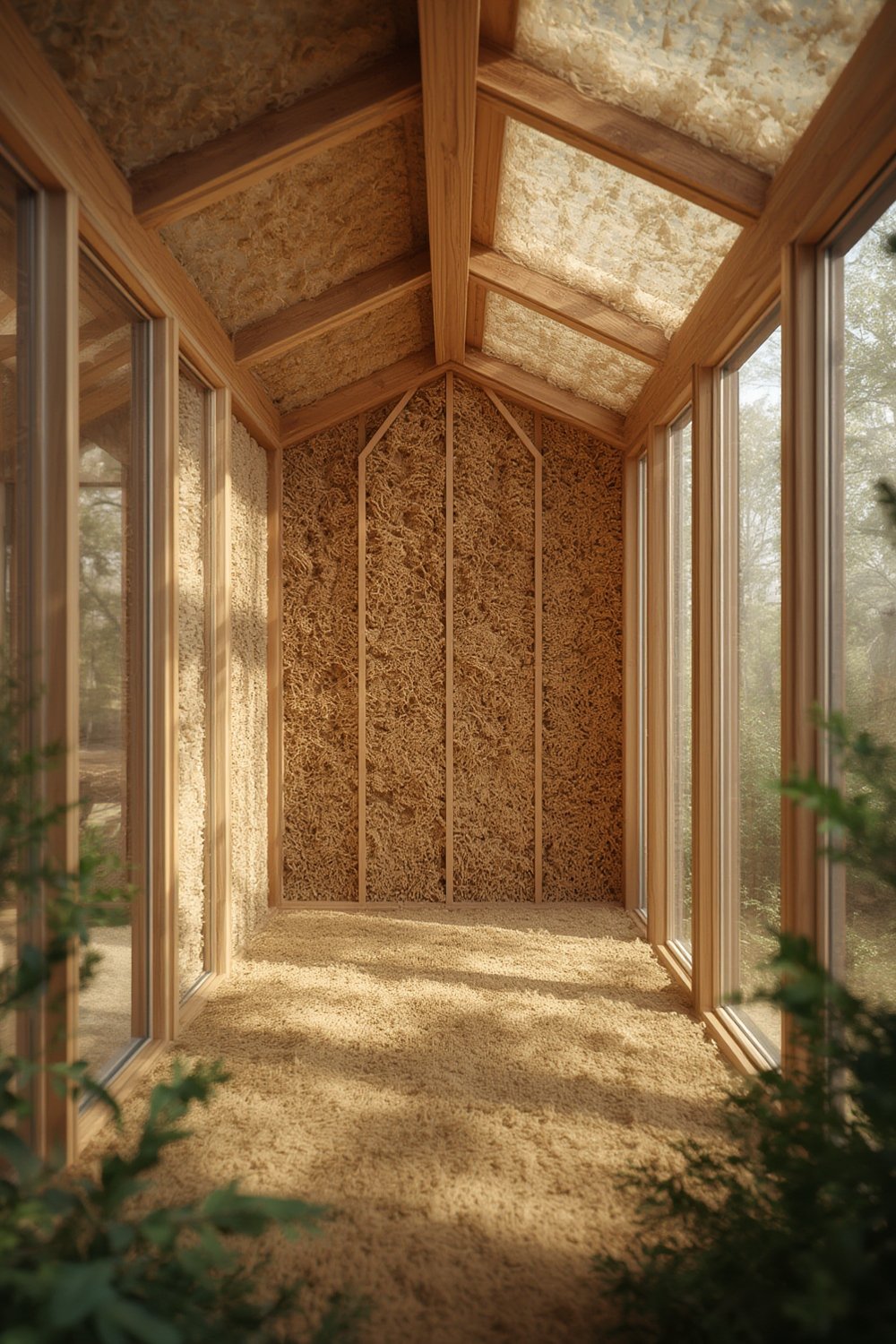
This material is designed to meet the most stringent fire safety codes (ASTM E84 Class A and Euroclass B), offering R-values of R-3 to R-4 per inch—similar to fiberglass but lower than some rigid foam boards. Industrial and academic research consistently show drastically reduced manufacturing energy needs: up to 70 percent less compared to synthetic insulation (source).
The environmental impact is a major reason why mycelium insulation is trending. It’s compostable, ultra-low carbon, and uses farm waste instead of resource-intensive polymers. If you’re interested in the intersection of sustainable materials and smart home efficiency, you may also like our guide on AI smart thermostats to further boost your energy savings.
How to Evaluate, Select, and Install Mushroom Insulation Material
While few full-scale home installations are documented, you can still make evidence-based decisions based on current research and production data.
- Clarify Your Needs: Determine where you’ll use mushroom insulation material—walls, attics, or floors—and required R-value per local code.
- Research Providers: Mycelium insulation is supplied by a handful of startups. Ask about panel dimensions, compatibility with framing, and test certificates (look for ASTM E84 Class A or Euroclass B).
- Verify Certifications: Prioritize products with independent fire testing and that meet local building code standards. Most reputable panels are laboratory-tested—verify actual reports (see certification summary).
- Understand Costs: While manufacturers call the material cheap to grow, published upfront cost and ROI data is rarely disclosed. Contact suppliers for quotes including delivery and installation.
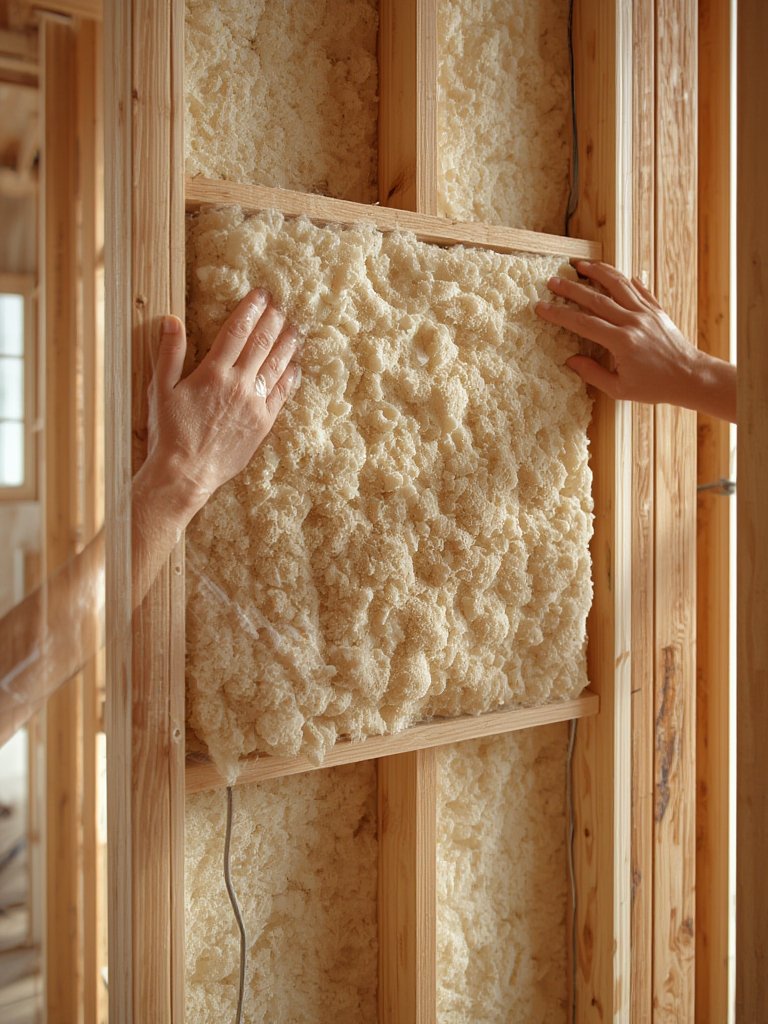
- Plan Installation: Mycelium panels install like traditional batts or boards, but moisture considerations are critical. Use proper vapor barriers and prevent liquid water exposure during construction.
- Consider Upgrades: Hybrid panels—a blend of hemp and mycelium—can deliver up to 47 percent better thermal insulation, according to recent production tests (hemp-mycelium case).
Thinking beyond insulation? Explore durable upholstery and smart home upgrades for pet-friendly living to create a well-rounded, sustainable interior.
Advanced Analysis & Common Pitfalls
Laboratory testing highlights mycelium’s strengths, but several challenges remain if you’re considering it for your home or building project:
- Lack of Field Data: Research overwhelmingly comes from lab simulation, not from documented full-scale retrofits or long-term homeowner feedback. There is little reported on moisture resistance, pest resistance, or actual longevity.
- Moisture Sensitivity: All mycelium products must be kept dry before and after installation. Wet conditions, leaks, or high ambient humidity could compromise performance and longevity.
- Cost Transparency: Manufacturers claim low production costs, but published pricing versus fiberglass or mineral wool is almost nonexistent.
- Third-Party Comparison: No detailed side-by-side supplier analysis or certifications are available—buyer diligence is critical.
- DIY & Compatibility: There is limited guidance on retrofitting existing wall assemblies or best practices for DIY installations.
| Property | Mycelium Insulation | Fiberglass | XPS Foam Board |
|---|---|---|---|
| R-Value/inch | 3-4 | 3.2-4.3 | 5 |
| Fire Safety | meets leading fire safety standards (ASTM E84 Class A & Euroclass B) | Can require additives | Additives needed |
| Production Energy | Very Low (up to 70% less) | High | Very High |
| Compostability | Yes | No | No |
| Field-Verified Longevity | Unknown | Proven | Proven |
| Pest/Moisture Issues | Data lacking | Some risk | Low risk |
If you are focused solely on energy reductions, combine mycelium insulation with advanced room sensors and a smart thermostat to further cut monthly bills, as discussed in our energy-saving guide.
Conclusion
Mushroom insulation material is rapidly evolving, attracting builders who demand sustainability and fire safety while aiming for lower carbon footprints. Research confirms its manufacturing process leads to significant environmental benefits—up to 70 percent less energy consumed and true compostability. Its fire resistance rivals or surpasses conventional insulation, and R-values offer parity with fiberglass in most cases.
Yet, clear real-world cost data, third-party case studies, and long-term durability evidence are still lacking for mushroom insulation material. Proceed carefully—request certificates, understand code compliance, and consider hybrid solutions for extra thermal value. Ready to explore or compare more sustainable home upgrades? Dive into affordable kitchen improvements or check out our hands-on thermostat review to complement your energy goals.
Take the next step: Contact suppliers directly for current R-value data, certifications, and pricing—or explore our guides for other practical, sustainable solutions.
Frequently Asked Questions
Is mushroom insulation material safe for residential use?
Lab tests show it meets leading fire safety standards (ASTM E84 Class A & Euroclass B). Its components are natural and non-toxic. Field-tested long-term safety data in real-world homes, however, is limited.
How does the cost of mushroom insulation compare to fiberglass?
Manufacturers claim lower energy and material costs, but transparent, published price comparisons for homeowners are rare as of now. Always request up-to-date quotes for a case-specific answer.
Can I install mushroom insulation in an existing wall or attic?
Panels can be cut and fitted like traditional options, but there’s little DIY guidance and care must be taken to avoid moisture exposure. Consult the supplier for retrofit advice and installation manuals.
Is mushroom insulation compostable and recyclable?
Yes, mycelium is fully compostable and contains only organic, non-polluting ingredients. At the end of its lifecycle, it breaks down naturally—unlike foam or fiberglass.
What is the biggest drawback of using mushroom insulation?
The main limitation is the lack of field-verified performance and detailed studies on long-term moisture, pest resistance, and lifecycle durability in a wide range of environments.