

garage conversion ADU is an increasingly popular way for homeowners to create extra living space or generate rental income without building from scratch. If you’re considering this project, you need clear, updated facts—cost breakdowns, real-world steps, and honest pitfalls—before you invest.
Key Takeaways
- Average garage conversion ADU costs in 2024 typically range from $50,000 to $150,000 nationwide, but can go higher in major cities or with premium finishes.
- Permits, local zoning rules, and significant utility hookups are the most common roadblocks—always confirm specific requirements with your city.
- Most online cost estimators don’t include hidden expenses like seismic upgrades, school fees, or complex site work, so budget extra if your garage needs work.
- What Is A Garage Conversion ADU & Why Consider One?
- Step-by-Step Guide: How to Convert a Garage Into an ADU
- Advanced Analysis & Common Pitfalls
- Conclusion
- FAQ
What Is A Garage Conversion ADU & Why Consider One?
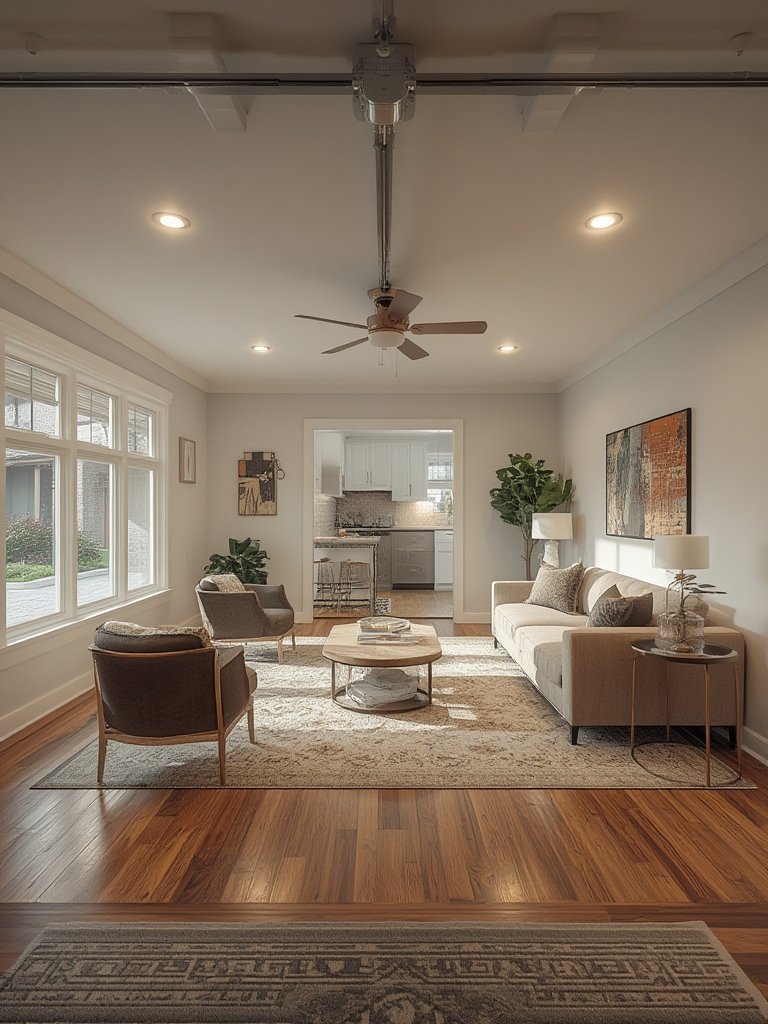
An accessory dwelling unit (ADU) made by converting your garage transforms underused square footage into an independent living space. Unlike a basic remodel, a garage conversion ADU must meet full local housing codes—including plumbing, electrical, and structural standards. Many homeowners convert garages for extra rental income, multigenerational living, or home office flexibility, all without losing valuable yard space.
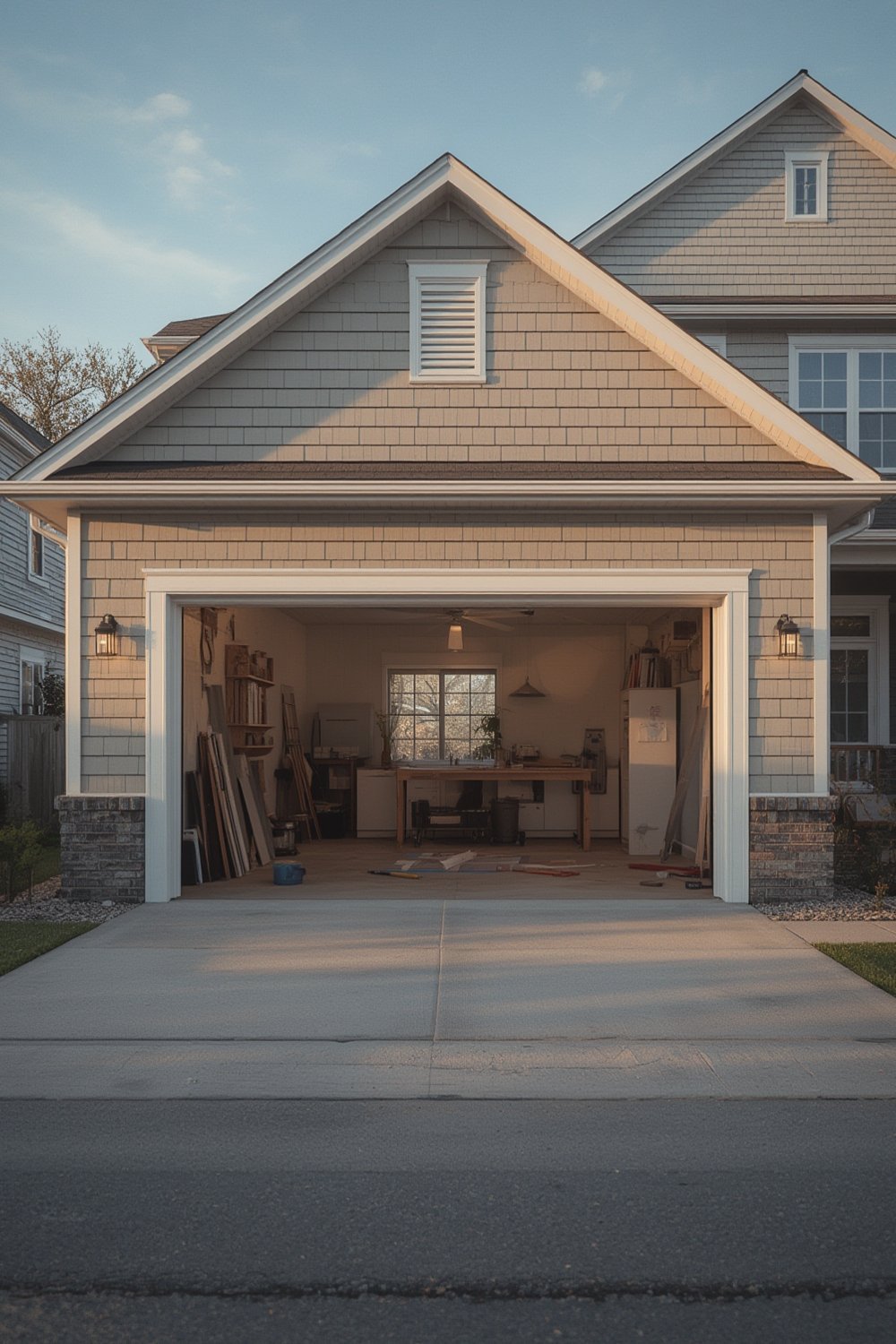
If you live in a city with high property values—like Los Angeles, Portland, or Seattle—a garage ADU can boost your property’s value by 20-35% according to ADU West Coast. With the right layout and utility upgrades, these spaces are often just as comfortable and functional as newly-built apartments.
But costs are substantial and requirements remain strict. Recent statistics show:
- National average cost: $50,000–$150,000 for a garage conversion ADU, with most projects falling in the $150–$300 per square foot range (RG Pro Builders).
- Regional variation: Los Angeles conversions (350–400 sq ft) typically range from $100,000 to $190,000 (source: Ground Up Builders).
- By size: A 1-car garage (~240 sq ft) can cost $36,000–$120,000; a 2-car garage (400 sq ft) runs $60,000–$200,000, not including luxury features (Dwellito).
Keep in mind that prices spike if you need major utility trenching, structural upgrades, or high-end materials. Choose wisely before you start and plan a solid budget.
Step-by-Step Guide: How to Convert a Garage Into an ADU
- Gather Initial Information
Start by reviewing your city’s ADU zoning rules. Not all garages qualify for conversion—minimum setback distances, lot configuration, and parking requirements can make or break your plans. Check for local guides on your city website or contact planning staff for a pre-application review.
- Budget & Feasibility Analysis
Take accurate garage measurements. Note existing conditions: water/dampness issues, slab level, structural cracks, or old wiring. Review average pricing using an updated range ($50,000–$150,000+), but assume higher costs if you have to move plumbing or add sewer connections. Consider hidden costs like remediation or school fees.
- Design and Planning
Hire a residential designer, architect, or experienced ADU contractor. They can draw up plans meeting local building code—minimum ceiling height, insulation, safe egress windows, and, critically, bathroom and kitchen layouts. Modern ADU garage plans typically include:
- Full insulation for energy efficiency
- Windows and exterior doors for light, security, and exits
- Bathroom plumbing and kitchen rough-in
- Electrical panel/subpanel upgrade
- HVAC—often a ductless mini-split for heat/cool
- Code-compliant finishes: soundproofing, drywall, flooring, cabinetry, and lighting
Also check out smart home upgrades you can incorporate for improved comfort, cleaning, and energy control; see our guide to practical smart home upgrades for other rooms.
- Permitting and Documentation
Submit plans for a building permit. In Los Angeles, for example, this includes plan check, mechanical, electrical, and plumbing permits, plus school impact fees (sometimes waived for conversions). California law requires a 60-day permit decision for conversion ADUs (ADU West Coast), but other cities may take longer, especially if zoning variances are needed.
- Construction and Inspection
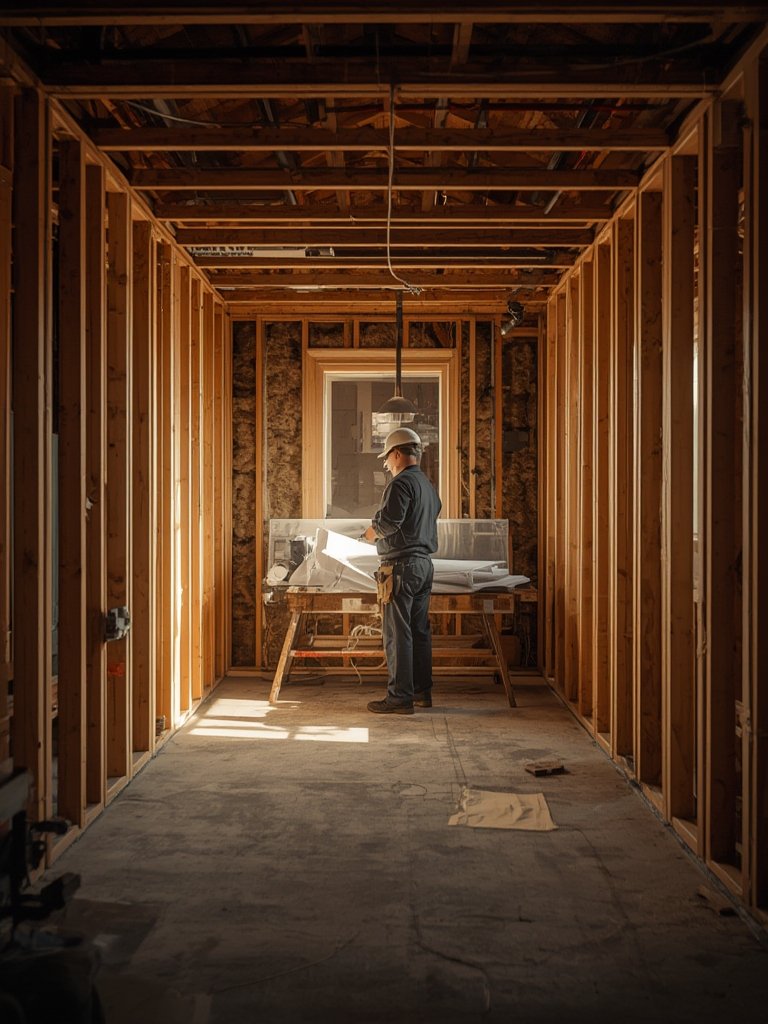
Once permitted, demolition and structural work begin—reinforcing slab or framing, seismic upgrades if required, and correcting any moisture issues. Utilities (water, sewer, electric, and gas) are upgraded and rough-in inspected. After rough-ins pass, contractors install insulation, walls, fixtures, countertops, cabinets, lighting, paint, and appliances. Expect 4–8 months from permit to completion, depending on complexity.

- Final Inspection and Sign-Off
The city conducts final inspections. Only when you pass can you legally house tenants, family, or guests. Save all documents—these are required if you sell or refinance your home later.
- Rental Setup or Personal Use
If renting, set up separate utilities or robust submetering if desired. Research local short- or long-term rental laws. Get new insurance quotes—you will likely need to update your homeowner’s policy (see Advanced Analysis & Common Pitfalls for details most blogs overlook).
Ready for more ways to optimize your home for comfort? Check out our comprehensive review of the AI smart thermostat 2025 upgrade for energy savings throughout your property.
Advanced Analysis & Common Pitfalls
Every garage conversion ADU comes with risks and complications. Here’s what can go wrong and how to plan for it.
| Potential Issue | What to Watch / Mitigation | Cost Impact (Est.) |
|---|---|---|
| Permitting Delays | Missing paperwork or unclear site plans can stall review for months. | Up to $5,000 in lost time/rush fees |
| Utility Upgrades | Older garages often lack easy sewer, gas, or power ties—trenching is expensive. | $10,000+ |
| Site Remediation | Mold, asbestos, or slab moisture require abatement or structural reinforcement. | $2,000–$20,000 |
| Structural Work | Add seismic bracing or raise roof for headroom if code requires. | $5,000–$30,000 |
| Premium Finishes / Design Changes | Switching to high-end materials or appliances after project start can blow up the budget. | Unlimited—plan firm preferences early |
| Insurance Gaps | Failure to update policies can void coverage. Inform your insurer of new habitable unit. | Varies by provider |
Homeowners also face differences city-to-city. While LA offers streamlined ADU processes, cities like Austin and Seattle may require extra reviews or higher impact fees. Be aware: ADU cost calculators often miss “soft costs” (permitting, insurance increases, legal/zoning consultation) as well as regional labor/material surges. Always overbudget 10–20% as a cushion.
Maintenance is another real factor. Annual rental ADU maintenance costs run about $3,600 including taxes and utilities, but deferred repairs, pest control, or water damage can push that higher. If you’re torn between a garage ADU and other home upgrades, see how small-scale improvements (like peel-and-stick backsplash tiles) can offer a taste of renovation without the major risks.
Three areas most blogs skip that you should not ignore:
- Insurance implications: Your current homeowner’s policy may not cover a habitable rental unit. Expect premium increases, possible carrier change, and questions about liability. Get written confirmation of coverage for both property and liability.
- Financing options: Few ADU builds are funded entirely out of pocket. Research home equity lines, renovation loans, city/state grants, or construction-specific financing programs. This can impact approval speed and long-term ROI.
- Step-by-step permit timelines: Beyond just fees, you need an exact process guide for your city—missing a sequence delays construction. Call your building department and ask for a flowchart or written checklist.
Want to add voice control or energy tracking with a top-rated smart speaker and other devices for a rental-friendly tech upgrade.
Conclusion
A garage conversion ADU can be an excellent investment—adding livable space, property value, and flexibility—but success demands careful planning and realistic budgeting. Permits, old garage upgrades, and hidden utility work can quickly increase your costs. Always consult local experts, research city-specific steps, and overbudget for unforeseen issues. Follow the advice and action steps above so your garage conversion ADU becomes a true long-term benefit to your property instead of a money pit.
Ready to take control of your property’s potential? Start with a garage assessment and reach out to your local building department before you sketch your first plan. For more energy-saving ideas be sure to visit our guide to AI smart thermostat upgrades.
FAQ
What is the average cost to convert a garage to ADU in Los Angeles vs. nationwide?
Nationwide, ADU garage conversions average $50,000–$150,000, or $150–$300 per square foot. In Los Angeles, typical projects run $100,000–$190,000 for 350–400 sq ft, with premium conversions costing more. Regional labor, permit fees, and utility access are key cost factors.
Do online garage ADU cost calculators reflect real final costs?
Most calculators undervalue final costs. They often omit permit fees, utility trenching, structural remediation, and premium finishes. Always add at least 10–20% for unanticipated expenses, or consult with local ADU specialists for a tailored estimate.
What challenges do most homeowners face during a garage conversion ADU project?
The most common obstacles are permit delays, unexpected utility or structural upgrades, budget overruns, and insurance gaps. If your garage is in poor shape or has drainage issues, expect both time and cost to increase significantly.
What kinds of features are required for an ADU garage plan to be code-compliant?
Plans must incorporate insulation, egress windows, bathroom and kitchen plumbing, electrical upgrades, and HVAC. Foundations and framing may require seismic upgrades. All finishes—like drywall and flooring—must meet local code for habitable spaces.
Will converting my garage increase my property taxes or insurance?
Yes. A permitted ADU generally triggers a property tax reassessment, though usually only for the renovated space. Insurance premiums often rise too, since your home’s occupancy and risk profile change. Always confirm coverage with your insurance provider before starting your project.