

### Blog Post:
Smart home devices are quickly becoming a fixture in millions of homes worldwide, reshaping household routines, costs, and expectations—but market growth in 2024 reveals both huge promise and real, often overlooked, pitfalls. Whether you’re looking to automate lighting, boost home security, or cut energy costs, knowing the facts behind adoption, compatibility, and value is essential before making any investment.
Key Takeaways
- Global smart home device shipments stagnated in 2024, but regional and category growth varies dramatically.
- Biggest user complaints include ecosystem lock-in, unreliable automations, hidden costs, and privacy risks.
- Devices with the best ROI: smart thermostats, LED smart lighting, and robot vacuums—if you choose carefully.
- What Are Smart Home Devices and Why Are They Growing?
- How To Choose and Deploy Smart Home Devices: Step-by-Step Guide
- Advanced Analysis & Common Pitfalls in Smart Home Adoption
- Conclusion
- FAQ
What Are Smart Home Devices and Why Are They Growing?
Smart home devices are internet-connected appliances, sensors, or controls for your home—like speakers, thermostats, lighting, cameras, plugs, and major appliances—that automate routines, boost convenience, or enable remote control via smartphone or voice assistants.
Adoption is accelerating in 2024 as prices drop and platforms like Matter offer more interoperability, but growth varies by region and device category. North America leads in overall value, while Asia-Pacific—especially China—shows explosive new user growth. Smart TVs, smart speakers, and security systems are still the biggest drivers in most regions.
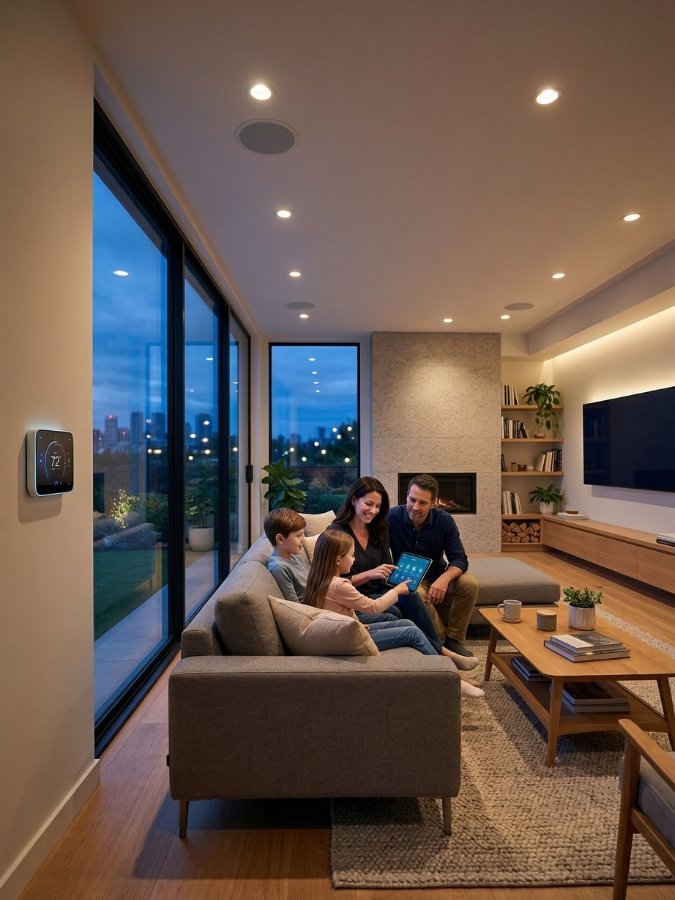
However, that top-line story hides deeper complexities. Flat worldwide shipments in 2024 (IDC) mean mature markets like the US and Western Europe are saturated, leading brands to focus on smarter features and emerging regions. Strategic Market Research notes an expected jump to over 422 million smart home users by year-end [source].
Why the surge? Smart home tech delivers:
- Convenience—automating lights, entry, cleaning, and even routine reminders.
- Potential energy/cost savings—especially with smart thermostats and LED smart lighting.
- Enhanced security—live video, alarms, and automated locks.
- Peace of mind—remote monitoring and control via smartphone.
The market is more nuanced than “set and forget.” Frustrations and hidden costs are routine, which makes research and planning critical.
How To Choose and Deploy Smart Home Devices: Step-by-Step Guide
Jumping into smart home automation without a plan can backfire. Use this guide to maximize value while avoiding the most common headaches.
- Define your core goals.
- Is it energy savings, security, cleaning, convenience—or a mix?
- For family scheduling and shared routines, a shared family calendar display like Skylight can centralize reminders and lists (see full skylight calendar reviews).
- Pick the right “brain” (platform & protocol).
- Research if you want Apple Home, Google Home, Amazon Alexa, or SmartThings as your main platform—all support Matter, but check device compatibility list before buying.
- Decide between Wi-Fi, Zigbee, Z-Wave, or Thread. Thread/Matter is the newest and best for future-proofing, but Zigbee remains rock-solid for lighting (see advanced comparisons below).
- Start small and high-ROI.
- Begin with smart lighting or a single smart plug—quick, affordable wins.
- Add devices with strong, local control (lights, locks, thermostats) before video/security. For DIY cleaning, try a non toxic air fryer or robot vacuum to complement smart cleaning routines.
- Plan for app fatigue and hidden costs.
- Check if cloud subscriptions are required for video/storage before buying. Many popular cameras and doorbells need $3–$10/month per device for cloud storage.
- Map where you want touch controls versus relying on voice/apps (for families, a shared family organizer can bridge tech and manual workflows).
- Prepare your home network.
- Segment smart home devices on a separate Wi-Fi SSID or VLAN if possible (most modern routers support this).
- Wi-Fi bulbs or plugs flood the main 2.4 GHz band in big homes; Thread/Zigbee create a dedicated mesh for less interference.
- Consult advanced home improvement or tech resources for guidance. For robust cleaning, see mop soap selection tips—clean floors help sensor and robot accuracy.
- Focus on local automation and privacy settings.
- Prioritize devices and routines that work without internet/cloud outages. Many platforms let you set local routines with Apple Home Hubs, certain Alexa/Google hubs, or SmartThings devices.
- Regularly update firmware and review app permissions.
- Check device and app update settings monthly. Outdated firmware is the #1 security risk in abandoned or cheap devices (Grand View Research).
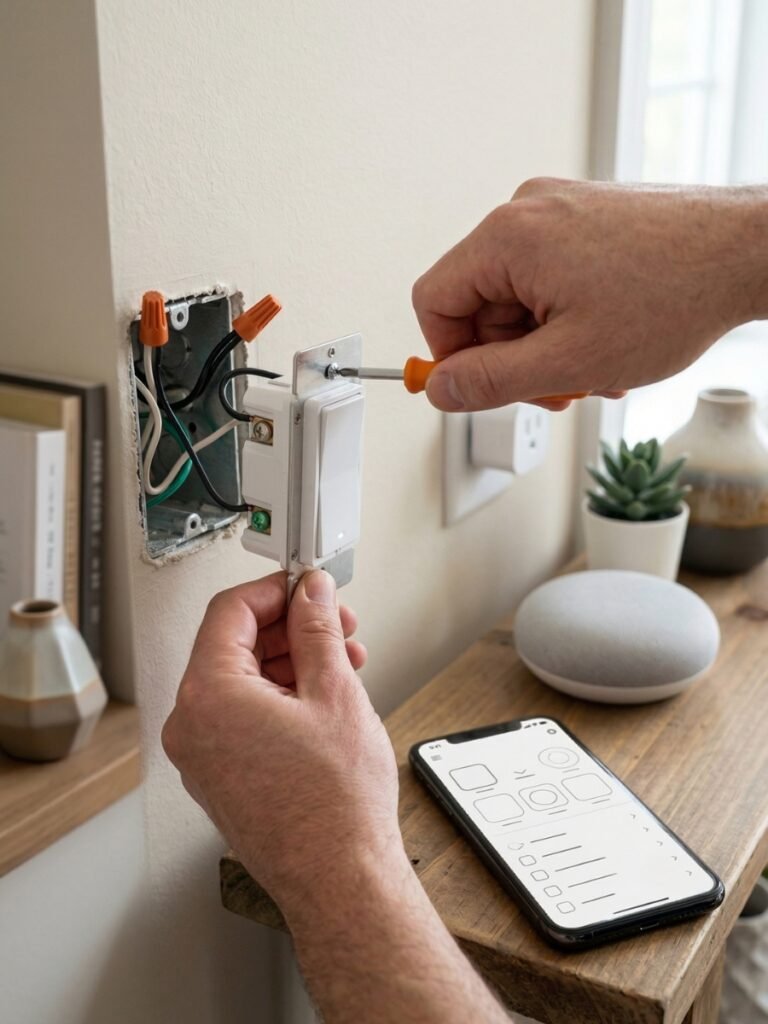
Along the way, consider integrating with other technology such as smart home fitness gear if personalization and connected wellness matter for your routines.
Finally, don’t skip small stuff that pays off for real-world cleaning and maintenance—proper mats like a muddy mat for dogs dramatically improve smart vacuum reliability by reducing tracked-in dirt.
Advanced Analysis & Common Pitfalls in Smart Home Adoption
Based on the latest research, real-world deployments of smart home devices in 2024 come with a repeat set of challenges. Here’s what buyers actually get wrong, how to recognize issues early, and avoid expensive mistakes.
Common Pitfalls Table: Technical & User Experience Risks
| Risk or Issue | Impact | Workaround or Mitigation |
|---|---|---|
| Ecosystem lock-in | Can only control devices with specific brand/platform, limiting mix-and-match upgrades | Prioritize Matter-compatible, multi-hub devices; avoid closed ecosystems unless necessary |
| Poor compatibility | Devices fail to pair or stay online, especially mixed protocols (Wi-Fi, Zigbee, Thread) | Standardize on one or two main protocols; use hubs that bridge multiple networks (see home organizers for planning) |
| Subscription creep | Surprising monthly costs for cloud storage, pro monitoring, app upgrades | Check subscription requirements up front; calculate 2–3 year all-in cost before buying |
| Automation unreliability | Routines don’t trigger, or require internet/cloud | Prefer local automation (Matter/Thread, HomeKit, Zigbee hubs); test all critical routines offline |
| Firmware/app abandonware | Features break when vendor stops updates or clouds are retired | Buy from top brands with a proven update track record; check public update logs |
| Security & privacy gaps | Unpatched exploits, risky app permissions, unencrypted streams | Change default passwords; audit privacy settings; avoid cheapest cameras or locks |
| DIY install headaches (especially security/locks/thermostats) | Errors during installation can lead to unsafe setups, or require pro help | Hire certified installers for wiring; follow checklists; reference comparison guides like homeedit organizers |
When to Avoid Certain Device Types
- Budget video cameras/locks: Most vulnerabilities come from devices with infrequent security updates. Stick to brands with transparent update histories.
- Wi-Fi-only bulbs or plugs in large homes: These can crowd your router and lead to random disconnects. Zigbee or Thread helps, but look out for protocol fragmentation.
- Subscription-only platforms: Some smart security systems are nearly useless without paid monitoring or cloud plans—check the fine print and consider alternatives first.
Overlooked Costs and Long-Term Issues
- Batteries for sensors, locks, cameras: Plan for battery replacements every 1–3 years, especially in harsh climates or high-traffic areas.
- Product and vendor obsolescence: Devices depending on cloud vendors risk being bricked when companies exit the market. For high ROI, only buy from brands with longevity reviews and open ecosystem support.
- Home network complexity: Mixing too many wireless protocols can lead to slowdowns and headaches during router upgrades.
Lifecycle, Security, and Privacy: Key Questions to Ask
- Is the device Matter-certified, or Thread-compatible?
- How often are firmware updates delivered for this brand/model?
- Can you access, delete, or export your usage data?
- Does core functionality still work if the cloud or internet goes down?
For the full breakdown of protocols and market data, see Strategic Market Research’s 2024 report and the NielsenIQ demand analysis.

Conclusion
Investing in smart home devices in 2024 can deliver real energy savings, convenience, and even peace of mind—but only when you make careful, future-proof choices. Focus on interoperability (especially Matter/Thread), favor reliable brands with frequent updates, and always factor in hidden costs like subscriptions and maintenance. If you treat your home’s network like its foundation—and build slowly, starting with proven high-ROI devices—you’ll sidestep most pitfalls and maximize the benefits of smart home automation. Ready to level up your home? Start with just one carefully chosen smart home device today for visible impact—then expand as your needs grow.
FAQ
What is the most common problem with smart home devices in 2024?
Ecosystem lock-in and poor interoperability remain the top issues. Many devices only work with a specific app or hub, making it hard to mix brands or upgrade without replacing your setup. Look for Matter-compatible products to minimize this risk.
Do I need a subscription for smart home devices?
Most core devices (lights, thermostats, plugs) do not require a subscription. However, security cameras, doorbells, and alarm systems often charge monthly fees for cloud storage or professional monitoring. Always check costs before buying.
How can I protect my privacy with smart home devices?
Change all default passwords on installation, enable two-factor authentication if available, and review privacy settings in both the device and companion apps. Prefer brands with clear data retention policies—and check if you can delete or export your data.
Which devices deliver the best energy savings?
Smart thermostats and LED smart lighting offer the highest energy ROI. Thermostats can cut heating/cooling costs by up to 23 percent, while smart LED bulbs combined with motion sensors slash lighting use—often recouping cost within one to three years.
What’s the best protocol: Wi-Fi, Zigbee, Z-Wave, or Thread?
For most homes in 2024, Thread (and Matter over Thread) is the best bet for new devices due to improved interoperability and local control. Zigbee remains reliable for lighting, and Wi-Fi-only devices are best for high-bandwidth needs like cameras.