

Smart water leak detector system solutions are fast becoming a must-have for homeowners who want real protection from costly water damage. With rising insurance claims and unpredictable leaks from appliances, pipes, or weather, many are searching for the best way to catch problems before disaster strikes.
Key Takeaways
- Water damage is among the most expensive and common home insurance claims, averaging over $15,000 per incident in recent years.
- Smart water leak detector systems combine sensors, phone alerts, and often automatic water shutoff valves to prevent major losses.
- Not all systems are equal in accuracy, reliability, or ease of installation—knowing what to look for is critical.
- What Is a Smart Water Leak Detector System?
- How to Protect Your Home: Step-by-Step Guide
- Advanced Analysis & Common Pitfalls
- Conclusion
- FAQ: Smart Water Leak Detector Systems
What Is a Smart Water Leak Detector System?
A smart water leak detector system is a network of connected sensors placed in key problem areas—like under sinks, behind appliances, or along basement floors—to catch leaks and alert you instantly, wherever you are. Many modern systems also offer automatic water shutoff valves, which can close your home’s main water line within seconds, stopping leaks before they turn into costly disasters.

Why does this matter? According to recent insurance data, water damage represents nearly a quarter of all home insurance claims, averaging over $15,000 per claim in the United States—and that’s before factoring in rising inflation and supply chain costs. Industry reports estimate annual U.S. water-related losses at $13 billion for homeowners alone.
Installing a smart leak detector system is one of the only reliable ways to minimize or even prevent these losses.
How to Protect Your Home: Step-by-Step Guide
Choosing and installing the right smart water leak detector system isn’t complicated, but it pays to plan ahead. Here’s how to get the most protection in 2024.
- Assess Your Risk Zones
Walk through your home and note locations of washer/dryer, dishwashers, water softeners, under sinks, toilets, and all exterior walls. Basements prone to flooding or with tricky plumbing should always be prioritized.
- Choose the Right System
Look for systems offering whole-home coverage. The best models combine wireless sensors, a user-friendly mobile app for instant leak alerts, and—ideally—an automatic shutoff valve that responds automatically if a leak is detected.
If you’re already investing in other smart upgrades like an AI smart thermostat, make sure your water leak system can integrate with existing platforms like Alexa, Google Home, or Apple HomeKit. Not all do.
- Installation Basics
Most battery-powered sensors install tool-free by simply placing them on the floor or attaching with adhesive pads. For valves, expect minor plumbing (often push-to-connect style) and a WiFi connection. Professional installation is available for most brands but often adds $150–$350 to your total cost.
- App Setup & Testing
Download the system app, follow prompts to pair sensors, and test each device with a damp sponge or poured water. Confirm you receive push notifications and/or text alerts for every sensor.
- Ongoing Maintenance & Monitoring
Replace batteries annually. Some systems offer premium in-app monitoring for a monthly fee, but basic local alerts are usually free. Be sure to update sensor locations in the app if you move them.
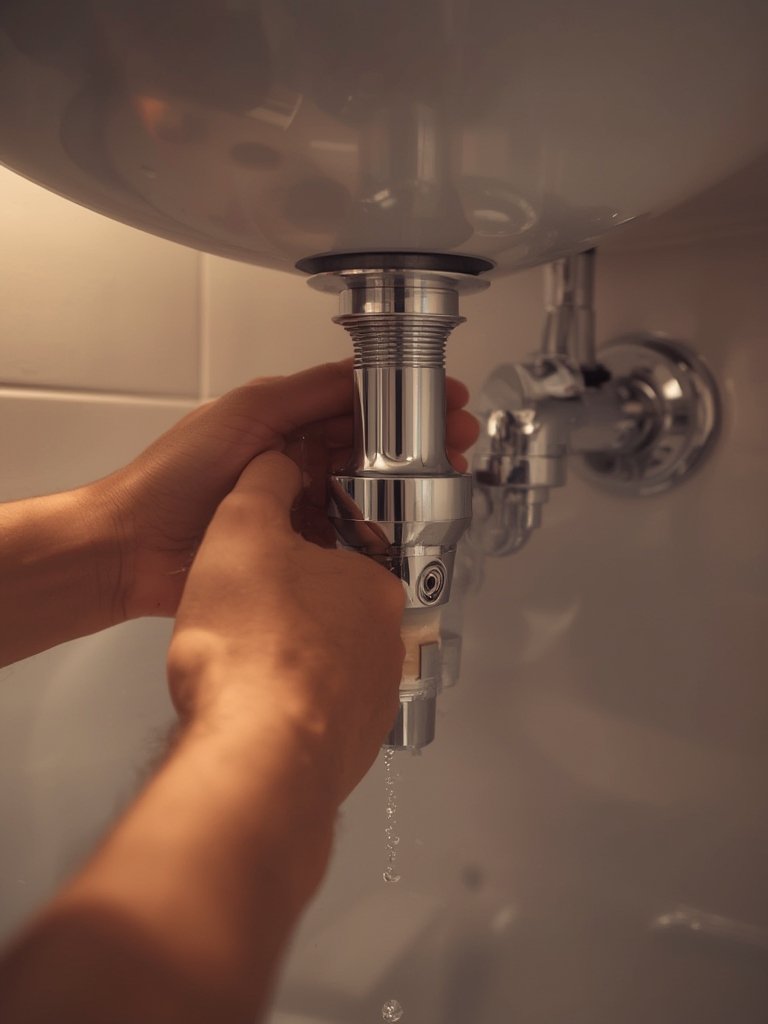
Systems start as low as $60 for a basic sensor pack, but a full kit with 4–8 sensors plus an automatic shutoff valve and mobile alerts can run from $300–$800 in 2024. Check if the manufacturer charges a subscription for advanced notifications or cloud history. No reputable systems in our research required ongoing fees for basic leak alerts.
For more whole-home upgrade inspiration—especially for pet-friendly remodelers—check out our Ultimate Smart Home Upgrades & Pet-Friendly Furniture roundup.
Advanced Analysis & Common Pitfalls
While smart water leak detectors offer significant peace of mind, they aren’t perfect. Based on publicly available research and hands-on reports, here are the most common pitfalls and problems:
- weak WiFi signals & Connectivity Issues
Basements and garages often have weak WiFi signals, which can prevent timely alerts. Consider standalone repeaters or a mesh WiFi system. Test coverage before installing sensors.
See more smart home connectivity tips. - False Alarms from Humidity
Unsealed basement floors and tropical climates can trigger false positives from condensation. Some systems let you calibrate sensitivity in-app. - Complex Installation for Shutoff Valves
Most water shutoff valves require cutting into your main line—a job for pros if you’re not comfortable with plumbing. Budget an extra $200–$350 or check for retrofit-friendly models. - Battery Life & Replacement
Sensors last from 1–4 years on a set of AAA batteries, but routine checks are essential. Systems with low-battery notifications are strongly recommended. - Integration Gaps
Many budget models don’t play well with Alexa, Google Home, or Apple HomeKit. Confirm compatibility before you buy (see also AI Smart Thermostat 2025 for integration strategies).
| Feature | Budget Kits ($60–$150) | Comprehensive Systems ($300–$800+) |
|---|---|---|
| Leak Sensor Count | 2–3 (often local alerts only) | 4–8+ (app, cloud, and text alerts) |
| Automatic Shutoff Valve | No (manual shutoff only) | Yes (remote or auto actuation) |
| Integration | Rare (may lack smart home features) | Common (Alexa, Google, HomeKit) |
| Subscription Required | Never (local only) | Sometimes (premium features only) |
| Installation Difficulty | Plug and play | Moderate (tools or pro install needed) |

No current third-party testing compares alert speeds or sensor accuracy for major brands. However, most reputable systems include a test mode—run this quarterly to ensure devices catch slow leaks and not just floods.
Ready for your next kitchen upgrade too? See our guide to peel and stick backsplash tiles for a quick, renter-friendly transformation.
Conclusion
Smart water leak detector systems are a practical, high-impact upgrade for protecting your home from costly, disruptive water damage. While the upfront cost isn’t trivial—especially when adding automatic shutoff valves—the peace of mind pays for itself the first time a leak is stopped in its tracks. Take the time to map your risk zones, check WiFi coverage, and choose a system that scales with your home’s needs. Don’t wait for disaster—add a smart water leak detector system before you need to make an insurance claim.
Want to learn more about integrating smart protection with other essential home upgrades? Explore our latest on AI smart thermostats and video doorbells for an all-in-one strategy. Ready to get started? Compare leading water leak detector systems today and safeguard your home.
FAQ: Smart Water Leak Detector Systems
How do smart water leak detector systems actually work?
Smart water leak detector systems use wireless sensors to detect the presence of water in vulnerable areas of your home. When they sense moisture, they instantly send alerts to your phone and may trigger an automatic shutoff valve to stop water flow, preventing damage.
Where should I install water leak detectors?
Place sensors in laundry rooms, under kitchen and bathroom sinks, next to water heaters, behind dishwashers and washing machines, and in basements or crawlspaces. Focus on locations with a history of leaks or where water damage would be most serious.
Do I need a professional to install a smart water leak detector system?
Most sensors are DIY-friendly and require no tools. If your system includes an automatic water shutoff valve, installation may require basic plumbing knowledge or a licensed plumber for safety and warranty reasons.
What ongoing costs should I expect?
Battery replacement (every 1–4 years) is the main recurring cost. Some brands offer advanced cloud or monitoring features through subscription plans, but core leak alert functions are typically free.
Are there rebates or insurance discounts for installing these systems?
As of 2024, there are no widely available rebates or verified insurance premium discounts specifically for smart water leak detector systems. Check with your insurer or local government for any occasional incentives.