

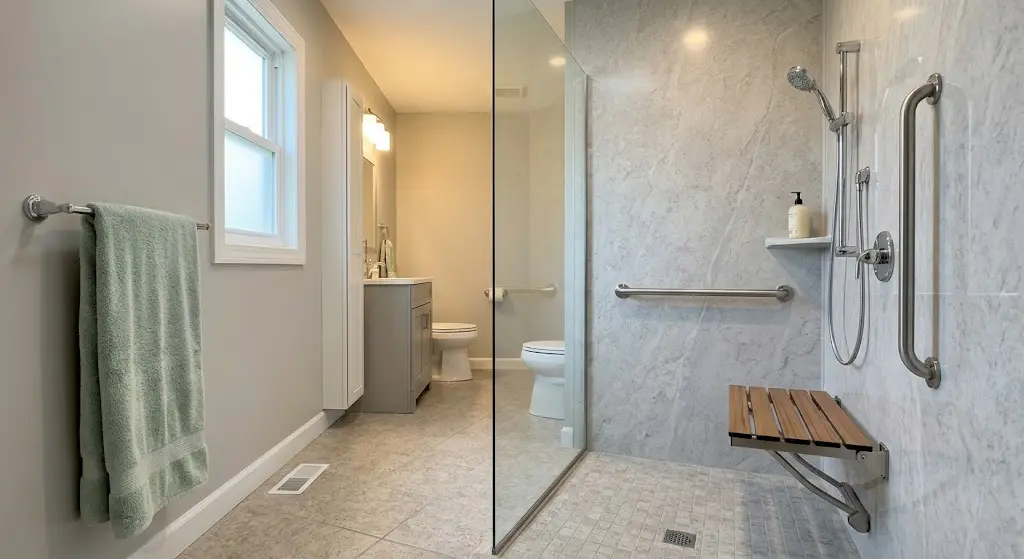
If you’re planning a tub-to-shower conversion small bathroom remodel, you want real numbers, real timelines, and zero sugarcoating. Replacing that old tub unlocks valuable space or much-needed accessibility, but the cost and process can surprise even seasoned homeowners. Here’s what you must know before you call a contractor or sign a contract.
Key Takeaways
- Expect a total tub to shower conversion cost in a small bathroom to average about $4,000, but some projects hit $2,200–$7,500 depending on region and scope.
- Acrylic conversions typically take 3–5 days (not truly “one day” for most), while tile or accessible upgrades often add more time.
- Resale impact, waterproofing, and contractor quality matter as much as style—do your homework before starting.
- Quick Snapshot — What this project really costs and how long it takes
- Step-by-Step Guide: Tub to Shower Conversion in a Small Bathroom
- Advanced Analysis & Common Pitfalls
- Conclusion
- FAQ
Quick Snapshot — What this project really costs and how long it takes
The national average tub to shower conversion cost for a small bathroom in 2024 is about $4,000, with most jobs falling in the $2,200–$7,500 range. Basic acrylic/fiberglass options start as low as $1,200. On the high end, custom curbless tile showers can hit $10,000 or even $15,000 with premium finishes and accessibility upgrades (source).
Acrylic-based conversions usually take 3–5 days of active work. Tile will add extra days for prep, curing, and finishing. Most “one-day” conversion claims are for very straightforward acrylic swaps—if your home is older, or plumbing or waterproofing issues pop up, plan for extra time and $500–$2,000 more in unplanned costs (source).
Step-by-Step Guide: Tub to Shower Conversion in a Small Bathroom
- Assess your needs and set a realistic budget.
- Decide if accessibility, resale, or space-saving is your top priority. Measure the space and identify existing plumbing and electrical locations. Research typical project costs in your region (see full ranges below).
- Choose your shower type and materials.
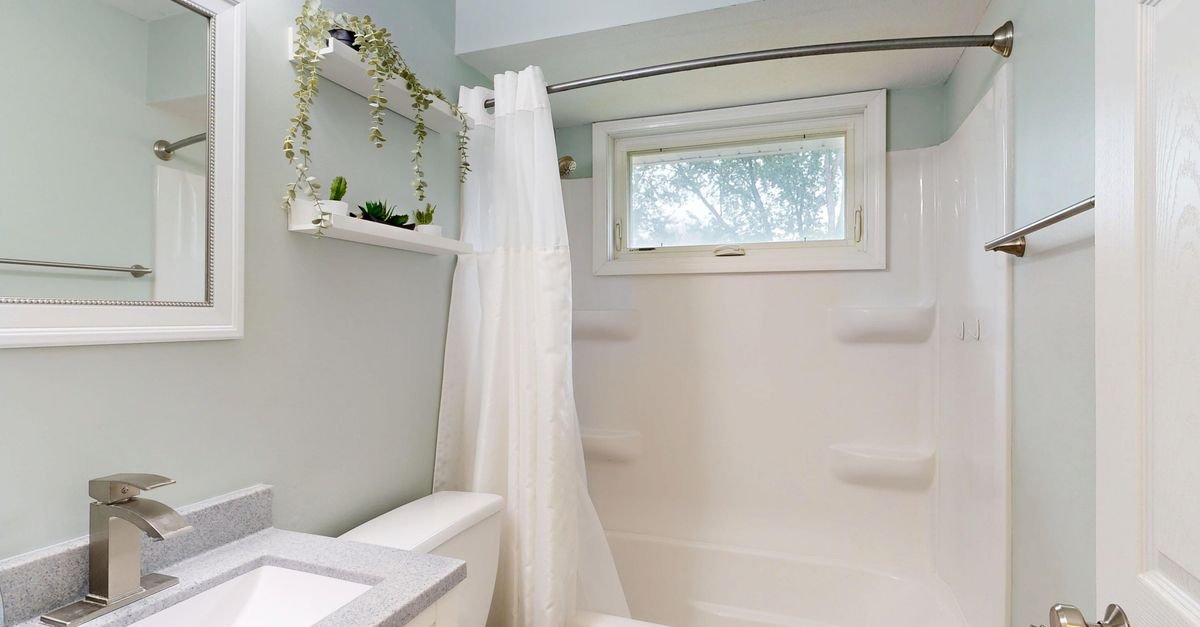
- Options for a small bathroom include basic acrylic or fiberglass kits (fast and budget-friendly), tile (longer install, more custom, higher cost), or a luxury curbless design for true accessibility—for example, a low threshold shower base in a small bathroom.
- Request detailed, apples-to-apples quotes.
- Provide each contractor the same project scope for accurate bidding. Always ask for written quotes, line-item allowances (for finishes and fixtures), references (with photos), and confirmation that all necessary permits are included. If possible, vet options using national installers like Home Depot Services as a benchmark.
- Approve design and finishes—think usability, not just style.
- In a small bathroom, sliding glass panels, single fixed panels, and storage niches can maximize space and minimize cleaning. Consider cost-saving features like solid acrylic wall panels versus high-labor tile. For a true accessible conversion (tub to shower conversion for seniors), insist on integrated grab bars, bench seats, and non-slip flooring (reference).
- Schedule, demo, and prep.
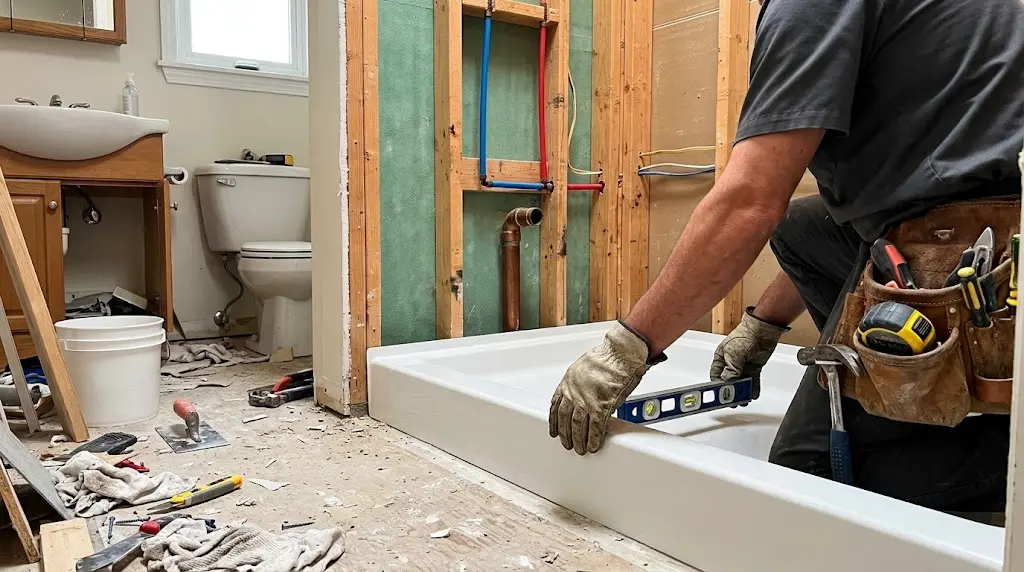
- Once scheduled, demo can take less than a day. Plumbing and subfloor repair follow. Delays at this stage (such as water damage or outdated pipework) are the top cost drivers—clarify up front who pays for surprises.
- Installation: shower pan, waterproofing, and walls.
- Acrylic pans and walls go in fastest. Tile pans require more waterproofing checks. Better contractors will provide leak testing and warranty details as part of the written scope. Don’t skip the pre-tile inspection where required.
- Glass, fixtures, and finish.
- Glass installation typically occurs last as a measurement must be exact. Final walkthroughs should check water flow, drainage, and all caulked seams. Demand written proof of waterproofing and a warranty.
If you’re looking for local contractors who specialize in affordable bathroom remodels, check out affordable bathroom remodel near me and bathroom renovation near me for vetted service options.
Advanced Analysis & Common Pitfalls
Even “basic” tub to shower conversion small bathroom projects run into snags. Here’s what trips up most homeowners and how to avoid regret:
- Losing your only tub: If your home has just one, resale can take a hit—families with young kids expect at least one tub. If there’s a tub elsewhere, you’re safe. Curious about resale? See this detailed no tub small bathroom guide.
- Cramped layouts: Many small bathroom showers feel tight if the new base is too narrow. Always check minimum usable dimensions, and test movement with painter’s tape on the floor before buying a kit.
- Permit or plumbing delays: Old plumbing, water leaks, and slow inspector schedules are common. These can add $500–$2,000 or more. Get clear, written answers on how surprises are handled via a change-order process.
- Poor waterproofing: Leaks appear months later if corners are cut; demand proof of membrane, warranty, and leak testing.
- Mismatched finishes: Shiny new shower but old tile, paint, or trim clashes—plan a quick cosmetic refresh (like new paint or floor tiles) to blend the new with the old.
| Scope & Finish | 2024 Cost Range | Typical Timeline | Special Considerations |
|---|---|---|---|
| Basic acrylic/fiberglass | $3,000–$5,000 | 3–5 days | Fastest; least disruption; limited customization |
| Standard tile | $5,000–$8,000 | 4–7 days | More maintenance; grout lines; more design options |
| Luxury/custom curbless | $8,000–$15,000+ | 7–12 days | Best for accessibility; longest wait; highest resale |
| Accessibility upgrade (grab bars, seat, handheld, non-slip) | Add $500–$2,000 | Add 1–2 days | Requires extra waterproofing; may need permit |
For more on bathroom design and maximizing tight spaces, see small kitchen ideas and guest bathroom ideas—the same planning concepts apply.
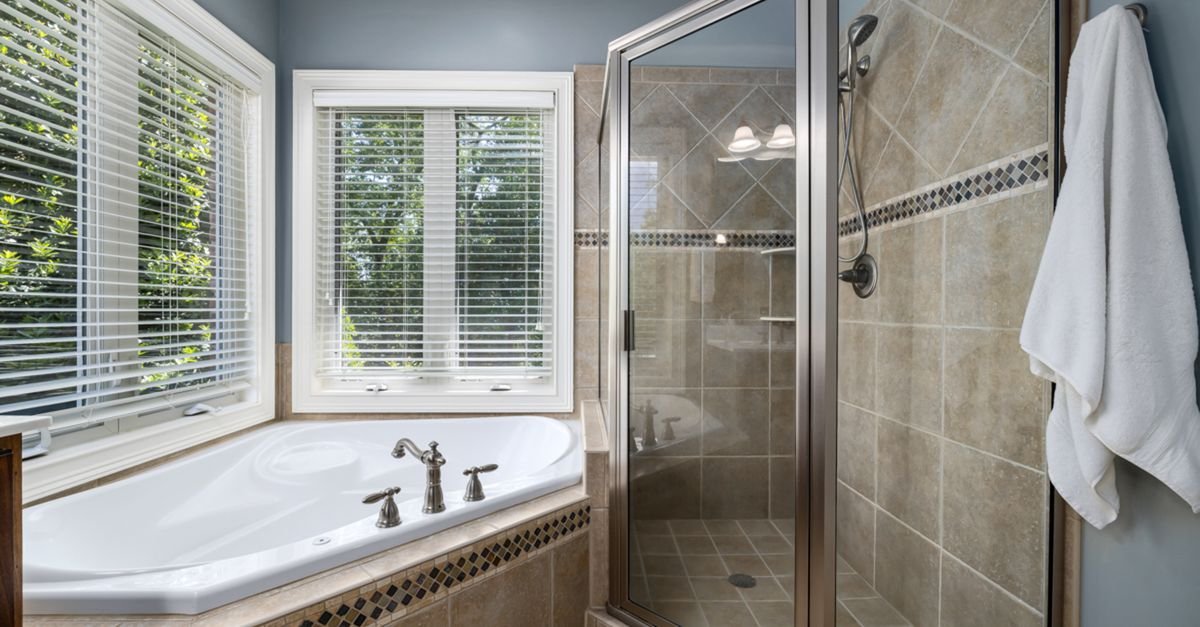
If you’re still weighing the pros and cons of a tub vs. shower, check the Bathtubs vs Shower resale guide for more external data points.
Conclusion
Replacing your tub with a walk-in shower in a small bathroom can improve accessibility and space, but it’s crucial to plan for real cost—$2,200 to $7,500 for most jobs—timeline, and common headaches like unexpected plumbing issues. A little prep now (smart contractor selection, realistic design choices, allowing contingencies) will help you avoid the biggest tub-to-shower conversion small bathroom regrets. Ready to start? Request multiple quotes and don’t be afraid to negotiate the details.
FAQ
Should I keep at least one bathtub for resale?
Yes—if your house has only one tub, consider keeping it for resale value, since many buyers (especially families) expect at least one. If you already have another tub, converting one to a shower is often safe for resale.
Can a tub to shower conversion be done in one day?
Rarely. Only basic, direct-fit acrylic shower kits can sometimes be finished in one day, and even then, it’s usually 3–5 days after accounting for demo, plumbing, and inspection. Most tile or custom jobs take longer.
How much should I realistically budget for a small tub to shower conversion?
Most projects fall in the $2,200–$7,500 range in 2024, but set aside a 10–15% contingency to cover hidden plumbing or waterproofing surprises.
Which accessibility features are essential for seniors?
Look for grab bars, a low threshold or curbless base, a fold-down bench, non-slip flooring, and a handheld shower head. These features fit typical cost bands but may add $500–$2,000 and one to two days for proper installation.
What’s the fastest way to maximize space in a small shower conversion?
Use neo-angle or corner pans, skip swinging glass doors for fixed or sliding panels, and choose large acrylic wall panels (minimal grout) to open up the space visually and reduce cleaning needs.

[…] you want to skip code hassles but still improve accessibility, explore a tub-to-shower conversion that keeps plumbing in […]