

AI air purifier models promise smarter, low-effort indoor air quality for urban homes, but separating real innovation from marketing hype is key to getting true value, reliability, and performance. Here’s how to choose the right model for your health and wallet—with zero tech mystique.
Key Takeaways
- Many “AI air purifier” models use simple sensor-based automation—real adaptive learning is still rare but growing.
- Buy based on proven sensor accuracy, HEPA/filter costs, and app reliability—not “AI” branding alone.
- Long-term costs (filters, maintenance, electricity) almost always outpace the benefit of premium app or “AI” features.
- Why “AI” matters — and where it’s mostly marketing
- Market snapshot — demand, growth and regional trends
- How AI auto mode algorithms actually control fan speed (vs. standard models)
- How reliable are real‑time air quality readings? (what tests and experts say)
- Top user complaints — what buyers most often report about smart/auto models
- Three under‑covered but buyer‑critical topics (deep dive)
- Pricing and running costs — realistic expectations
- How to test a model in-store or during the trial period (practical checklist)
- Short buying guide — match the right features to common user needs
- Quick FAQ / mythbusters (short, actionable bullets)
- Conclusion — recommended shortlist criteria and next steps
Why “AI” matters — and where it’s mostly marketing
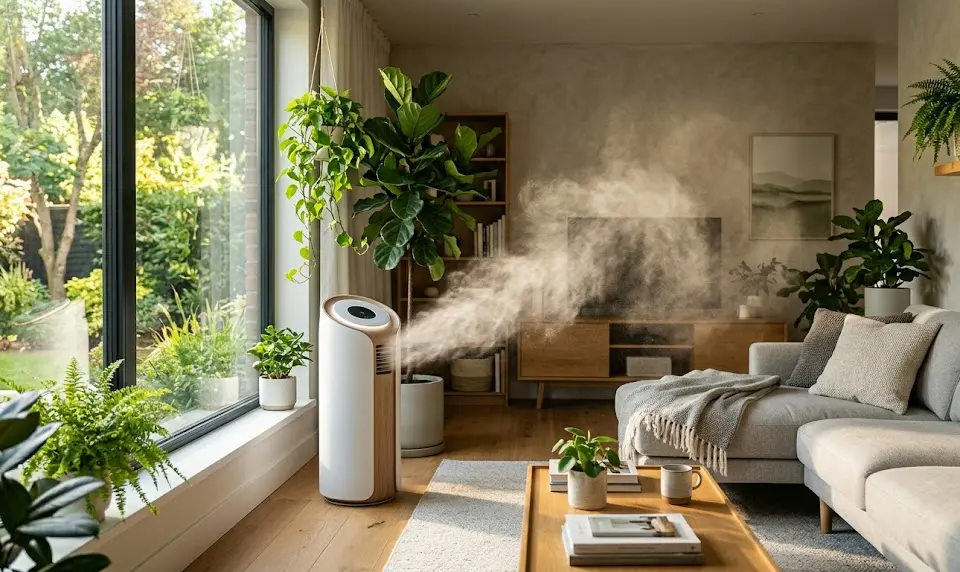
The idea of an “AI air purifier” sounds revolutionary, but most current smart air purifier models deliver only incremental advances over classic sensor-based automation. True AI—meaning dynamic, machine-learning controls that adapt to patterns in your home—is rare on shelves. What’s typical? Slightly smarter threshold logic, sometimes with multiple sensors and better app feedback. The market for AI air purifier units is real, topping USD 1.924 billion in 2024, but in practice, “AI” branding usually signals enhanced automation—not a technical leap. Most “AI” products respond to air quality using algorithmic tweaks, not predictive intelligence. Buy for what works, not for marketing buzzwords like “machine learning” or “smart home automation” unless your model details how its AI improves outcomes.
Market snapshot — demand, growth and regional trends
The AI air purifier market is booming: valued at USD 1.924 billion globally in 2024, it’s projected to hit USD 3.519 billion by 2032, with a 9.4% CAGR (Compounded Annual Growth Rate). Some forecasts trend even higher, with 12.8% CAGR through 2030. The main growth is in Asia-Pacific—almost half of shipments come from that region, followed by North America and Europe. This demand justifies investment, but it also means the market is packed with brands competing on fancy features (not all of which provide lasting value). Smart air purifier ownership is increasingly common for families, allergy sufferers, and remote workers—context that drives product choice beyond “AI” alone. For buyers interested in home improvement technology, see additional buying guides on air purifier table designs and mini air purifiers for smaller rooms.
How AI auto mode algorithms actually control fan speed (vs. standard models)
Most auto mode air purifier models use preset rules: when particles or gases hit a set threshold, the fan kicks up—then returns to low when readings drop (with some buffer to reduce oscillation, known as hysteresis). These work, but are slow to respond to sudden events or recurring problems. AI air purifier models may raise the game with patterns, learning how and when rooms get contaminated (like at dinner or rush hour). The best can do multi-sensor fusion across PM (particulate), VOC (gas), humidity, temperature, and occupancy, resulting in smoother transitions and fewer noise spikes. Predictive scheduling can boost cleaning preemptively if learning suggests a routine pollutant event is coming. But beware: “AI” in many products is just a fancier form of standard auto mode. Always check for evidence of truly adaptive or predictive adjustments—often, real-time air quality purifier responses are still based on sensor thresholds, not full-blown learning.
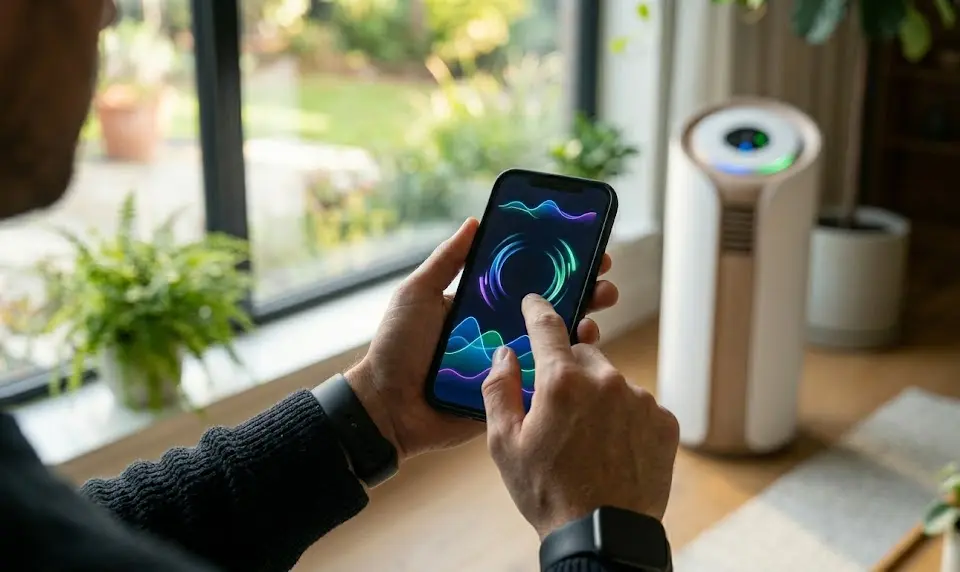
Bottom line: Check how responsive the auto mode is, and don’t take “AI” at face value. Document any strange delays or oversensitive reactions (like noise spikes for harmless odors or slow reset after an event).
How reliable are real‑time air quality readings? (what tests and experts say)
Air purifier with air quality sensor features are a great upgrade, but understand the limits. Most home units use optical PM sensors (good for trends in particle pollution like smoke or dust). These are reliable for showing relative air changes, but not laboratory-grade by any standard. VOC/odor sensors are much less precise—humidity, cooking, and harmless aerosols can throw off readings. Plus, sensor accuracy drifts over time, especially if dust or moisture accumulates inside the sensor housing. Calibration matters, but even the best sensors should be viewed as “directionally useful” rather than strictly accurate. Expert reviews echo this: smart air purifier data helps automate routine cleaning, but don’t trust numerical readings as gospel. Placement is key; units placed near kitchen doors or HVAC vents may show rapid fluctuations or false positives.
Top user complaints — what buyers most often report about smart/auto models
Based on reviews and lab testing discussions, the main gripes with auto mode air purifier and smart air purifier models include:
- Slow auto reaction to sudden events (like frying, burning, or odor bursts)
- Sensor “hunting” (oscillating fan speeds, inconsistent readings)
- False positives (reacting to harmless scents, cleaning sprays, or dust bursts)
- Unexpected noise spikes when auto mode rapidly climbs the speed curve
- App or Wi-Fi connection failures—especially after a router reset
- High maintenance needs—sensors requiring manual cleaning, frequent or confusing filter-change reminders
- Sensitivity to placement—near the floor, HVAC, or kitchen, readings can vary wildly
For a deeper dive into recurrent issues, check our mini air purifier guide for insights on sensor-oscillation and practical workarounds in compact models.
Three under‑covered but buyer‑critical topics (deep dive)
1. Sensor calibration, drift and placement sensitivity
Even a premium AI HEPA purifier loses value if the air quality sensor isn’t maintained properly. Calibration drifts over time, especially in dusty cities or high-humidity homes. Always check whether the model allows periodic user calibration or requires professional service. Test placement in several spots—near airflow sources or corners may skew readings.
2. Smart home integration and privacy
Integration works best with strong platform support: Alexa, Google, Apple, Matter, and Home Assistant should be listed, not just “smart compatible.” Test privacy settings (what cloud data is sent, whether air quality readings are stored). Many brands leave integration thin or data-sharing vague. For more on connecting compatible products, see this guide on smart home tech.
3. Lifetime ownership costs: filters, electricity, subscriptions
Top competitor pages gloss over replacement HEPA prices—which can exceed USD 75–150 per set. Typical replacement is every 6–12 months of city use, but actual life depends on local pollution. App features rarely need subscriptions, but some cloud analytics/models require them. Over 3–5 years, filter costs nearly always outpace the up-front “smart” feature spend. When comparing models, always include expected filter, electricity, and occasional sensor maintenance in your price analysis.
Pricing and running costs — realistic expectations
The market spans affordable app controlled air purifier units (USD 150–300 for budget/mid-range, 300–700 for mid-to-premium, and 700+ for high-end, large-room, or designer models). Most consumer AI HEPA purifier models require filter changes every 6–12 months. Annual filter cost often runs USD 80–250 depending on model and filter stack. Electricity costs are modest if you use auto mode, but expect higher usage if running on high speed all day. Subscription fees are rare—in most brands, smart and “AI” functions are included. Higher-end models tend to charge more for filter packs. If app control and remote alerts are critical for your workflow, this may justify a slight premium, but prioritize value on sensor quality and total cost of ownership, not “AI”-specific features. For further cost-cutting strategies, see this home project guide.
How to test a model in-store or during the trial period (practical checklist)
- Trigger a pollution event: Use incense or cooking smoke and see how fast the auto mode reacts (should be within 30–90 seconds; “AI” models may preempt if pre-trained).
- Test stability: Move the air purifier with air quality sensor to a new location and see if readings adjust in a realistic pattern or wildly swing.
- Check app setup: Pair to your Wi-Fi, try voice commands with Alexa/Google, and change fan speed via app. Any lag or setup hiccups now will only get worse after purchase.
- Listen for noise: Boost to max speed indoors to test “worst case” noise exposure.
- Verify filter price and availability: Ask staff or check brand site for replacements—never skip this question.
- Double-check warranty: Make sure sensor and electronics are covered at least one year, ideally two.
These trial steps mirror top complaint patterns seen in user reviews. If you notice delays, poor sensor recovery, or app issues, consider another brand. Interested in other hands-on home tech reviews? Explore our guides on living room air solutions and mini purifiers.
Short buying guide — match the right features to common user needs
| User Type | Priority Features | Why It Matters |
|---|---|---|
| Allergy sufferer / families | HEPA, PM2.5 sensor, high CADR rating, reliable auto mode | Consistent pollutant removal and fast auto response to dust/pollen events |
| Apartment cook/urban dweller | Rapid-response auto mode, filter access, VOC handling, app control | Handles kitchen smoke/odors quickly and alerts you to spikes remotely |
| Tech-savvy/smart home | App controlled air purifier, Alexa/Google/Matter integration, privacy settings | Seamless home automation and peace of mind with clear data practices |
| Budget buyer | Basic HEPA, essential real time air quality sensor, proven reliability | Get the job done without overpaying for hype or untested “AI” automation |
Remember: Many “AI air purifier” models simply offer adaptive scheduling and fancier interfaces, not necessarily better filtration or sensors. Always choose for sensor reliability, room-size coverage (CADR rating), and review-proven responsiveness over mere branding.

Quick FAQ / mythbusters (short, actionable bullets)
Does “AI” always mean better air purification?
No. Many AI air purifier models rely on upgraded auto modes using sensor tweaks, not true adaptive intelligence. Always check what the AI actually controls.
Do you need a subscription for smart or AI air purifier features?
Rarely. Most AI and app-controlled models include all features outside the box, but some analytics platforms may have extra fees.
Are air quality sensor readings accurate enough for health decisions?
Sensors are directionally useful—good for trends, not medical diagnostics. Readings are not laboratory precise.
How often will I really need to change filters on an AI HEPA purifier?
Usually every 6–12 months, varying with city pollution, usage hours, and model. Always check replacement costs before buying.
What’s the current size of the AI air purifier market?
The market reached USD 1.924 billion in 2024, with strong growth projected—especially in Asia-Pacific regions (Intel Market Research).
Conclusion — recommended shortlist criteria and next steps
To choose the right AI HEPA purifier or auto mode air purifier, use this five-point checklist:
- Sensor type and quality—prioritize PM2.5 for reliability
- CADR rating for your room size
- Real (not just branded) AI features—look for evidence of predictive or adaptive learning
- Total cost of ownership—account for filter, electricity, and occasional maintenance, not just up-front price
- Smart-home compatibility and privacy controls
Before you buy, always test a demo or use your trial period well: create pollution events, check app behavior, confirm replacement filter costs, and ask about warranty. Most importantly, focus on what makes a concrete air quality difference for your actual space—marketing buzzwords like “AI air purifier” are only meaningful if matched by proven sensor response and fair long-term costs. Start your search today and make your home’s air truly smarter.
—