
Moody bathroom design is trending with design-forward homeowners for its rich atmosphere and bold style, but getting it right takes more than just picking a dark paint color. Here’s your practical, mistake-proof guide to building a dramatic, cozy space that looks elevated—without hidden costs or maintenance regrets.
Key Takeaways
- Moody bathroom remodels add complexity and costs, especially for finishes, lighting, and upkeep—budget +10–20% over standard remodels.
- The most common regrets? Water spots on dark tiles, underlit vanities, and hard-to-sell ultra-niche looks.
- Smart finish, lighting, and storage choices keep a cozy dark bathroom dramatic but still practical—and protect your investment.
- What Makes a Moody Bathroom? Defining the Look and Why It’s Trending
- Step-by-Step: How to Design a Moody Bathroom Without Regrets
- Common Pitfalls, Regrets, and How to Avoid Them
- Conclusion
- FAQ
What Makes a Moody Bathroom? Defining the Look and Why It’s Trending
A moody bathroom pairs depth—think dark tile, rich paint, warm woods—with cozy atmosphere and tactile finishes. The effect? Dramatic, retreat-like spaces that feel personalized and inviting, not stark or cold. According to the 2024 Houzz Trends study, about 14% of homeowners embraced moody, dark-painted, wallpapered, or statement fixture bathrooms last year.
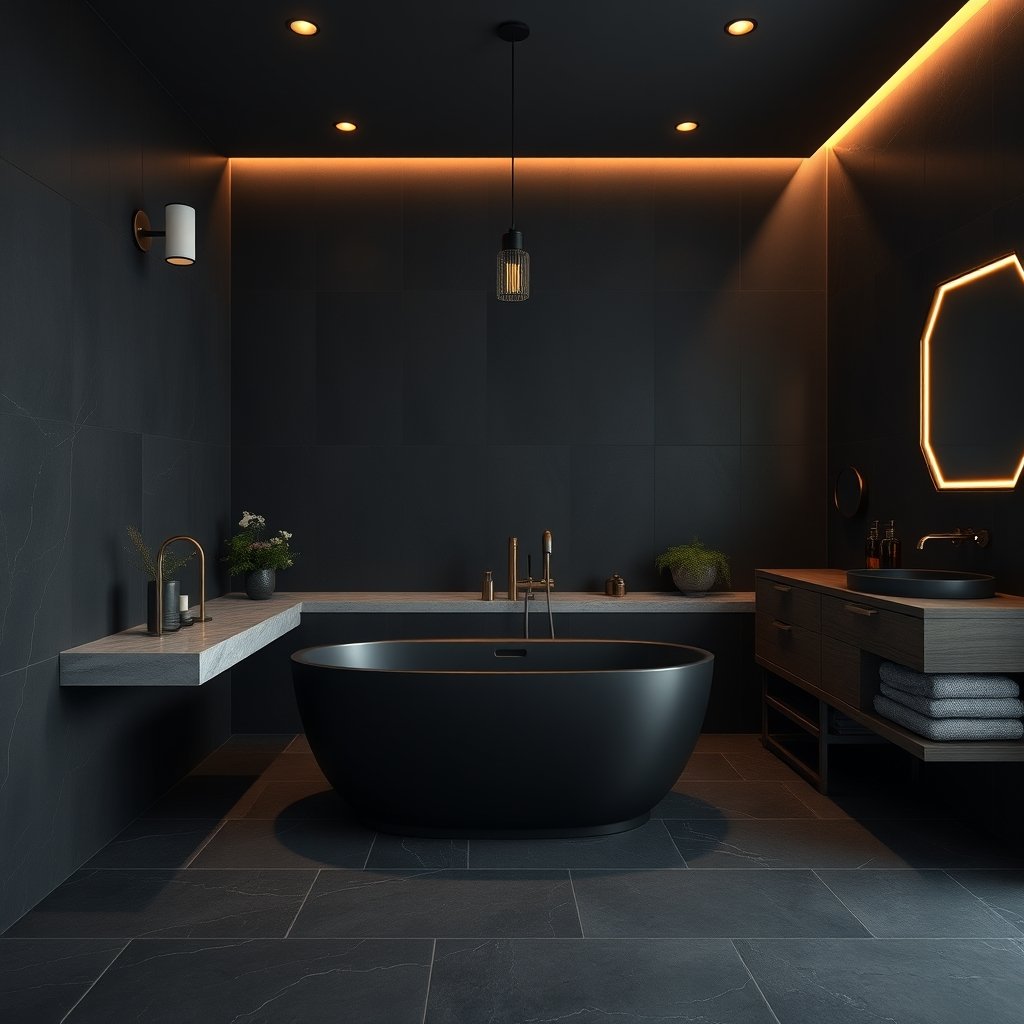
Well-executed moody bathroom ideas combine three key elements:
- Layered Mood: Black matte, espresso, dark green, or navy paired with soft textures, brushed metals, and wood for warmth.
- Lighting: Multiple fixtures and variable color temperature (lighting mistakes are a top regret).
- Finishes: Matte or textured surfaces to hide water spots; smart grout and metal choices for easy maintenance.
Why are homeowners choosing moody bathrooms now? Traditional white-and-gray baths often feel flat or generic. A moody approach offers more character and a spa-like escape—so long as you plan for resale and daily upkeep.
If you’re inspired but want a maintenance-safe route, check our full gallery of cozy, dramatic examples with step-by-step fixes.
Step-by-Step: How to Design a Moody Bathroom Without Regrets
Use this practical, research-backed sequence to build your moody bathroom the right way—balancing atmosphere, budget, and value.
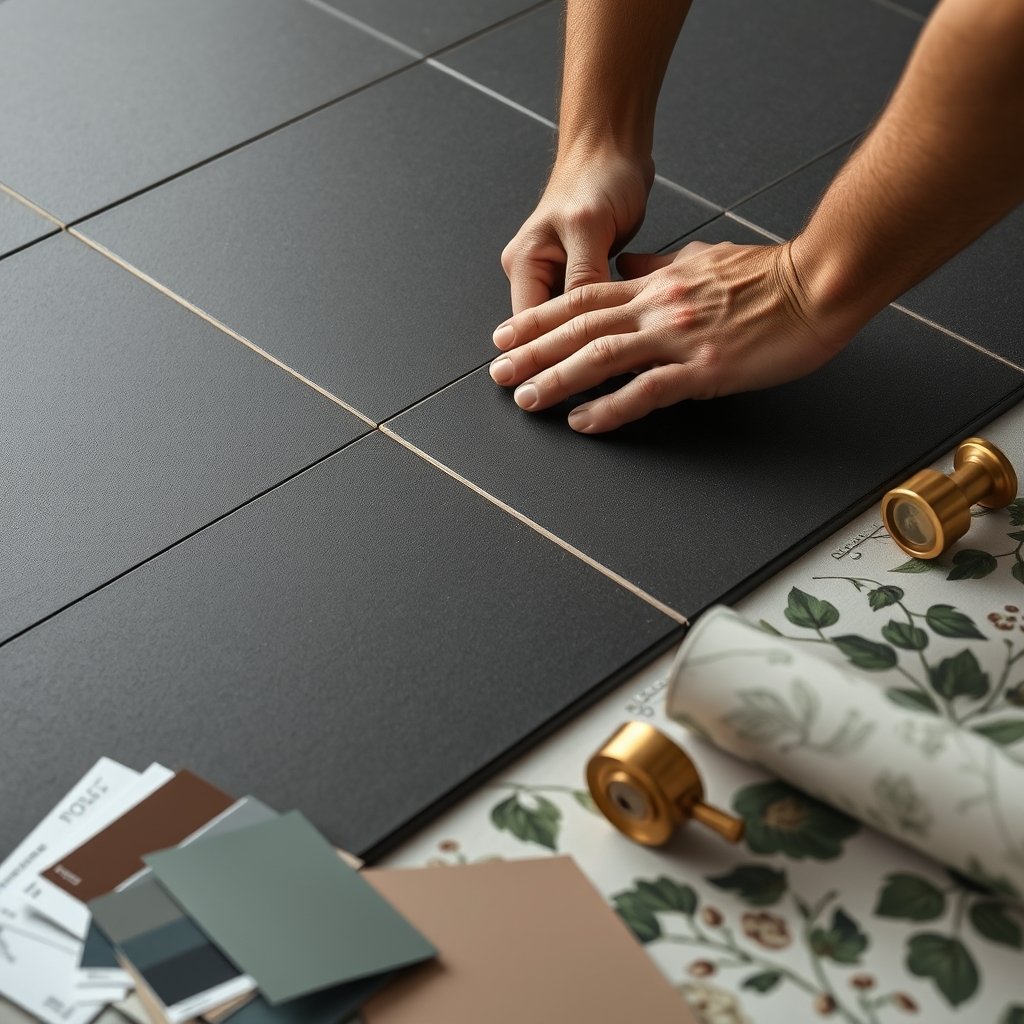
- Start with a Mood Board.
- Select 1 or 2 inspiration images that capture the feeling—like moody vintage bathroom elegance or modern dark spa retreat.
- Use real material swatches: paint chips, tile samples, finishes, textures.
- Choose Finish Combinations.
- Pair matte black, soft brass, or brushed nickel hardware with textured tile and wood accents.
- For moody bathroom paint colors: look for warm charcoals, espresso brown, olive green, or deep navy brands (Benjamin Moore, Sherwin Williams).
- Get Real About Maintenance.
- Select matte or textured surfaces; avoid high-gloss black fixtures—they show spots (top regret among 2024 renovators).
- For grout, dark grout or epoxy formulas cut down cleaning headaches (see this expert advice).
- Map Out Lighting Before You Build.
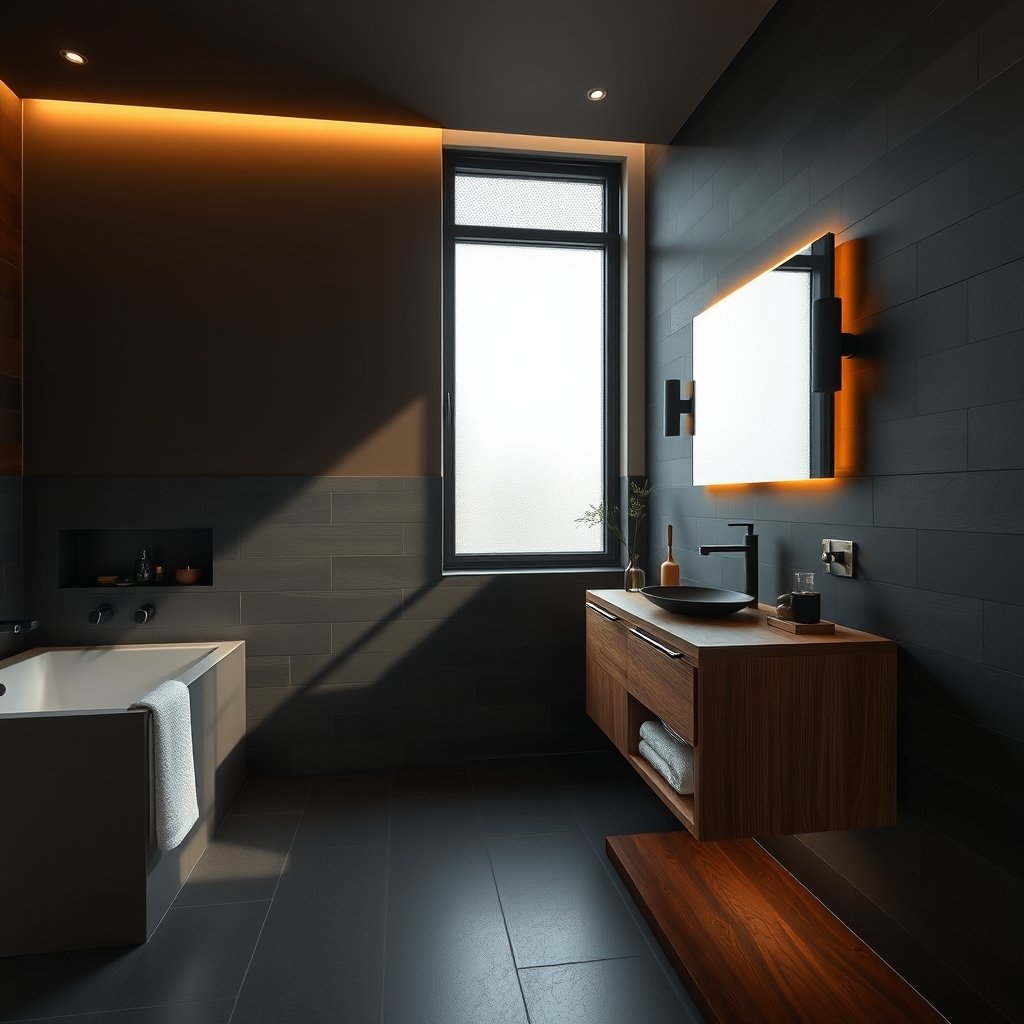
- Integrate three layers: general (recessed or flush-mount ceiling), task (vanity or mirror lights), and accent (wall sconces, strip LEDs behind mirrors).
- Pick dimmable fixtures, 2700–3000K color temp, and 90+ CRI for natural skin tones.
- Budget +10–20% for Moody Upgrades.
- Specialty dark tile, luxury hardware, and custom wallpaper add $3k–$5k to the typical project, pushing costs from $24,000 into the $27–$29k range (60–100 sq ft bath; see industry medians).
- Always include a 10–15% contingency for lighting or waterproofing surprises.
- Prioritize Storage and Usability.
- Include built-in shelves, vanity drawers, and hidden storage—dark spaces look cluttered faster without these fixes.
- Select Resale-Safe Anchors.
- For larger baths, keep flooring and major fixtures (tubs, sinks) neutral or timeless, with mood driven by wall finishes and lighting.
- Source Sustainable Dark Materials.
- Look for low-VOC paints, recycled-content tile, or FSC-certified dark woods. For inspiration, browse eco-friendly wall finishes.
- Test All Material Combos in Real Lighting.
- Arrange your chosen samples in the actual bath at different times of day. Assess for warmth, shadow, and color shift.
- Confirm Install Plan with Your Contractor.
- Ask how they’ll waterproof, handle edge detailing, and install layered lighting—requirements are sometimes higher for moody finishes.
Need budget examples and finish ideas? Our bathroom remodel cost breakdown and price lists help clarify where to splurge and save.
Common Pitfalls, Regrets, and How to Avoid Them
Even the best moody bathroom ideas can backfire without planning. Here’s what industry data and homeowners most often regret, and how to sidestep costly errors.
| Common Regret | Why It Happens | Designer-Fix Solution |
|---|---|---|
| Visible water spots and fingerprints | Glossy black or dark finishes show every drip or touch | Use matte or treated surfaces; pick water-spot-resistant hardware |
| Too-dark shadowy vanities | Insufficient or one-directional lighting | Install horizontal lighting; layer dimmable fixtures; integrate LED mirror lights |
| Clutter and lack of usable storage | Focus went to finishes, not function | Plan shower niches, vanity drawers, wall ledges from the start |
| Overly niche, hard-to-resell look | All finishes/fixtures too dark or trendy | Balance darks with neutrals, metals, or wood; use moody décor for accents |
| High maintenance/daily cleaning required | Unsealed natural stone, light grout, or high-gloss used in splash zones | Opt for sealed materials and dark grouts; limit stone to low-splash areas |
- Lighting Plan Is Everything: Underlit moody bathrooms become an instant regret. Layer your lights and over-spec your vanity zone. You’ll often need more than you think—designers recommend three fixture layers minimum.
- High-Gloss Isn’t Practical: Shiny surfaces amplify water marks, especially on black vanities and faucets. Matte or textured finishes pay for themselves in reduced cleaning time.
- Skip All-Black Hardware Kits: Pure black can feel trend-driven and won’t always age well. Mixed metal or bronze keeps things feeling classic with an edge.
- Storage Still Rules: Dark spaces look cluttered faster. Use built-in shelving, closed vanity drawers, and wall ledges.
- Eco-Materials Can Save You Later: Low-VOC paints and recycled tiles reduce long-term chemical exposure and may help home value.
Get more no-nonsense tips for minimizing daily headaches from our easy bathroom decor and maintenance guide.
Conclusion
A moody bathroom is an investment in daily luxury, dramatic atmosphere, and real property appeal—when done with planning. Budget for extra lighting and specialty finishes, opt for practical surfaces, and balance darks with warmth. The moody bathroom trend isn’t for everyone, but if you apply these proven strategies, you’ll get maximum wow-factor with minimal regret.
Ready to upgrade? Pin, mood-board, and sketch—then check our full gallery of moody bathroom ideas and real-life material picks to kickstart your project.
FAQ
What’s the best way to keep a moody bathroom from feeling too dark?
Layer lighting: ceiling, vanity, and accent fixtures. Add mirrors or metallic accents to bounce illumination, and make use of any natural light. Test your plan by standing in each spot before committing to finishes.
Which finishes are easiest to live with in a dark bathroom?
Matte and textured surfaces hide water marks. Dark grout (epoxy or urethane) won’t show dirt like white grout. Choose hardware in brushed, aged, or mixed finishes instead of pure glossy black.
What’s a realistic cost range for a moody bathroom remodel?
For a 60–100 sq ft bathroom, expect $27,000 to $29,000 for a full moody upgrade. That’s about 10–20% higher than a standard remodel, mostly due to materials and lighting. Always budget a 10–15% buffer for surprise adjustments.
Do moody bathrooms hurt resale?
If everything is ultra dark and niche, it can be harder to sell. Keep flooring, large fixtures, and key surfaces neutral and use paint or wallpaper for the mood—it’s easier to refresh later.
How can I find eco-friendly finishes for a moody bathroom?
Look for low-VOC or mineral-based paints, recycled-content tiles, and responsibly sourced dark woods. Ask vendors for environmental certifications and shop at reputable building centers like Lowe’s Home Improvement or Home Depot.