

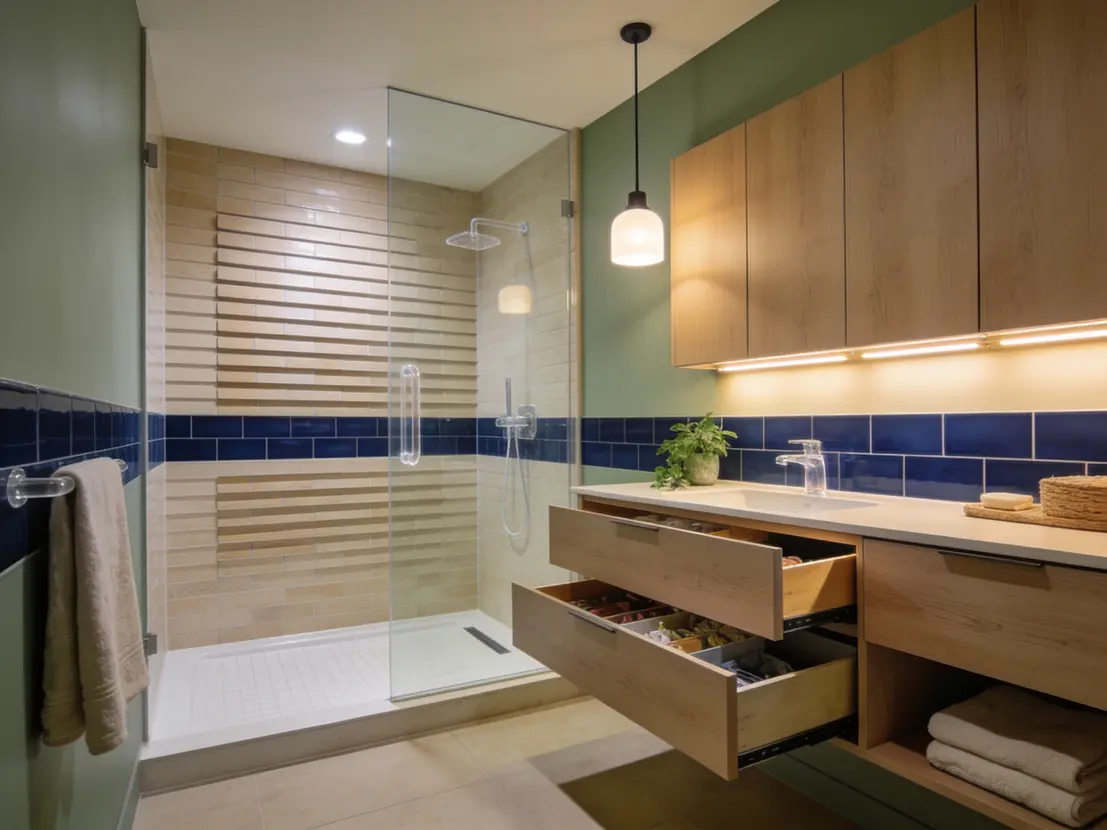
Bathroom inspiration starts with the right visuals and ends with choices you can actually execute in your home—paired palettes, real costs, and clarity about what works (and what fails) for your lifestyle. If you’re hunting for bathroom ideas that do more than look pretty on Pinterest, this guide will move you from “just browsing” to crystal-clear design direction—with modern color pairings, storage-friendly solutions, and sharp budget tips direct from 2026 trend research.
Key Takeaways
- 2026’s top bathroom inspiration comes from nature-driven palettes, organic materials, and layered, spa-inspired decor themes.
- Pair mood-board aesthetics with maintenance, cost, and durability info before committing—critical for small spaces and real-world usage.
- Practical storage and lighting plans dramatically reduce remodel regrets, so always factor in tradeoffs and budget ranges before starting.
- The Core Concept―2026’s Bathroom Inspiration Decoded
- Step-by-Step Guide―From Mood Board to Confident Plan
- Advanced Analysis & Common Pitfalls
- Conclusion
- FAQ
The Core Concept―2026’s Bathroom Inspiration Decoded
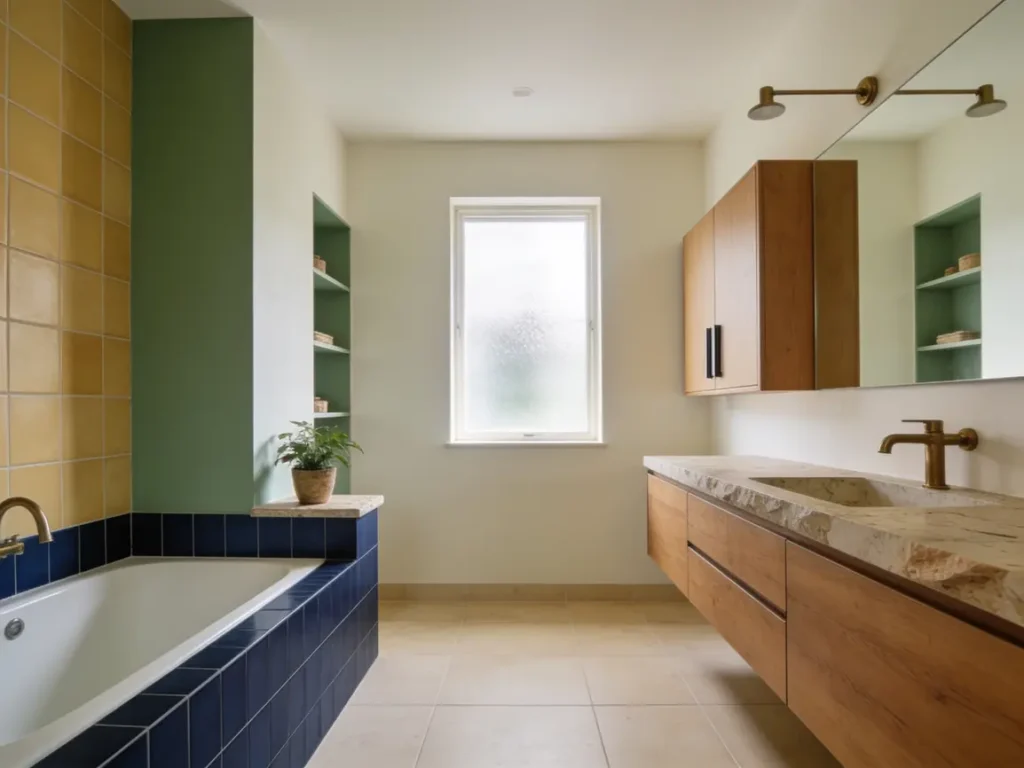
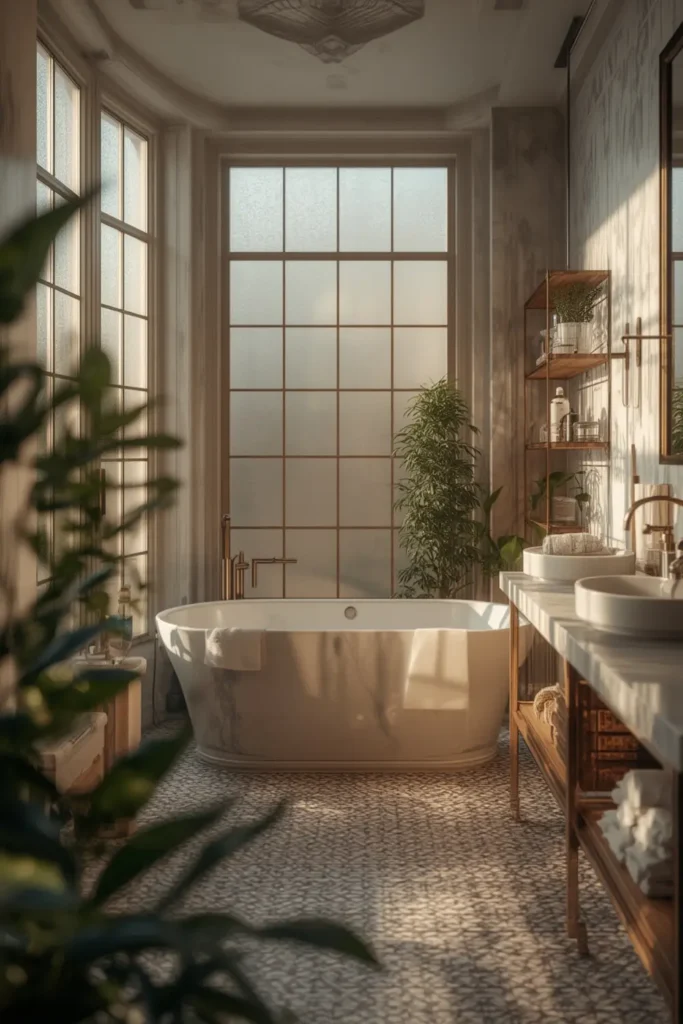
The current wave of bathroom inspiration isn’t just about finding pretty photos. Homeowners see the biggest payoff by pairing color and material mood boards with cost, maintenance, and smart storage right from the start. In 2026, warm, nature-inspired color palettes—like creamy ivory, greige, sand, terracotta, ochre, sage green, and deeper accents like navy or charcoal—lead the pack for timeless style and visual comfort. Designers increasingly mix these hues with organic textures: real wood, stone, tactile tile, and layered lighting. The winning combination is a space that’s easy to use, lasts under real conditions, and looks great even in compact homes [1] [8].
The true value of mood boards now? Clarity and realism. Instead of vague inspiration, these mood boards fuse trending color ideas, tiles, and lighting fixtures with actual materials, price points, and maintenance tips. That’s what moves you from indecision to a rock-solid project brief, ready for a DIY upgrade or a contractor estimate.
Step-by-Step Guide―From Mood Board to Confident Plan
If you want inspiring results and fewer regrets, here’s a direct path from first ideas to a bathroom you love and actually enjoy living in:
- Pick Your Color Palette Guided by 2026 Trends.
- Start with what feels comforting: nature-inspired neutrals and earthy tones endure. Think creamy ivory, clay, sand, muted ochre, sage green, jade, or deep navy for accents. Mix two softs and one deep accent for modern balance.
- Actionable Pick: Try Sherwin-Williams Alabaster for walls and Behr Sage Green on vanities.
- Select Your Decor Theme and Tile Layout.
- Choose from these on-trend themes: Organic Minimalist Spa, Modern Vintage, Terracotta & Clay, Coastal Sage, Deep Jewel Accent, or High-Contrast Statement Tile. Each creates a mood and sets storage and fixture direction.
- Tile sizes and placements matter: vertical stacked for small baths, oversized hex for floor drama, herringbone for walls. Mix gloss and matte for a layered look.
- Map Storage, Lighting, & Hardware—Don’t Treat These as Afterthoughts.
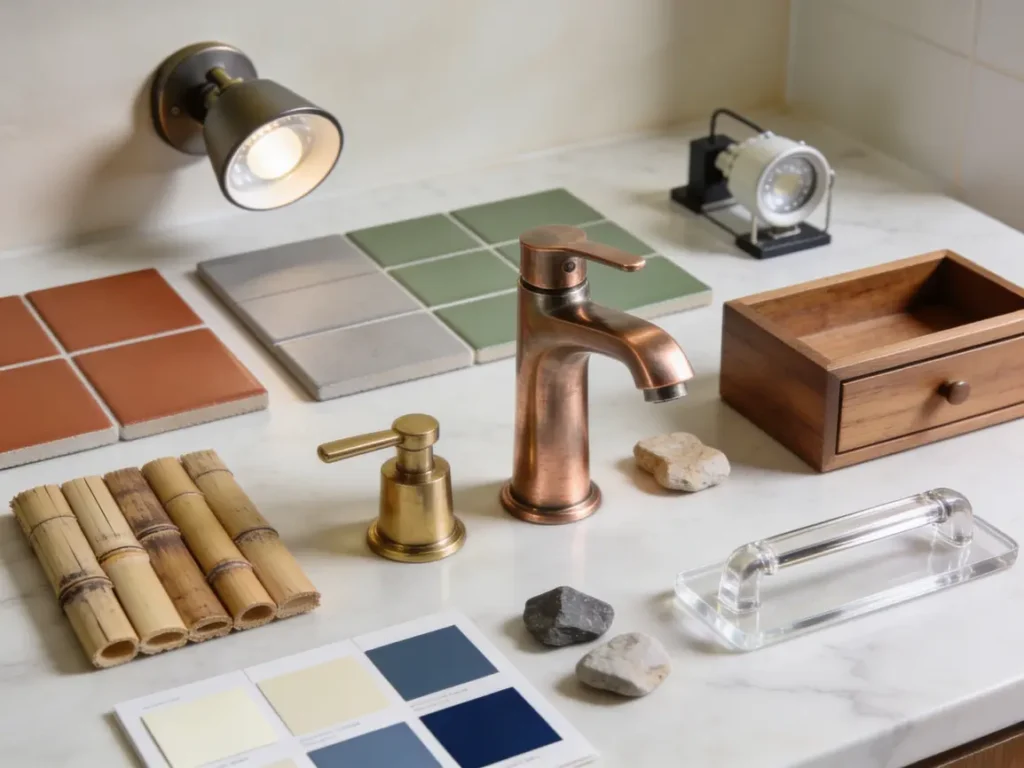
- floating vanities, deep-drawer cabinets, and hidden-outlet charging keep clutter away and layouts open. Lighting layers matter just as much as the palette: ambient + focused task + accent sconces. For hardware, brushed brass or copper adds warmth; lucite and glass keep small spaces airy.
- Include example products with finish names and measurements in your brief.
- Budget Reality Check: Plan Within Your Range.
- Cosmetic revamps usually run $5,000–$15,000. Full renos, new tilework, and custom vanities? Expect $15,000–$35,000 or more [4].
- Allocate at least 15% for “must-have” extras: heated floors, paint upgrades, shower glass, or custom organization inserts.
- Pro tip: The best ROI comes from refreshes with good storage—not chasing every trending finish.
- Pair Each Visual With a Note on Maintenance & Durability.
- Love that handmade tile? Check if it needs weekly sealing or deep cleaning. Choosing wood? Opt for moisture-resistant species and confirm required finishes. Owning the downsides now prevents future regret.
More tips for small, guest bathroom upgrades.
- Integrate Storage and Lighting Layers Into Your Mood Board.
- Don’t just pick tile and paint: create mini visual boards for drawer organization, mirror + sconce placement, and even charging outlets.
- For small bathroom inspiration, see half-bathroom decor template layouts.
- Write Your Project Brief (10-Item Checklist):
- Include color specs, tile size/layout, material/fixture SKUs, major dimensions, lighting specs, must-have storage, budget bracket, and preferred finish samples—so your contractor or supplier knows exactly what you want.
Advanced Analysis & Common Pitfalls
Going from bathroom inspiration to a finished, frustration-free space takes more than copying a photo. Here’s what trend data and homeowner feedback reveal about mistakes and missteps to watch out for:
- Tile Selection Regrets: Too-small or high-pattern tiles make small spaces busy or dated. Large-scale tile layouts visually expand space and cut grout cleaning—but cost and material waste rise. Overly trendy shapes/finishes may feel dated fast.
- Poor Lighting Layers: Skimping on layered lighting results in dim grooming zones or harsh shadows. Always plan for dedicated task lights at mirrors, not just a central fixture. Consider dimmable, 2700-3500K LED for the best balance.
- Lack of Functional Storage: Open shelving is trendy for displays but leads to visual clutter and dust. Deep drawers, vertical cabinets, and hidden-outlet zones solve daily storage needs and reduce countertop mess. Modular storage solutions are an easy upgrade if your layout is tight—learn more at our modular storage guide.
- Finishes That Don’t Withstand Moisture: Cheap laminates and thin veneer cabinetry warp or peel. Uncoated brass, wood, or matte black fixtures lose finish quickly under daily humidity. Use sealed solid woods, contemporary performance fabrics, or professional-grade paint [see performance fabric guide].
- Costs That Spiral Past Budget: Changing scope mid-project is common once tile or plumbing gets exposed—always keep a 15% buffer and vet every upgrade (like heated flooring) up front so you’re not forced into rushed spends.
| Mistake | How To Avoid | Quick Fix |
|---|---|---|
| Picking tile size/finish before confirming room dimensions and lighting | Lay out physical tile boards in the space and test under real lighting | Order one box of tile before full purchase; install a mockup board |
| Underestimating storage needs in small bathrooms | Choose vanities with deep drawers and closed storage; use wall height | Retrofit pull-out trays or modular stackable bins after install |
| Sourcing all-metal or wood finishes that aren’t moisture-rated | Confirm all hardware/wood/paint are specifically formulated for wet areas | Seal and re-coat annually, or replace with performance-rated options |
| Budgeting by Pinterest, not by quote | Get line-item quotes for each finish and fixture on your list | Have backup options if costs escalate—prioritize function over trend |
Conclusion
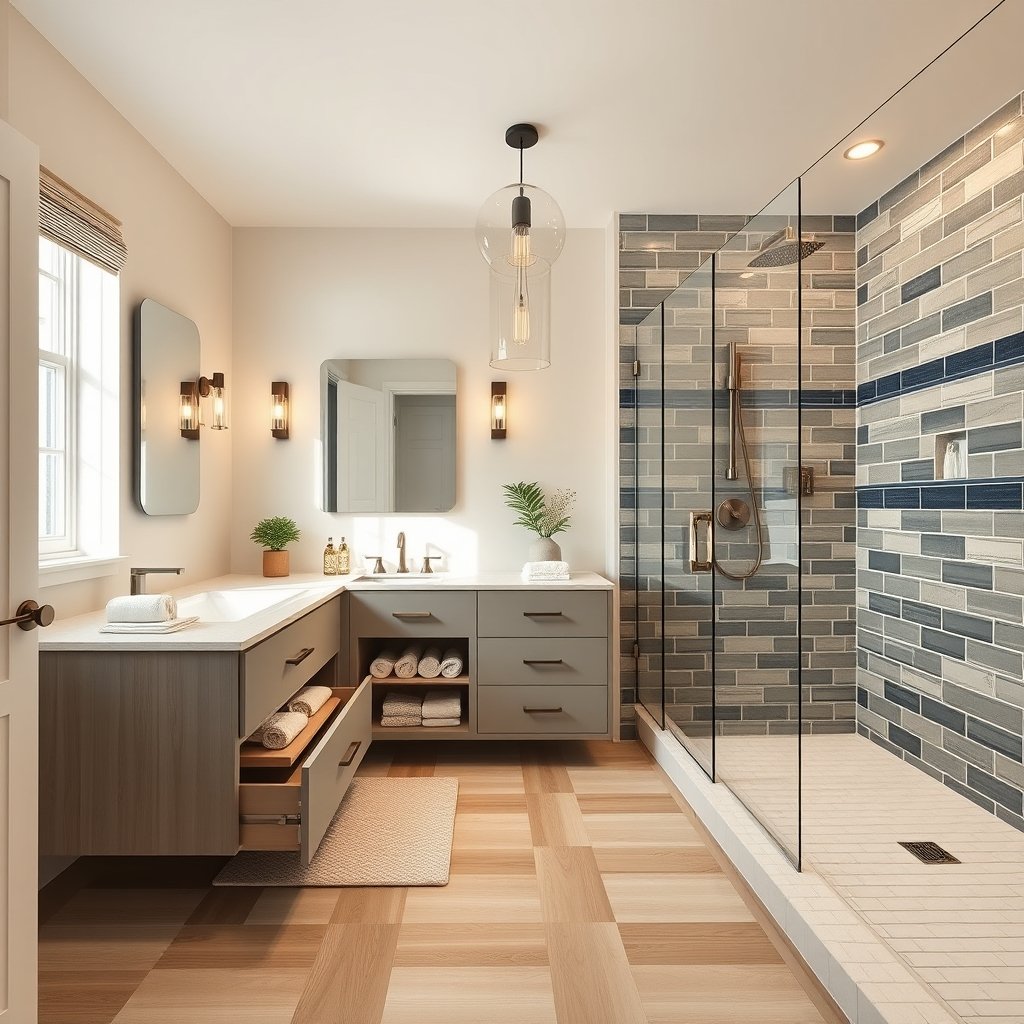
The best bathroom inspiration for 2026 isn’t just about visuals—it’s making sure your color, tile, lighting, and storage choices fit your actual space, budget, and expectations. Real-world mood boards blend trends with practical specs: budget, materials, and layouts that last. Before you book a contractor or buy a single tile, translate your bathroom inspiration into a clear, referenced project brief. Start your mood board today—then revisit top-rated sources for more execution details, like our local bathroom renovation guide or these affordable home improvement project ideas.
FAQ
What’s the easiest way to find my bathroom color palette in 2026?
Focus on nature-inspired neutrals like creamy ivory, greige, sage, or sand for your main color. Then add a single contrasting accent (like navy or clay). Test samples in your space at several times of day for true color effects [7].
How do I maximize storage in a small bathroom?
Opt for floating vanities with deep drawers and add hidden outlets inside for grooming tools. Wall-mounted ledges and hooks add storage without closing in the room. Try interior storage trays or modular shelves for retrofit solutions. See our modular storage solutions guide for more tips.
What’s the average cost for a bathroom remodel in 2026?
Cosmetic updates usually fall between $5,000 and $15,000. Full remodels with tile or layout changes range from $15,000 to $35,000 or more depending on the finishes and custom work chosen [4].
What lighting works best for both daily use and photography?
Layered lighting gives you functional brightness at the mirror and soft, adjustable light for daily comfort. Use a mix of sconces, dimmable ceiling fixtures, and accent lights. Choose warm metal finishes for cozy palettes, and always include task lights at the vanity.
What are common mistakes I should avoid during my remodel?
Rushing tile choices without considering room size and lighting, underestimating real storage needs, skipping layered lighting, and choosing finishes that aren’t durable or moisture-rated. Always build your full material list, test products, and keep a budget overage buffer.

- Premium Material:The drawer organizer is made of non-toxic plastic which may be safely used. The transparent design make…
- 4 Combinations of Different Sizes: A set of cabinet organizer includes 25 storage bins of 4 different sizes. Includes: 9…
- Long Lasting and Non-Slip: The plastic is robust and long lasting. The bottom of the storage organizers has a non-slip d…
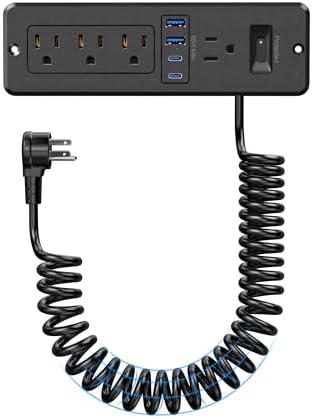
- ✅65W PD USB-C Drawer Outlet Kit: USB-C Max 65W,USB-A Max36W. Desk outlet with USB ports can rapidly charge your high-dem…
- ✅8-in-1 GaN 65W Fast Charging Station: Featured 4 AC outlets, 4 USB ports (2 USB-C+2 USB-A) sharing 65W of power, an pow…
- ✅Furniture Hidden Power Strip: Desk hole cut size: L 6.9″ * W 2.2″, transforming your workspace into an organized chargi…
[…] looking for visual inspiration? Check out small bathroom inspiration and guest bathroom ideas for modern layout examples you can […]
[…] Want your project to be beautiful, safe, and stress-free? Download your manufacturer’s mounting guides, speak with a pro installer, and check out sources specializing in coordinated accessories for a result you—and guests—will appreciate for years to come. For more inspiration on refining your bathroom, explore other guides on vintage bathroom style and modern bathroom inspiration. […]
[…] materials so you see what works in tight spaces. Tip: Internal link for more inspiration—check bathroom inspiration for mood boards and […]
[…] Tradeoffs to consider: Narrower tubs (28–30” wide) save space but limit soaking room. Shallow options (14–15” deep) are easier to step into and clean, but not for long-soak lovers. For more alcove tub ideas and inspirational transformations, browse our bathroom inspiration collection. […]